







Enamel Cast Iron Kadai
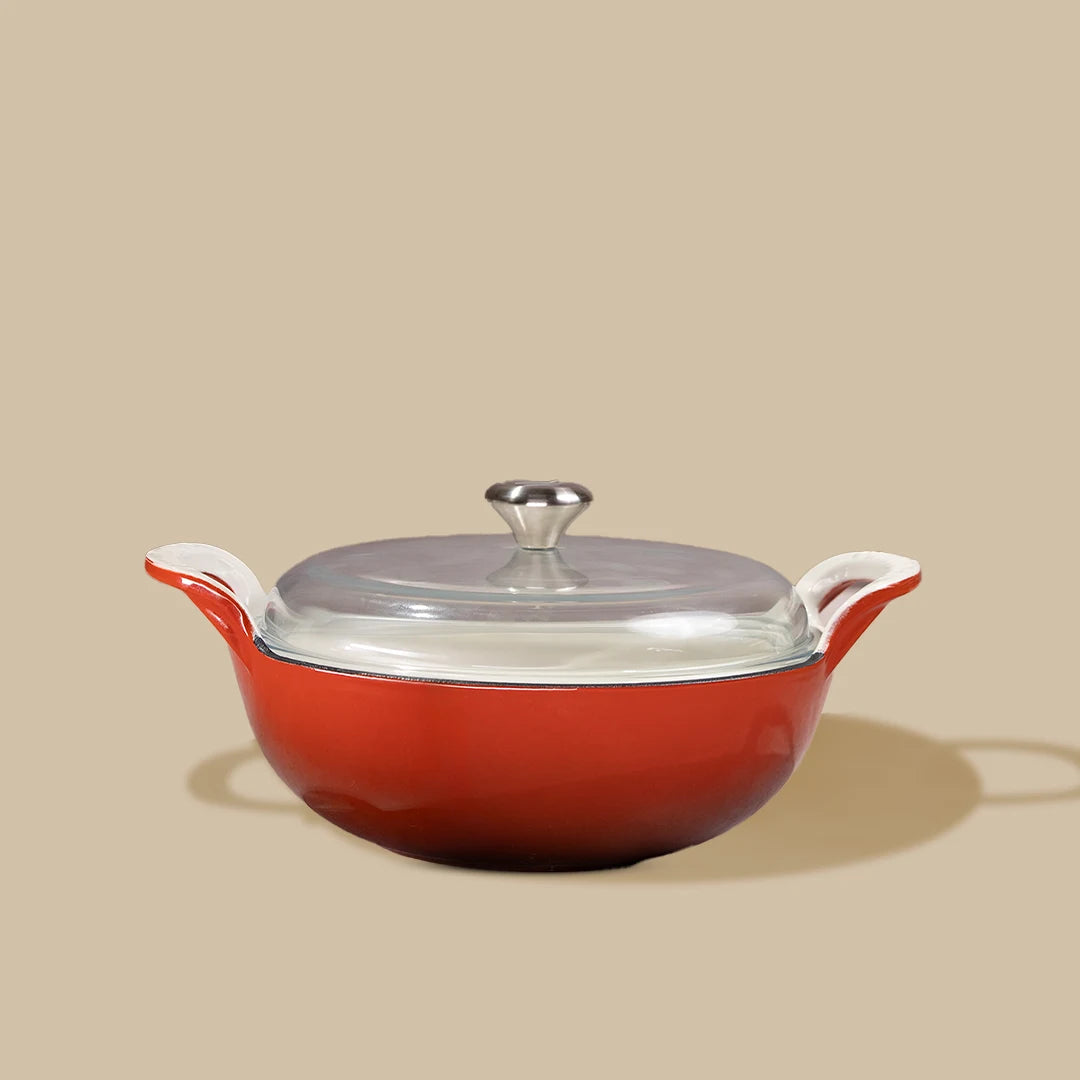
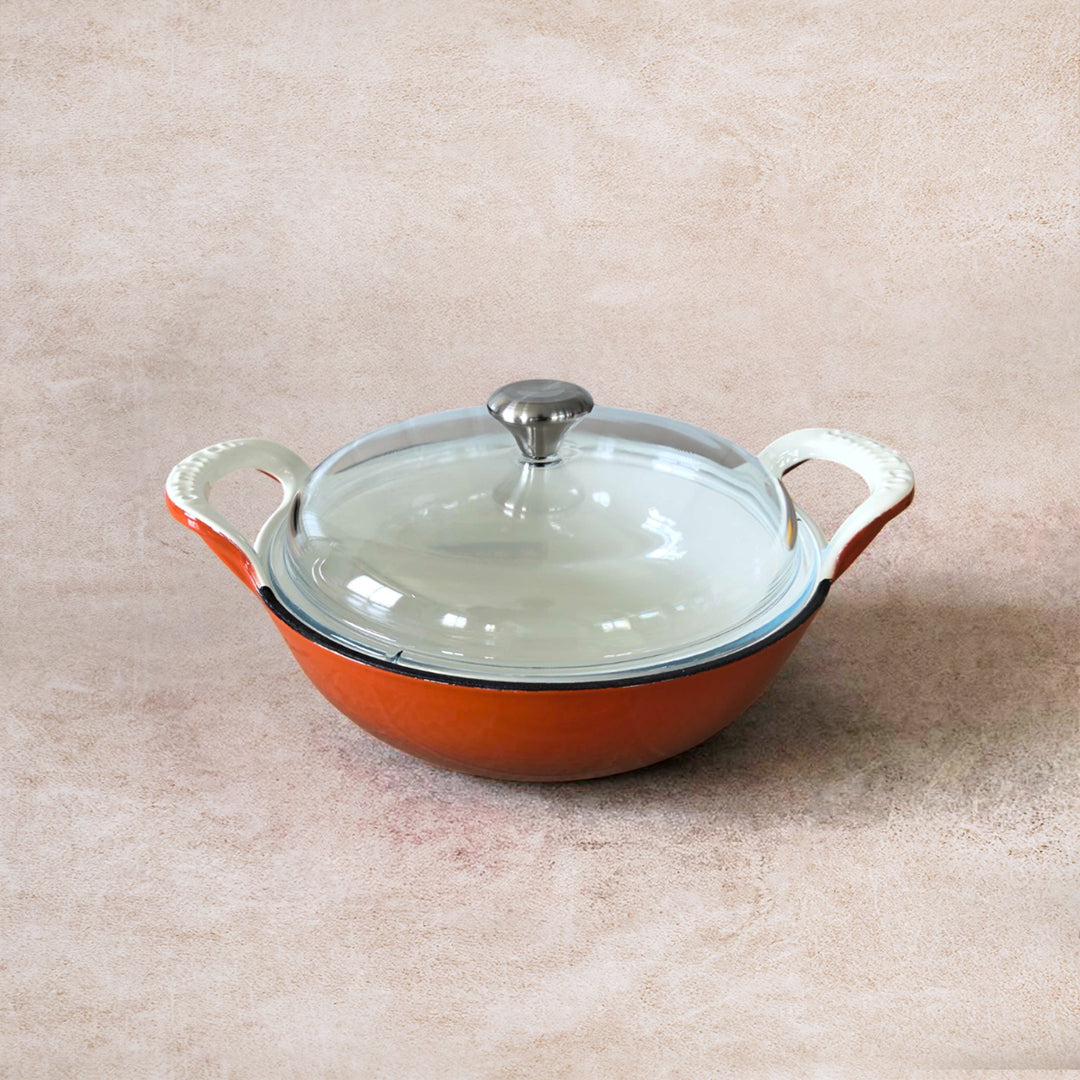

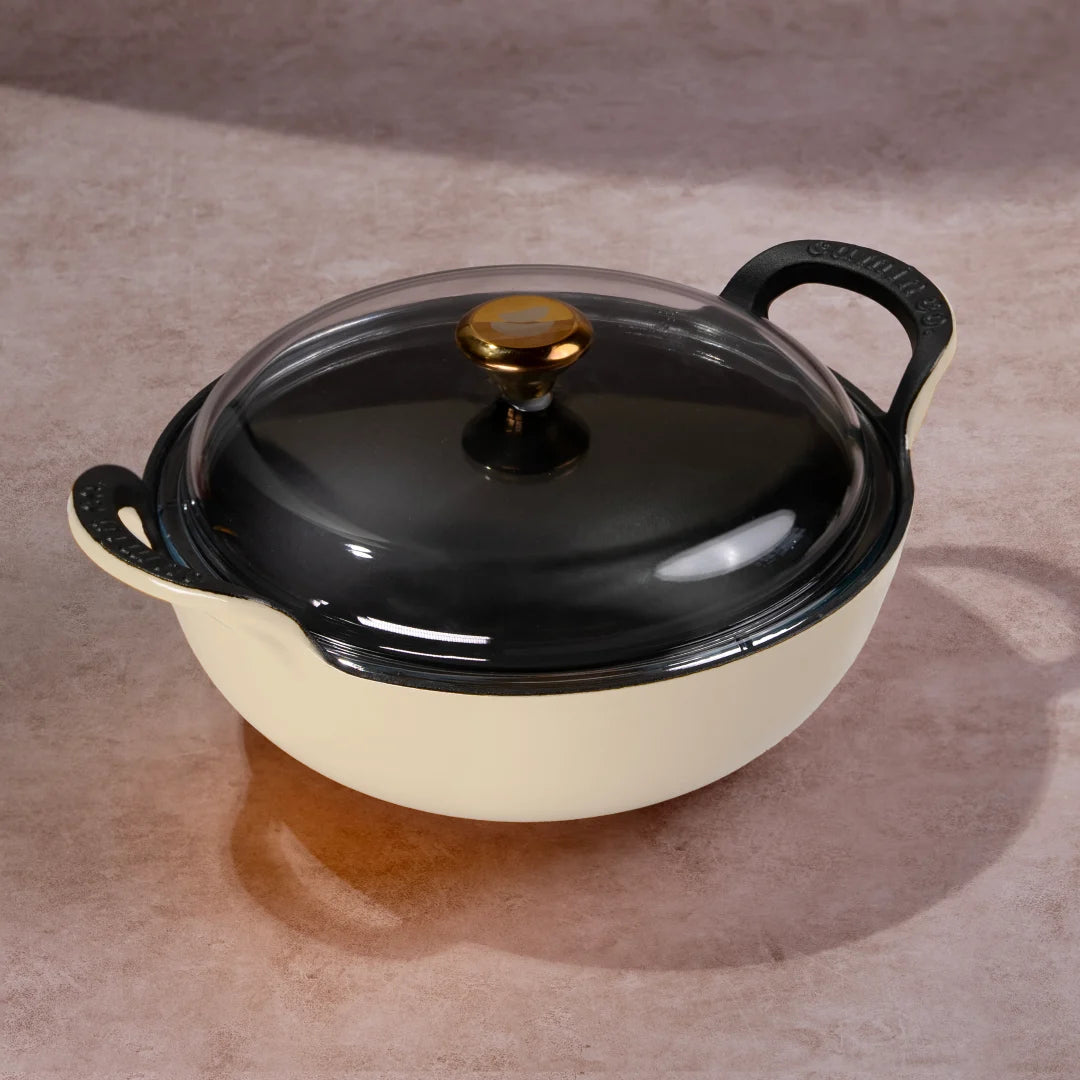

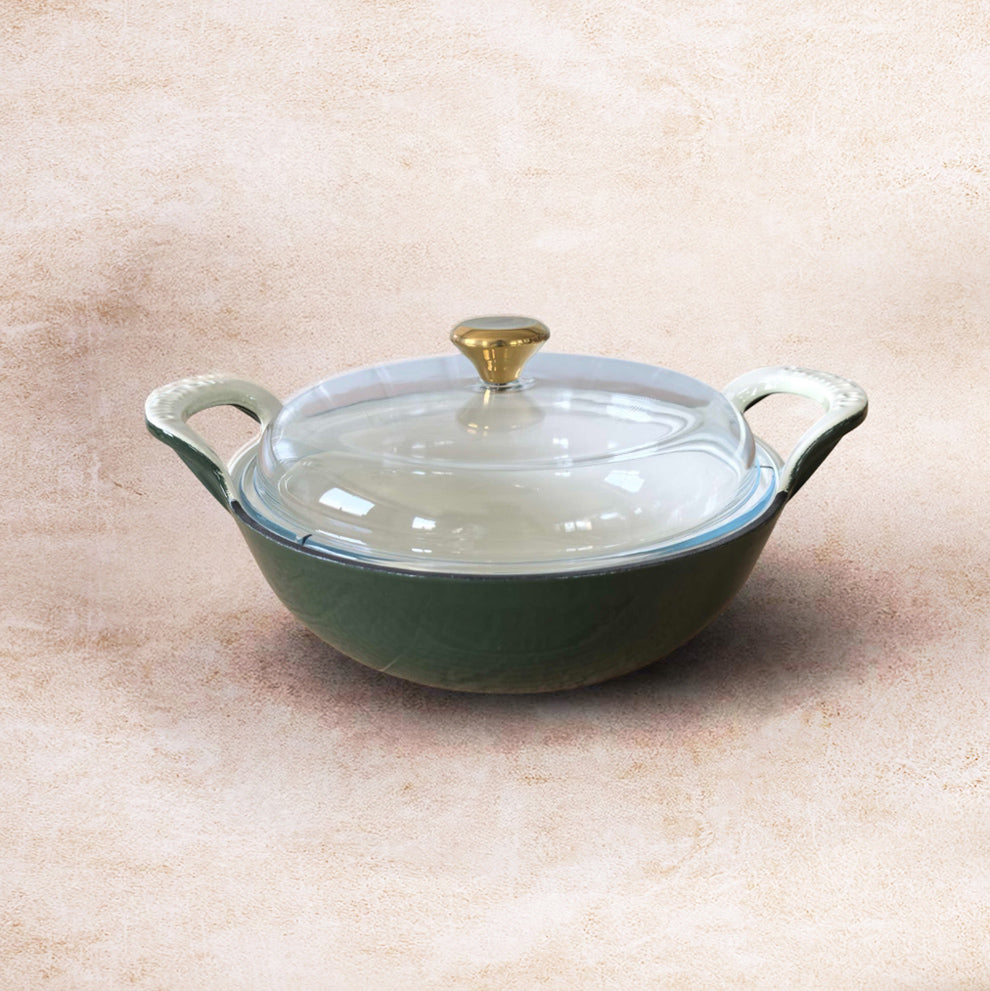

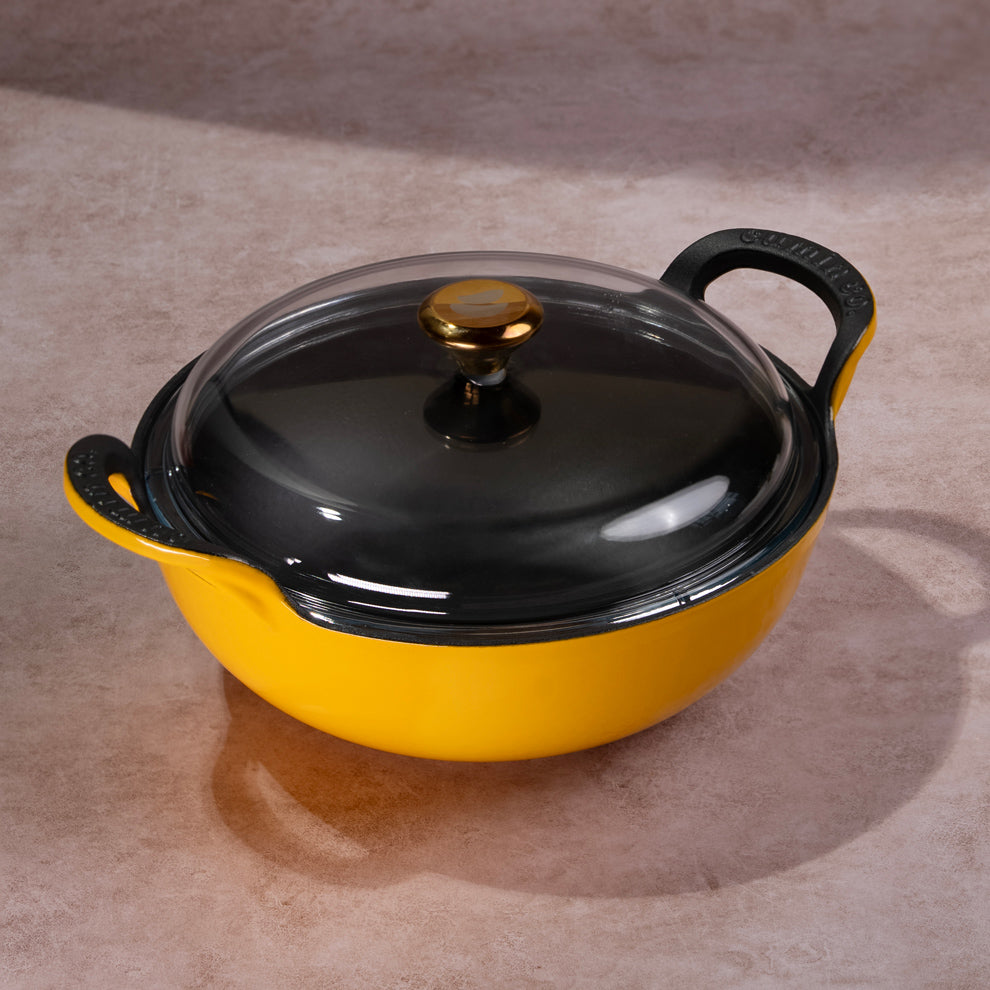
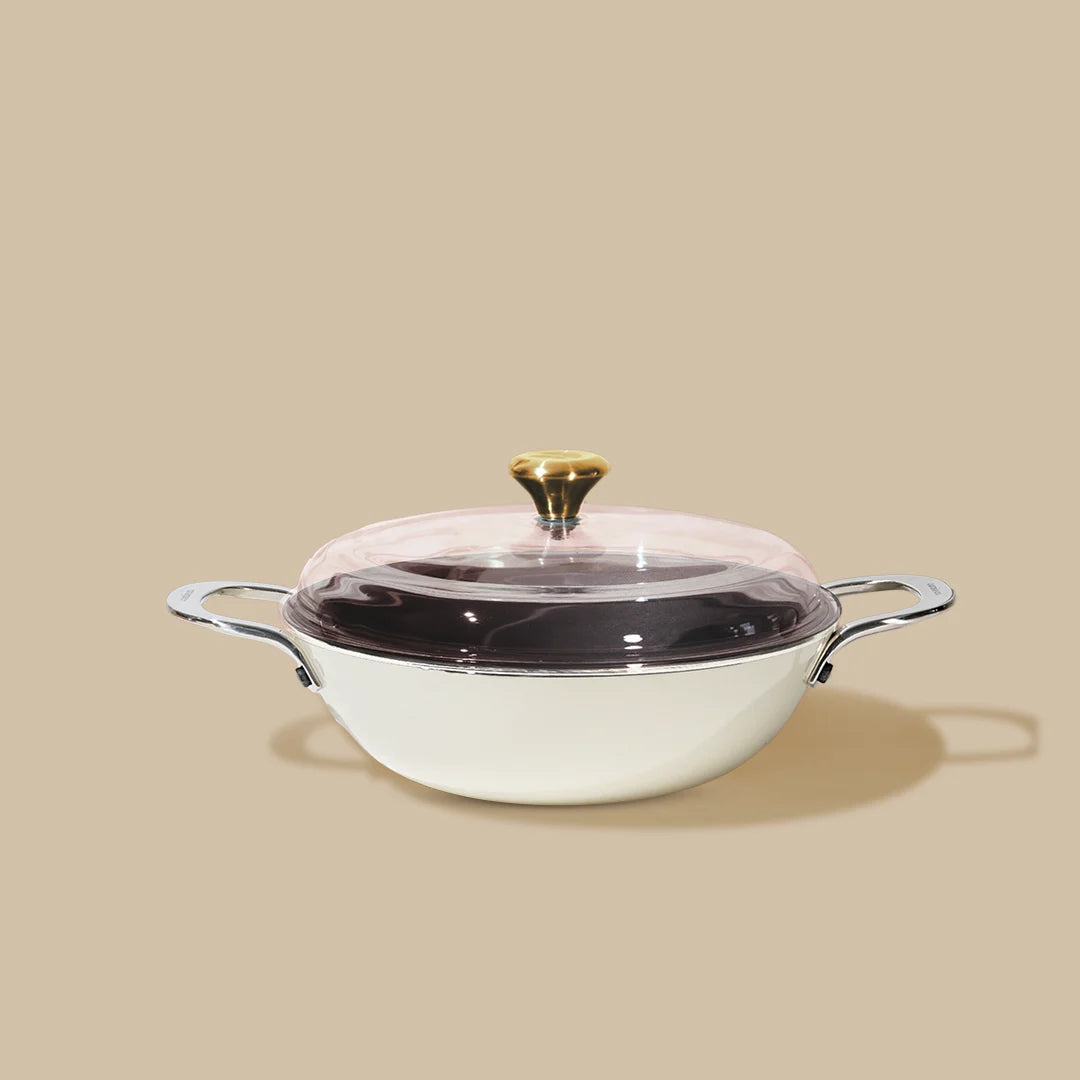


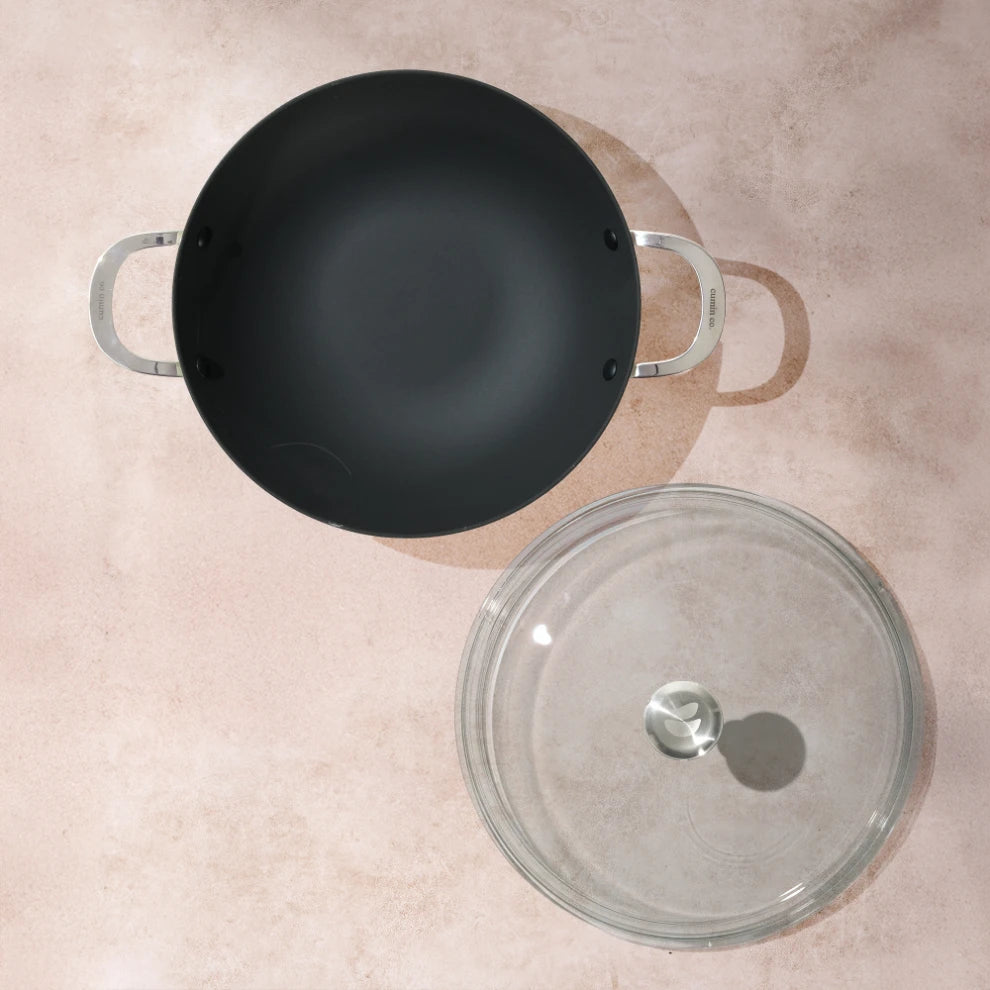

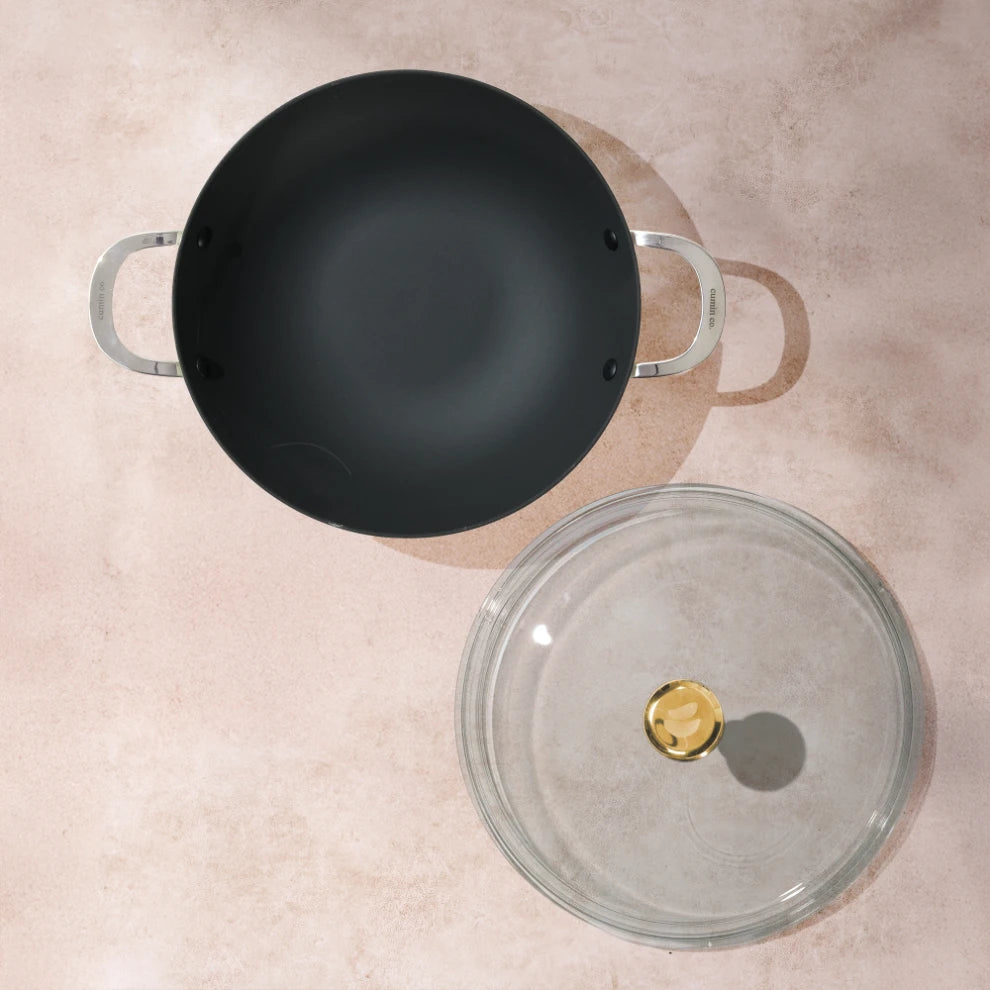

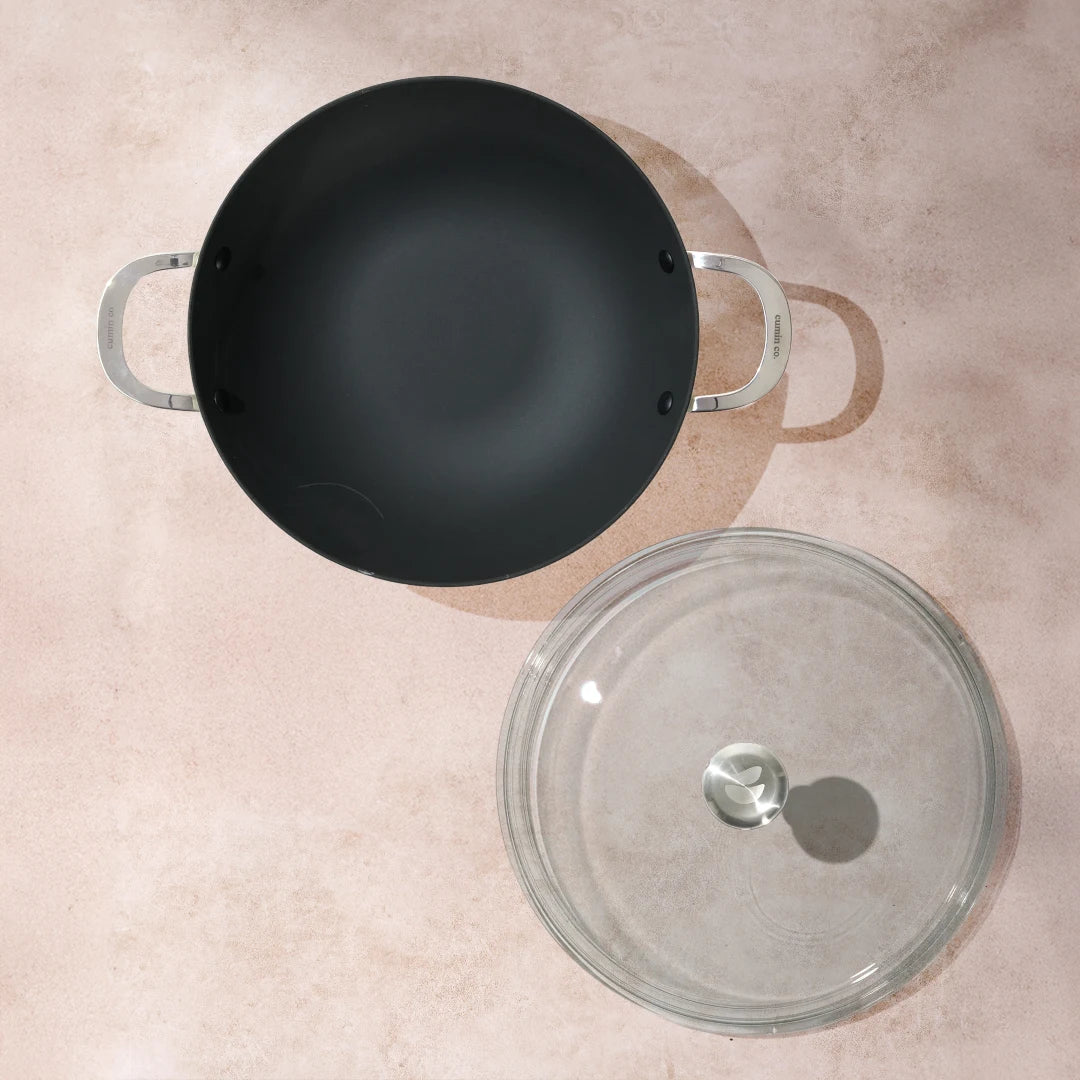
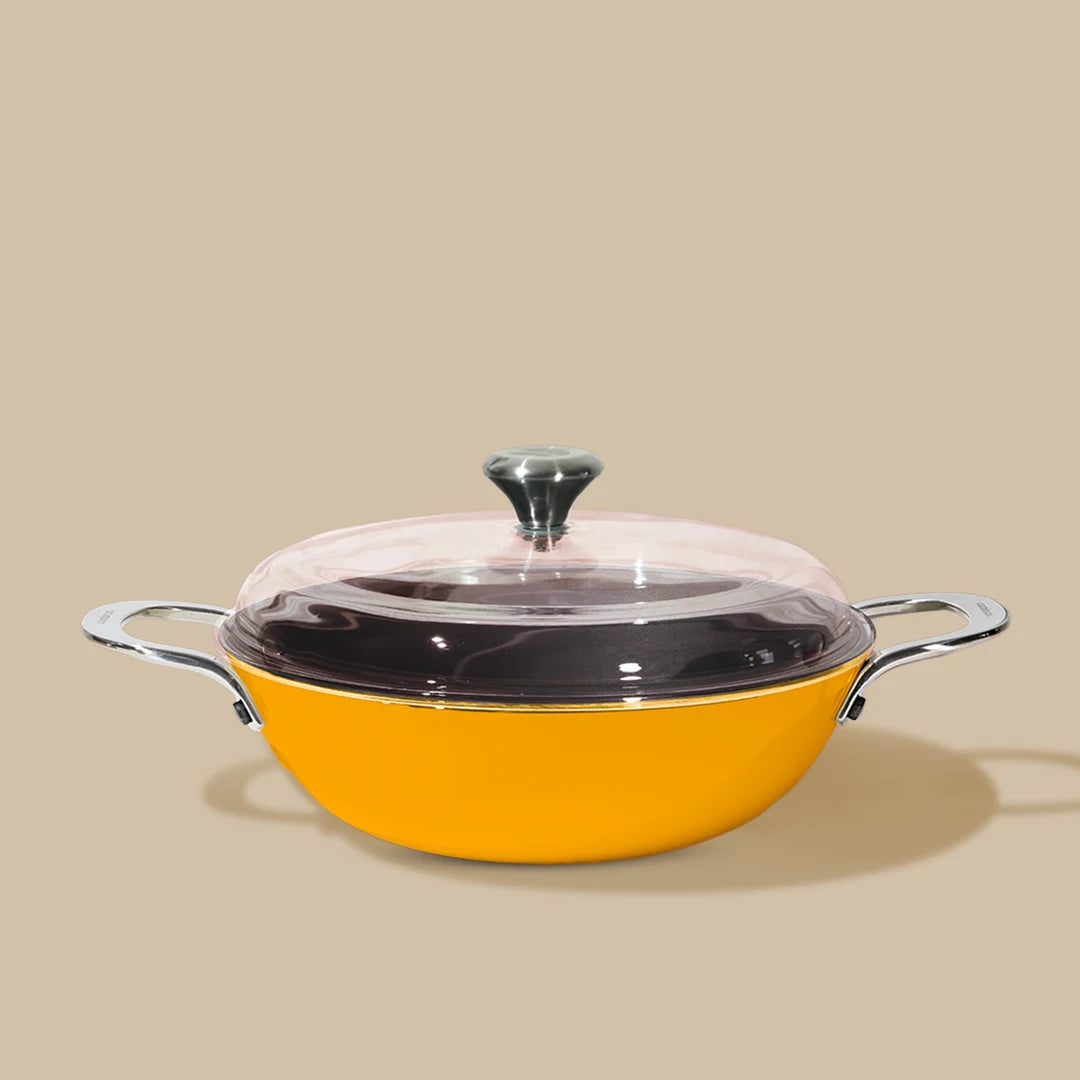
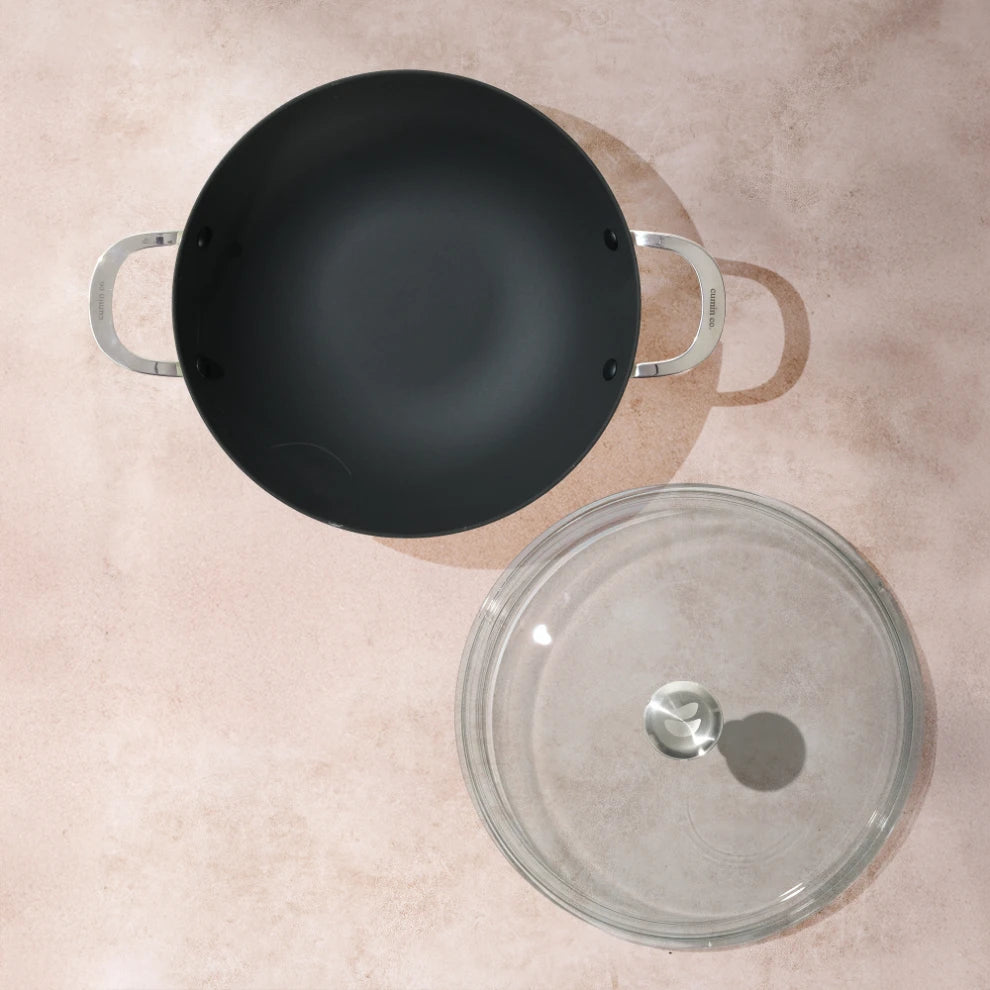

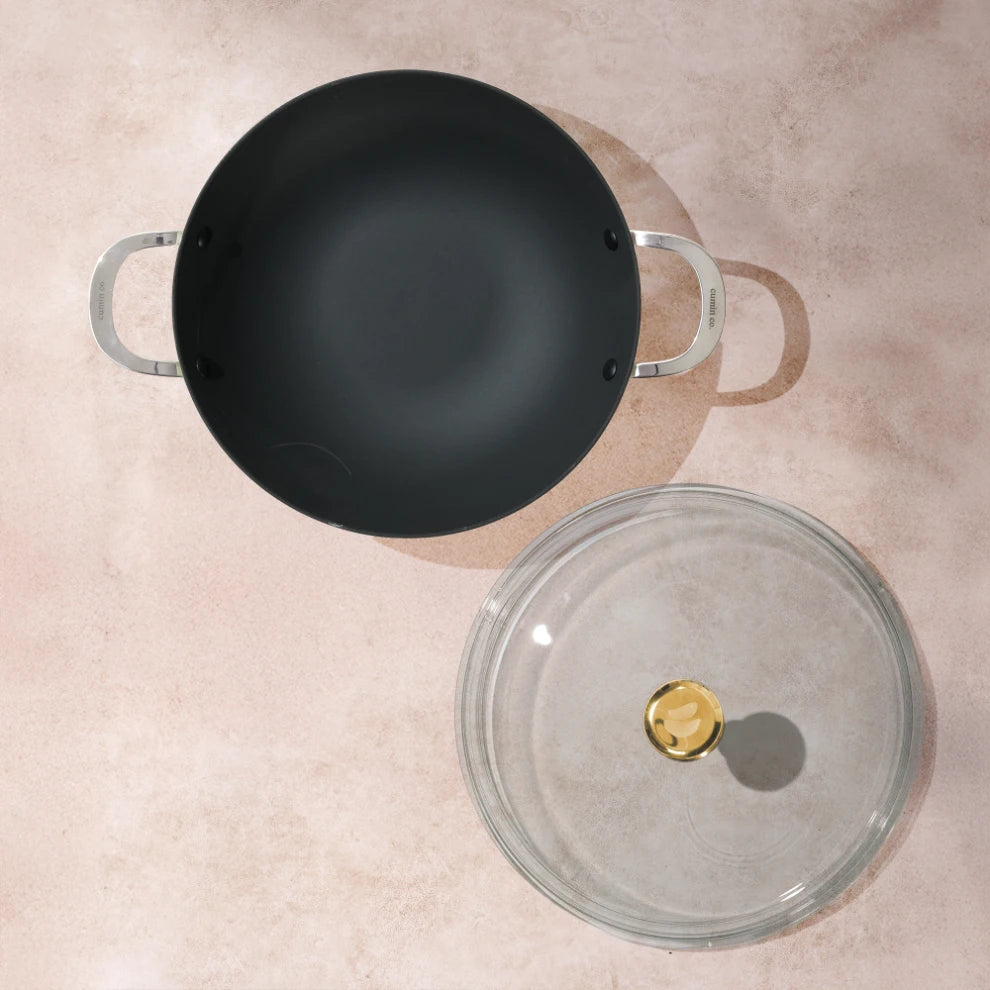

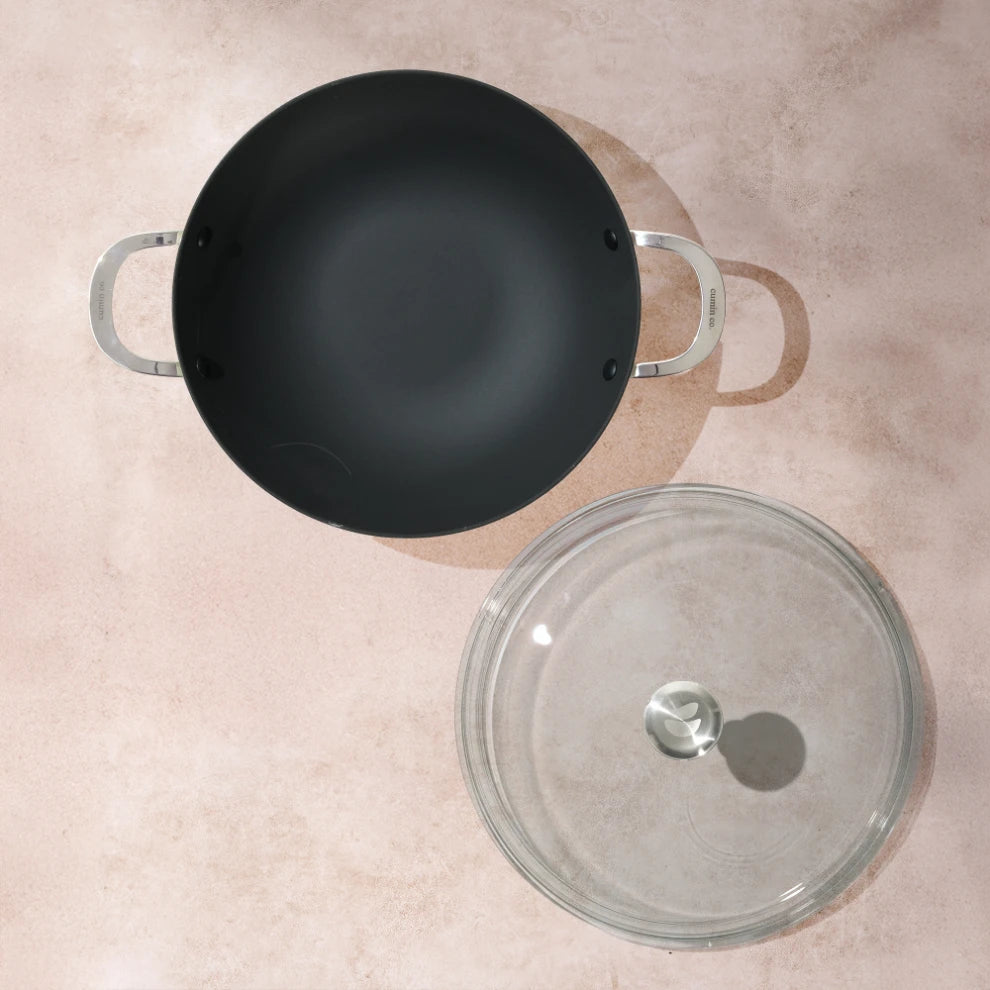

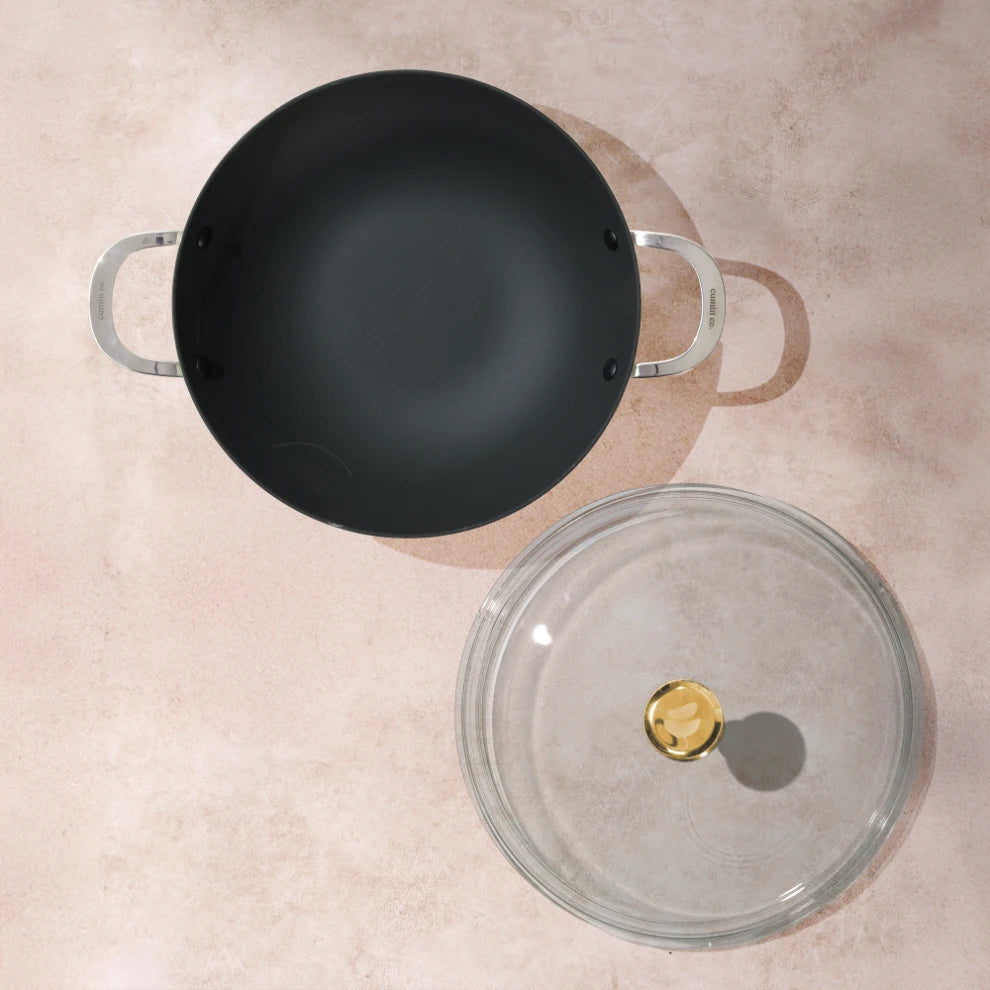
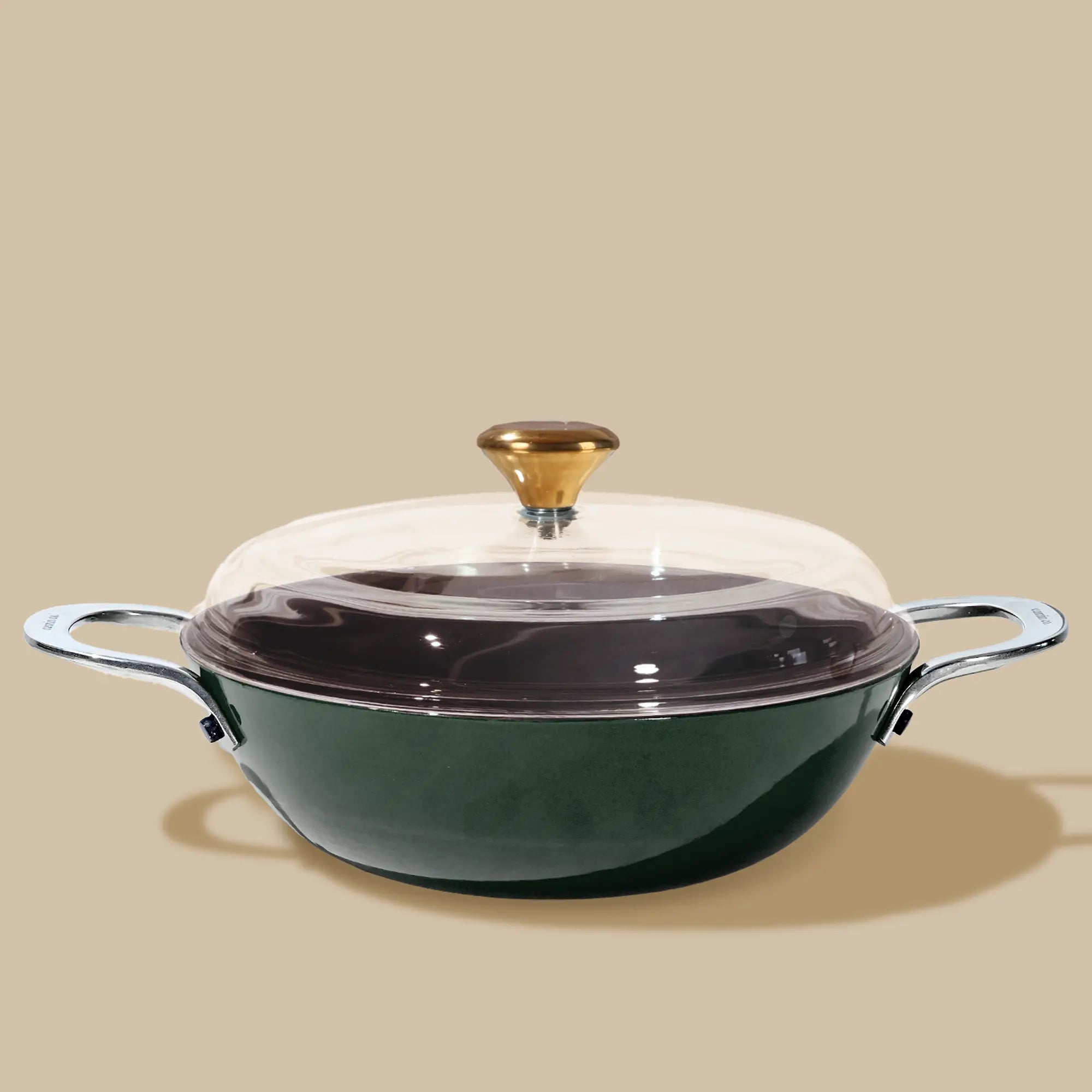
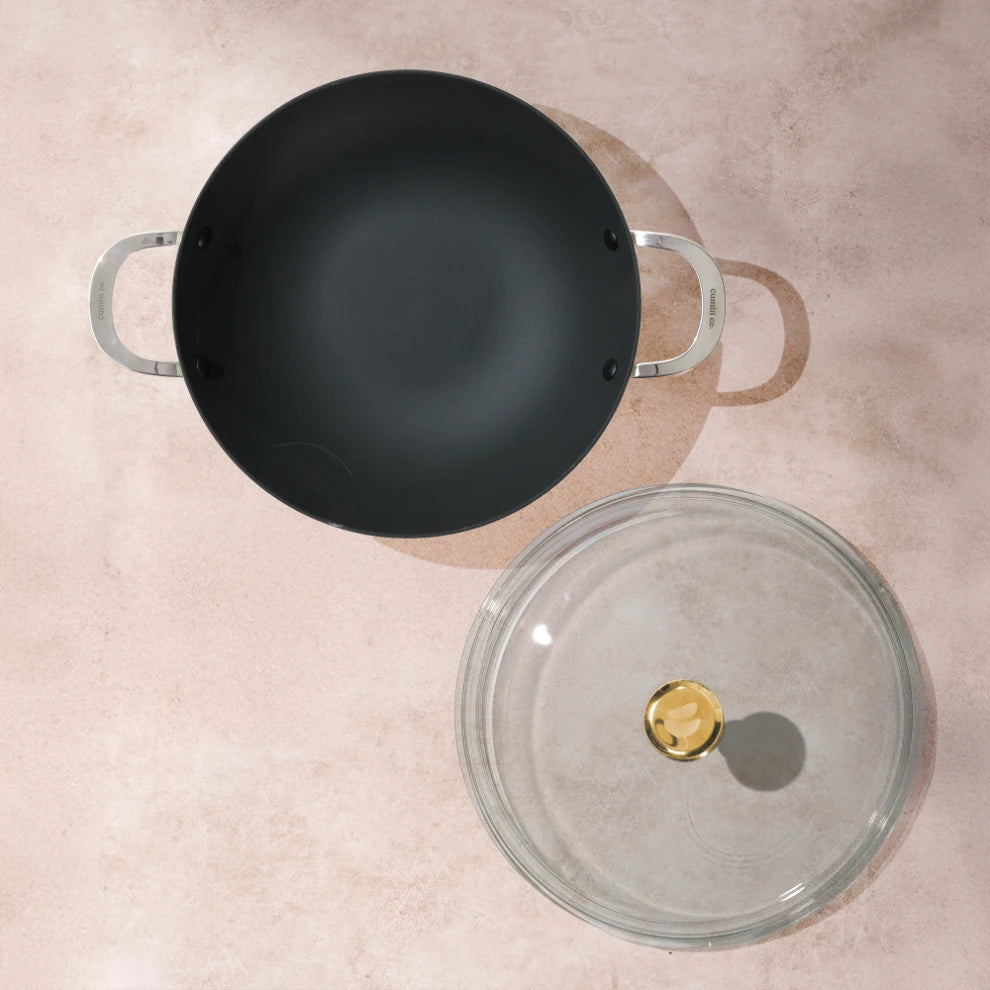

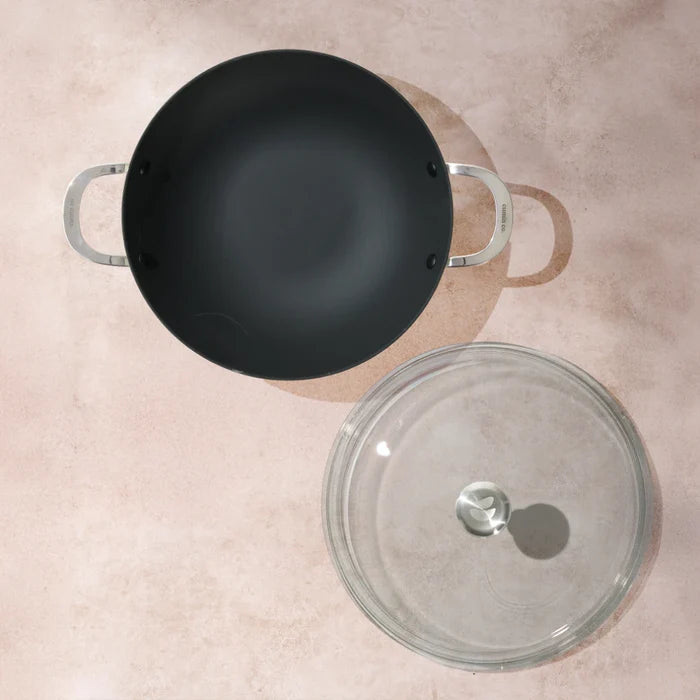

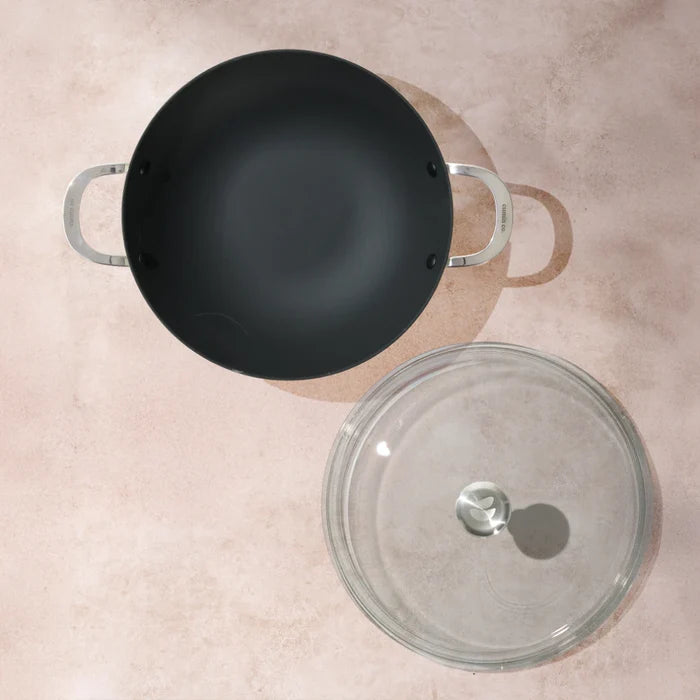
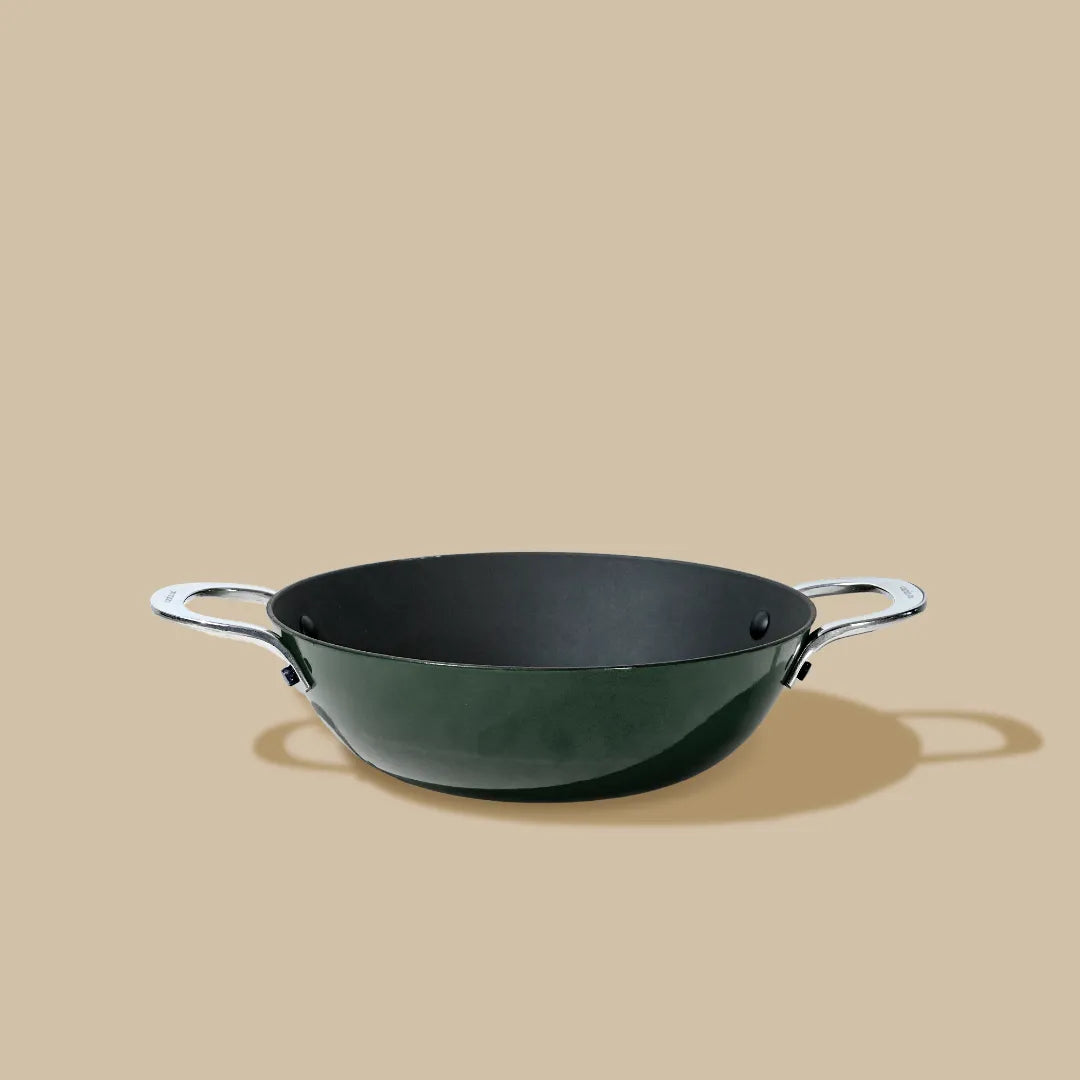

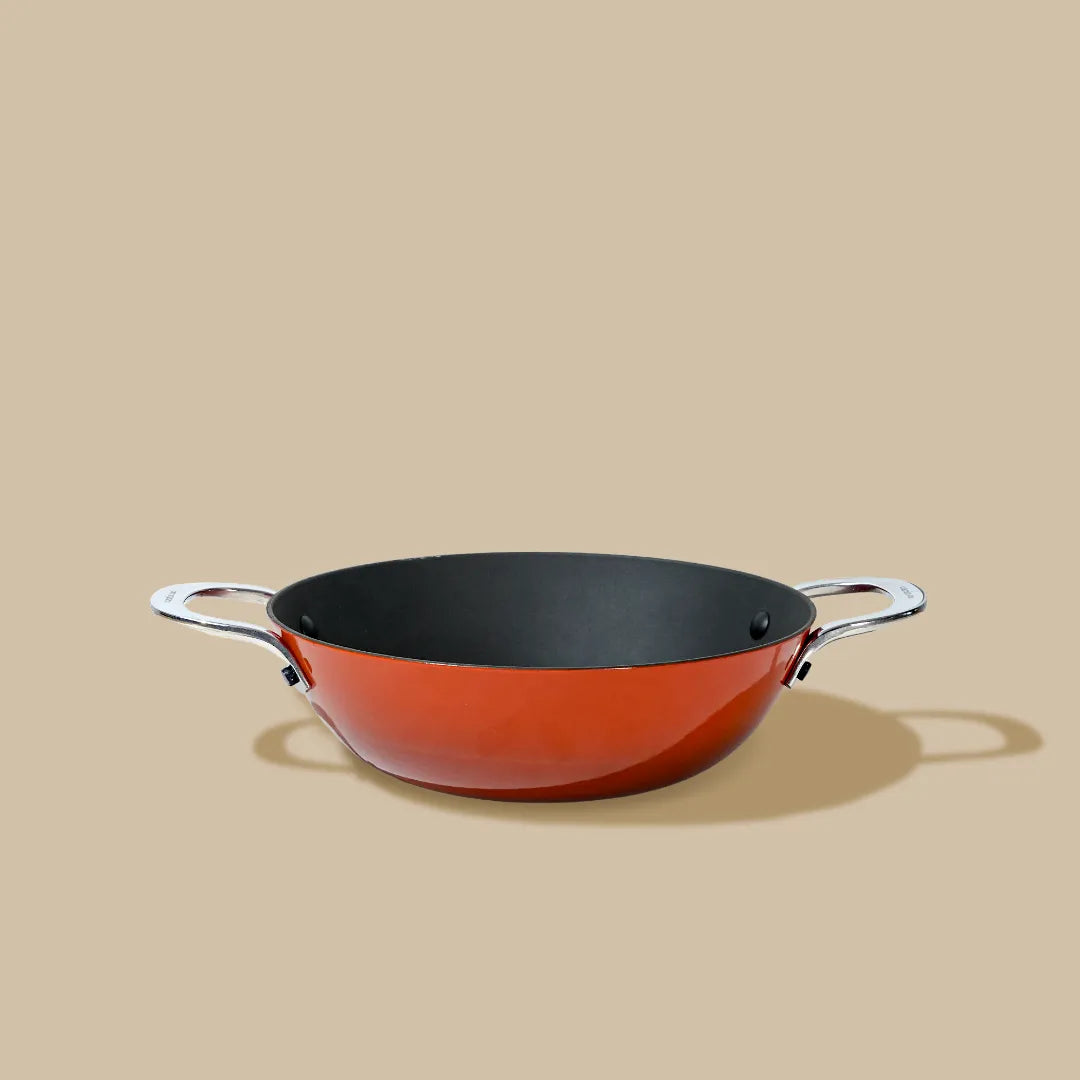
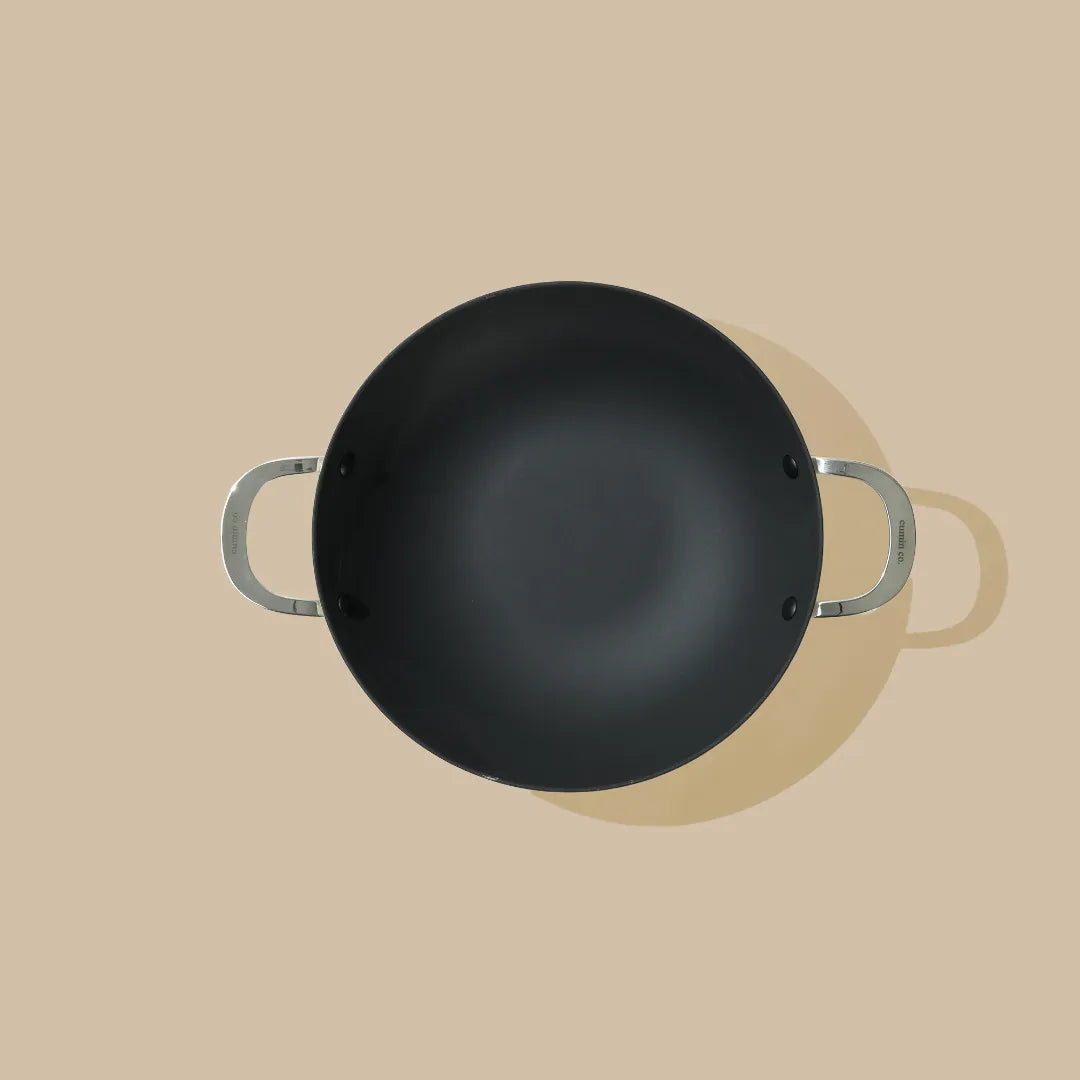
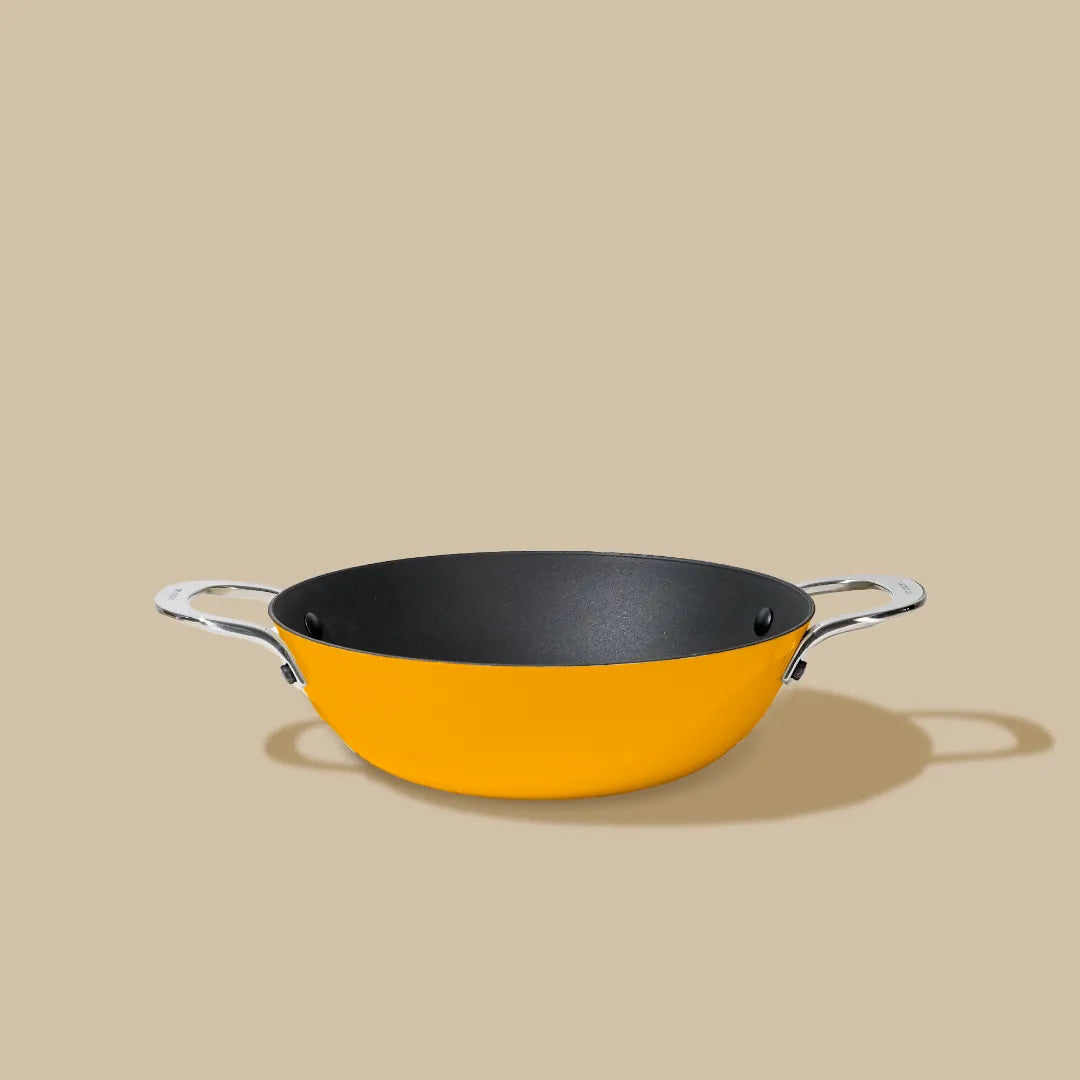
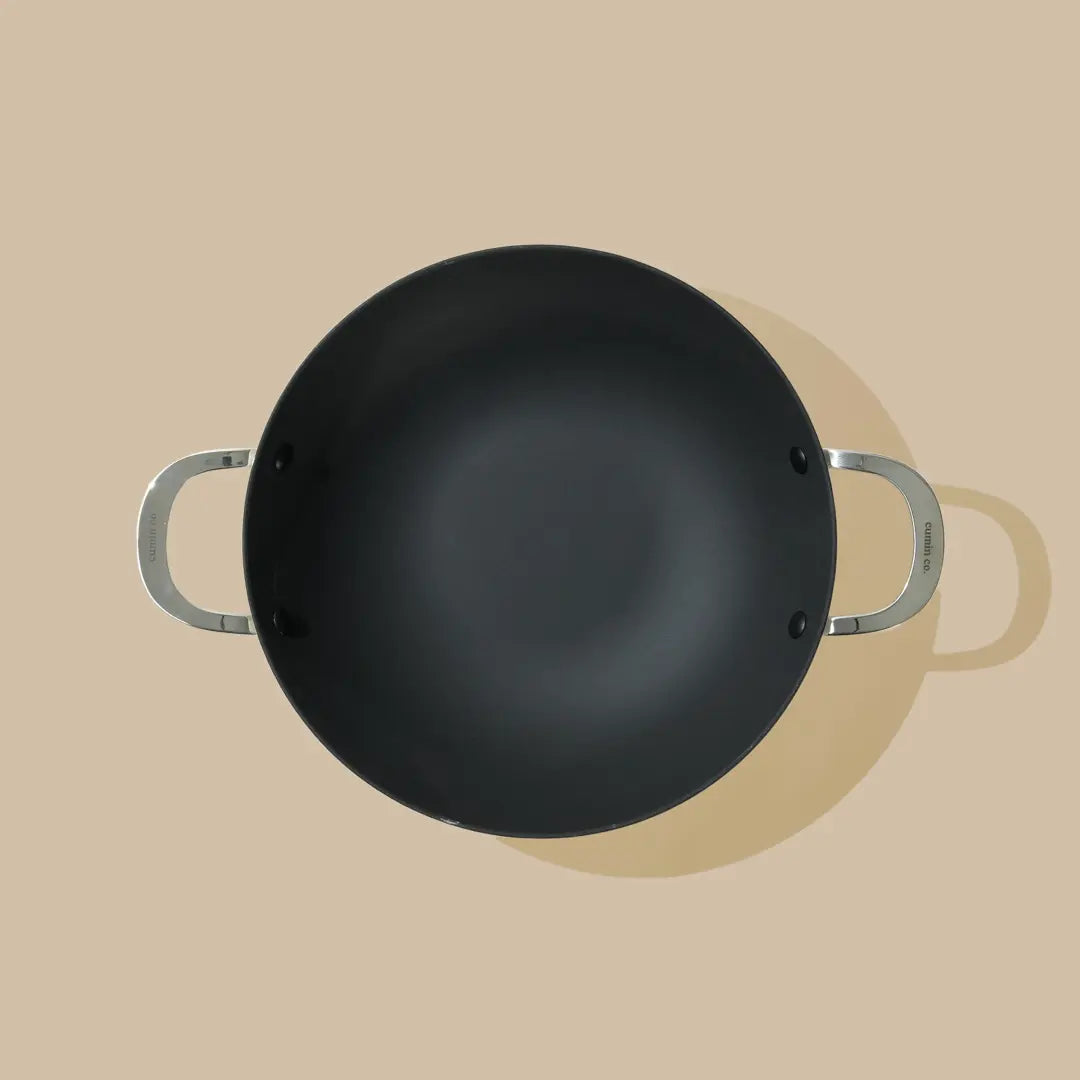
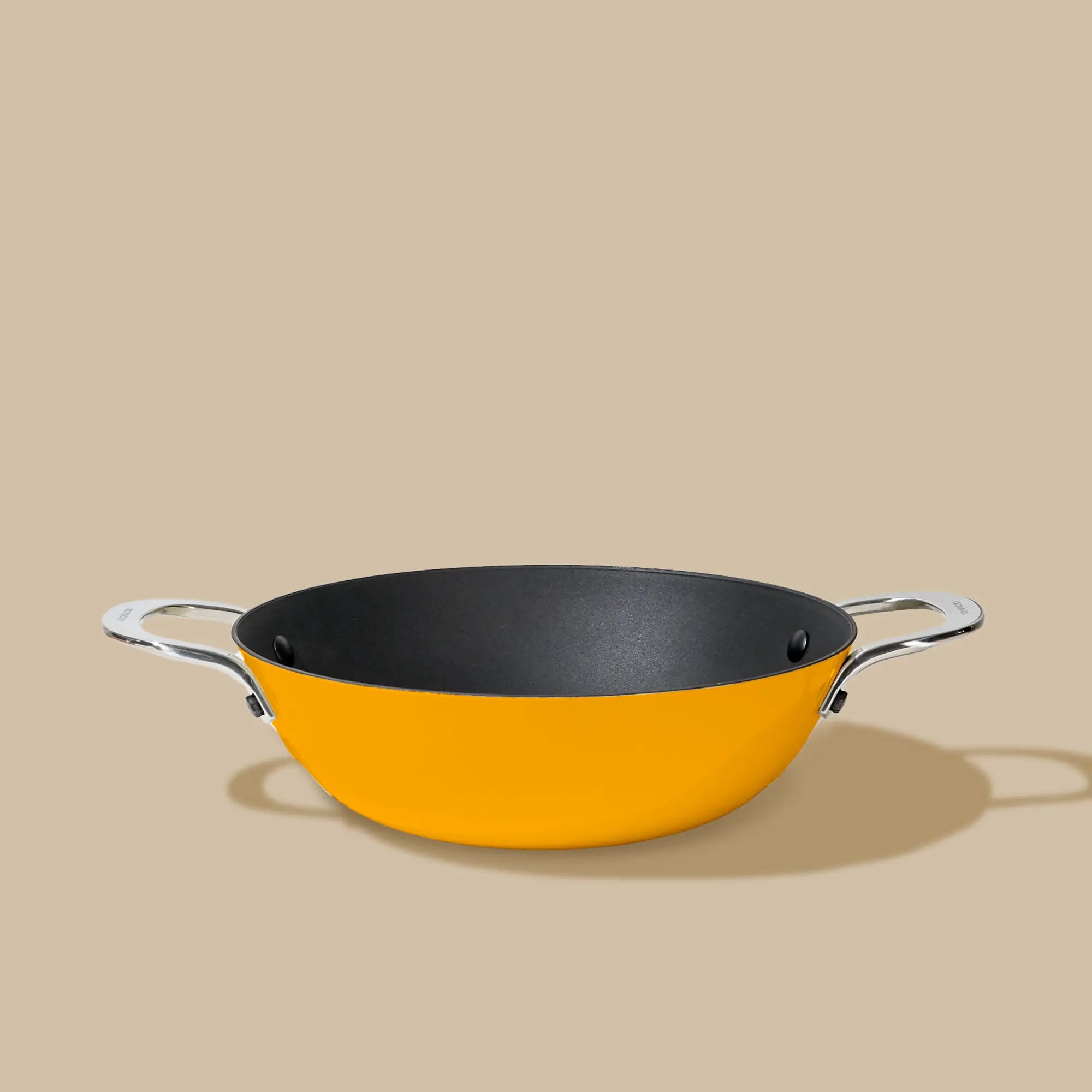
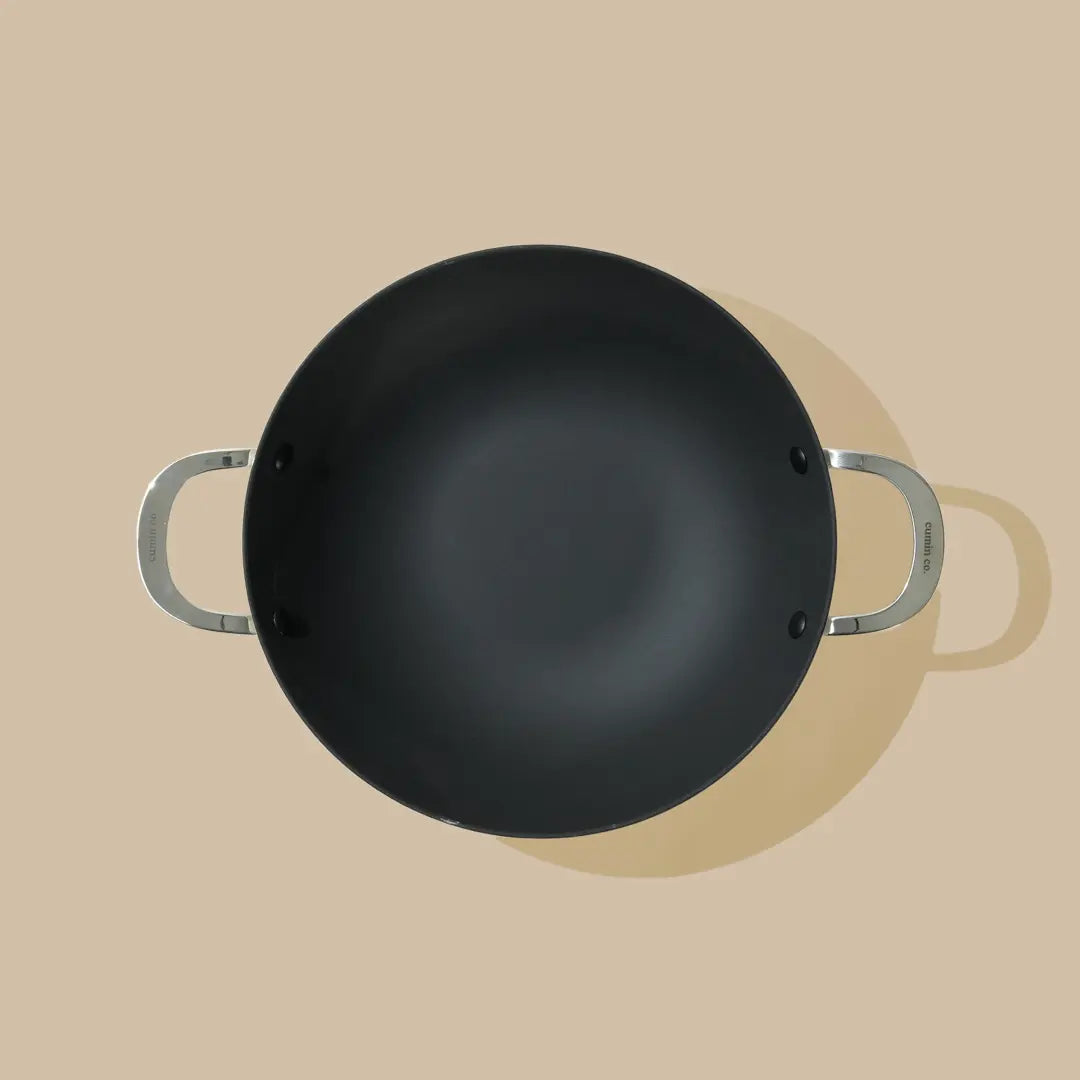

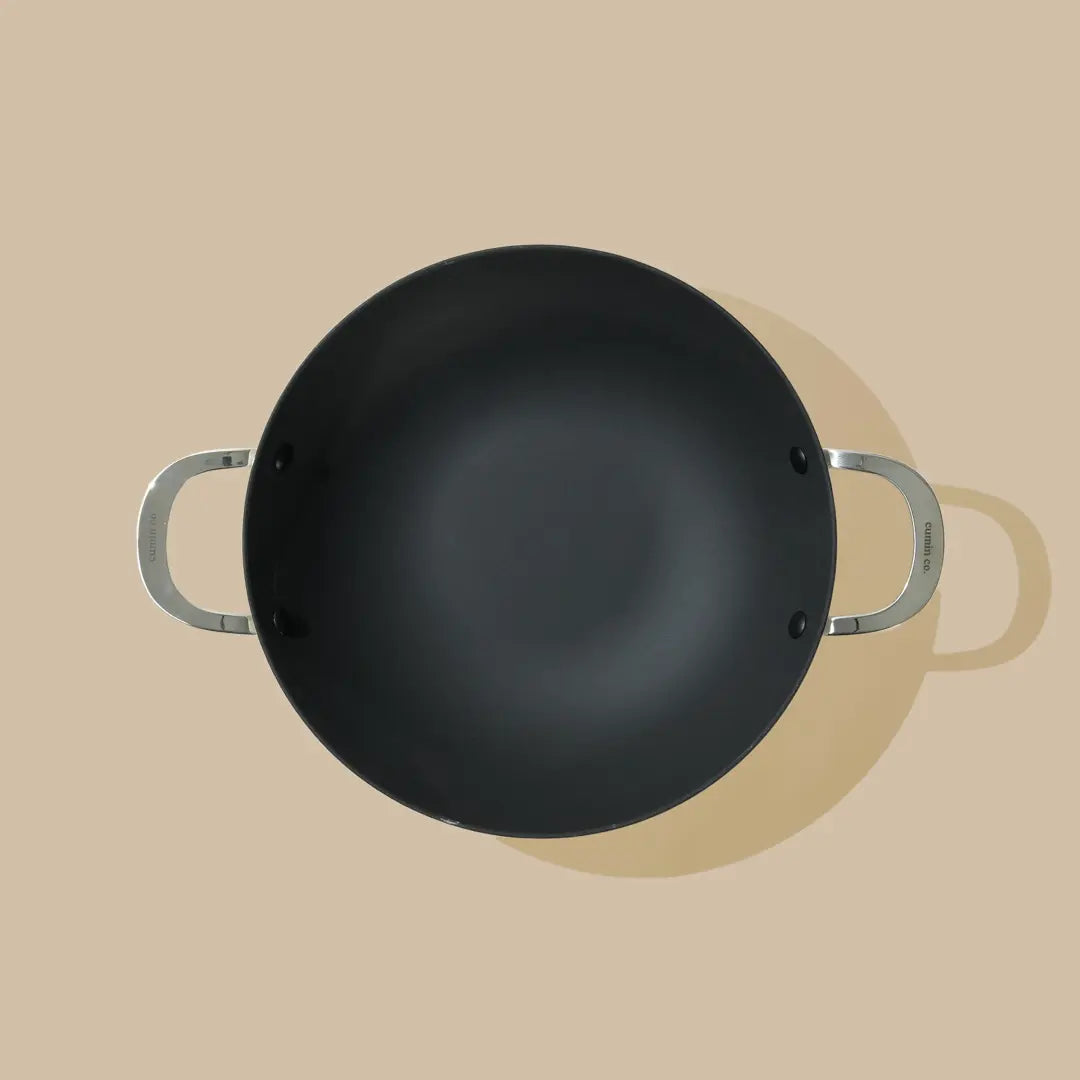

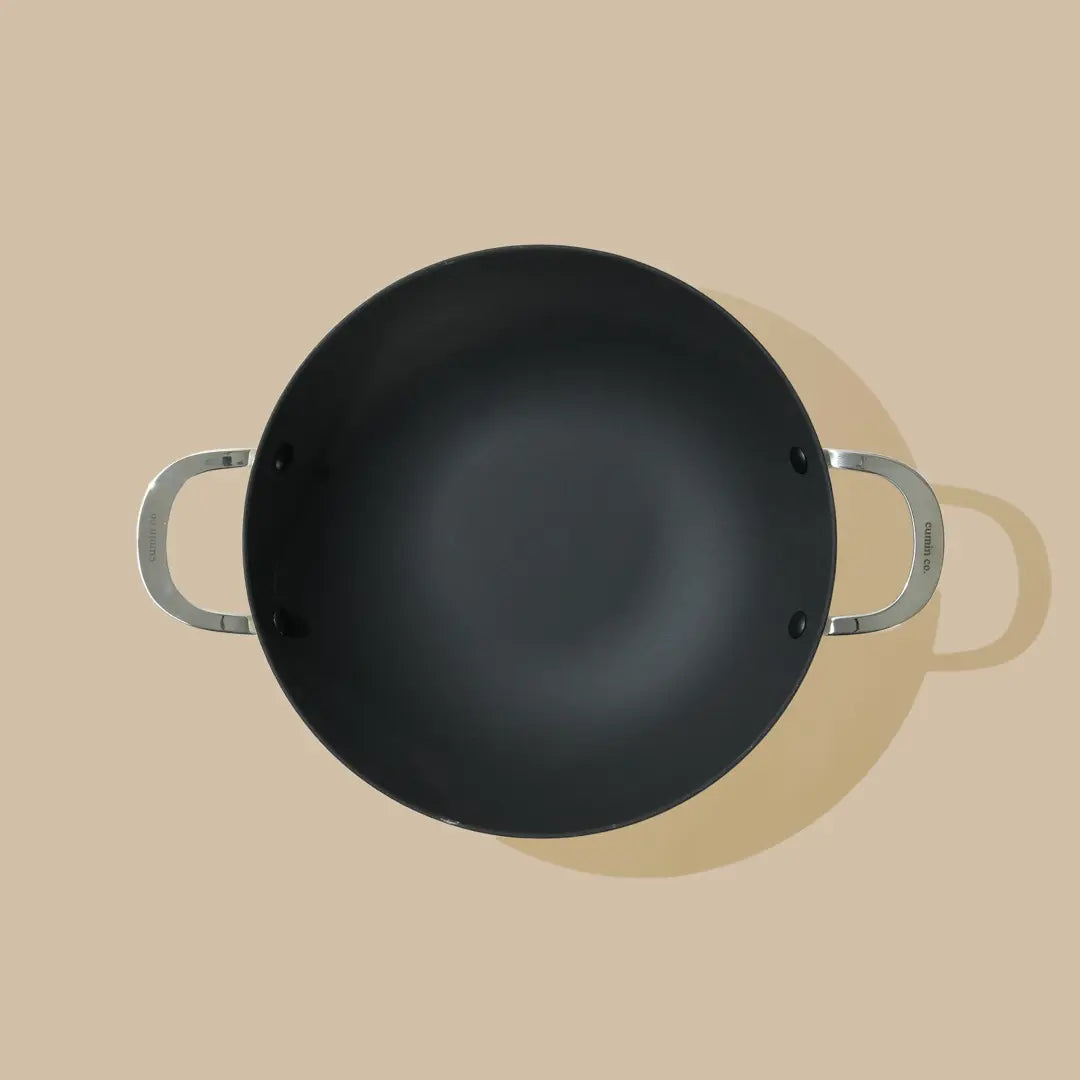
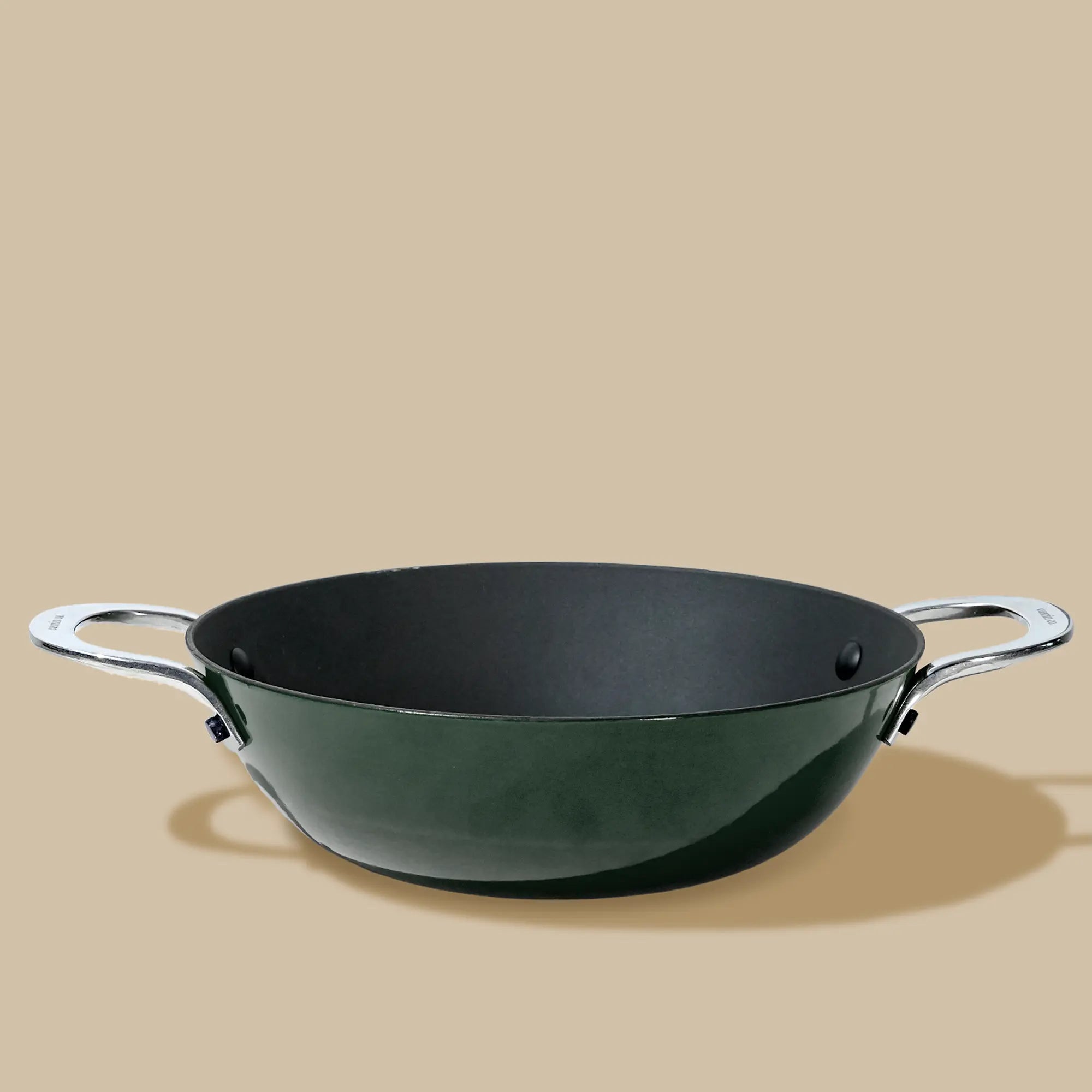
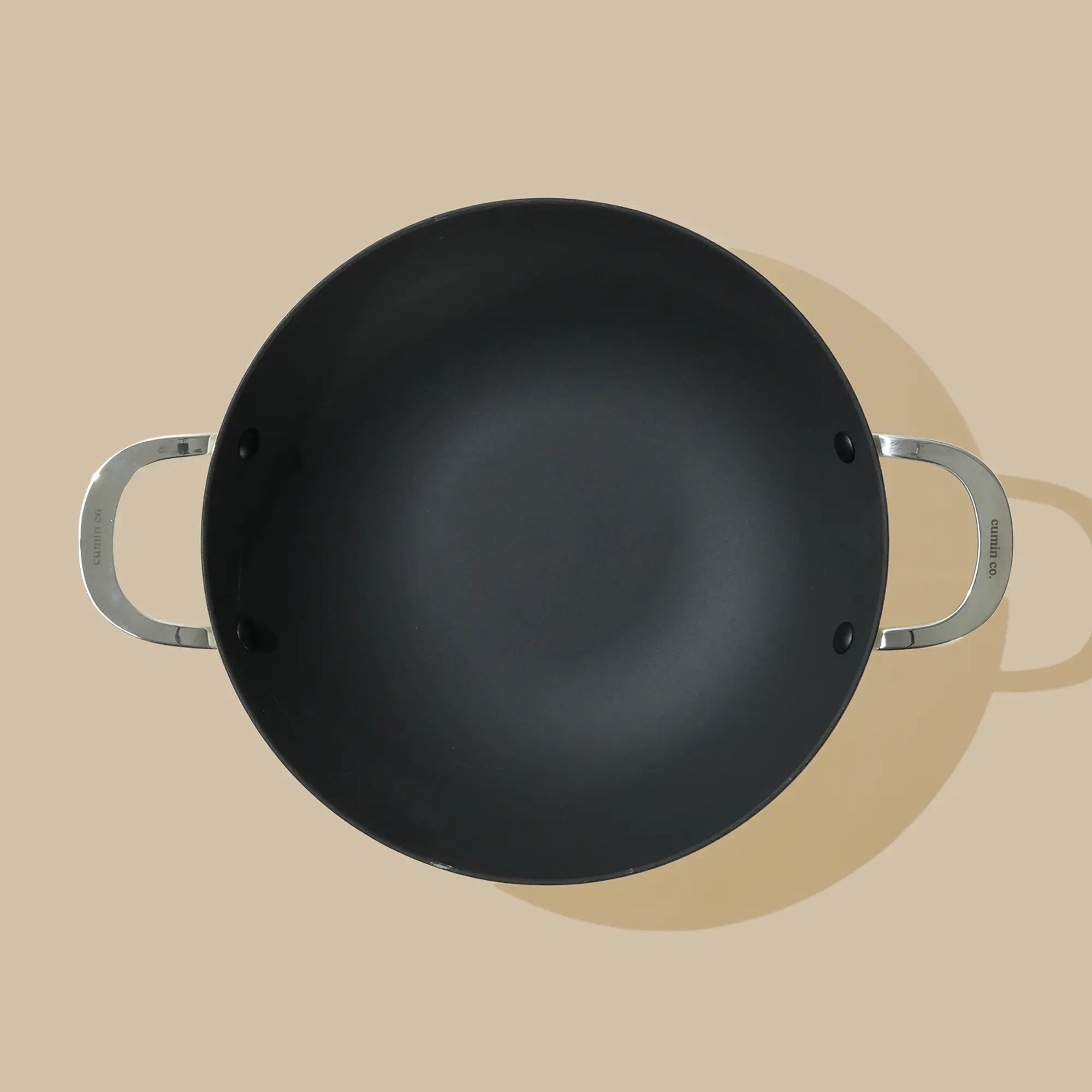

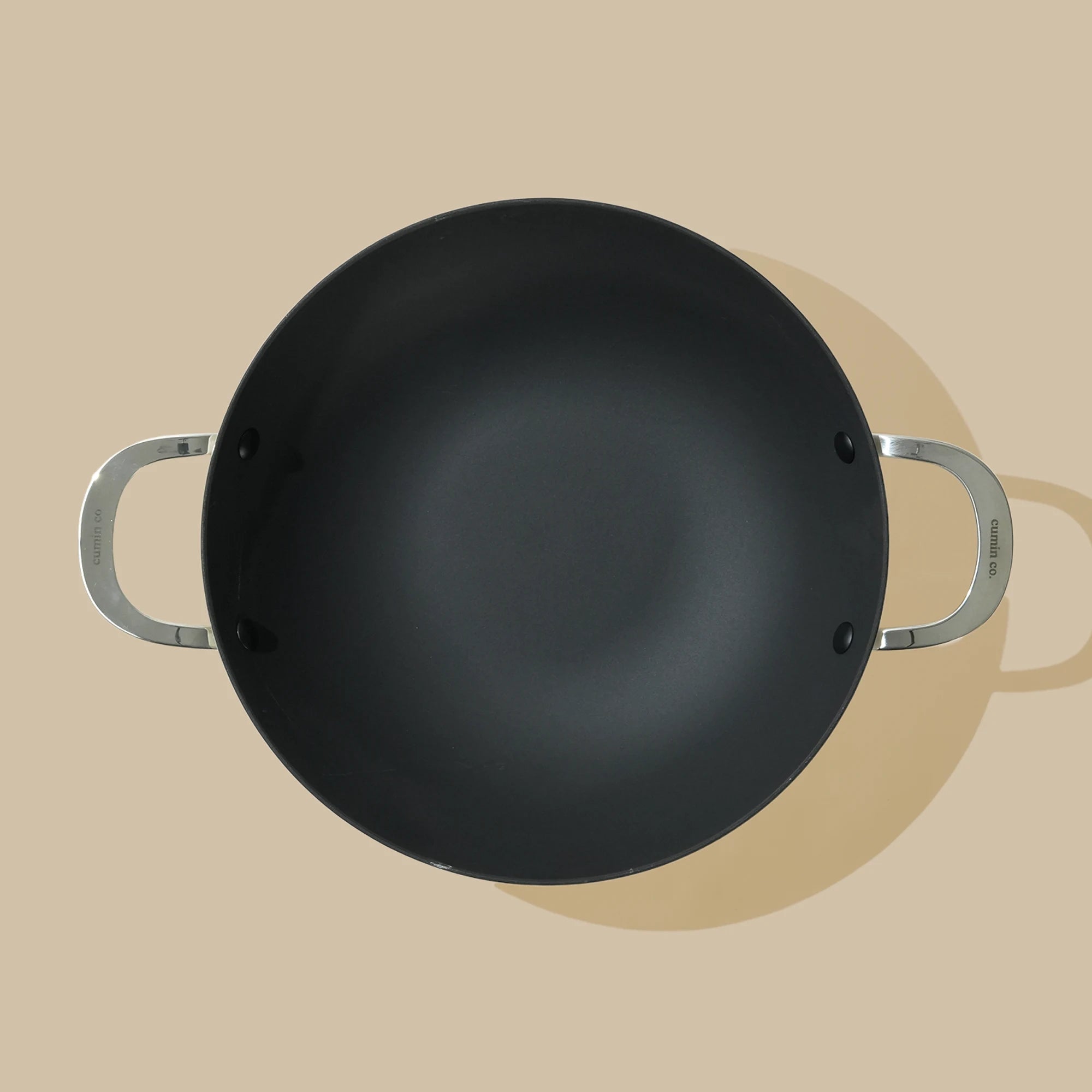

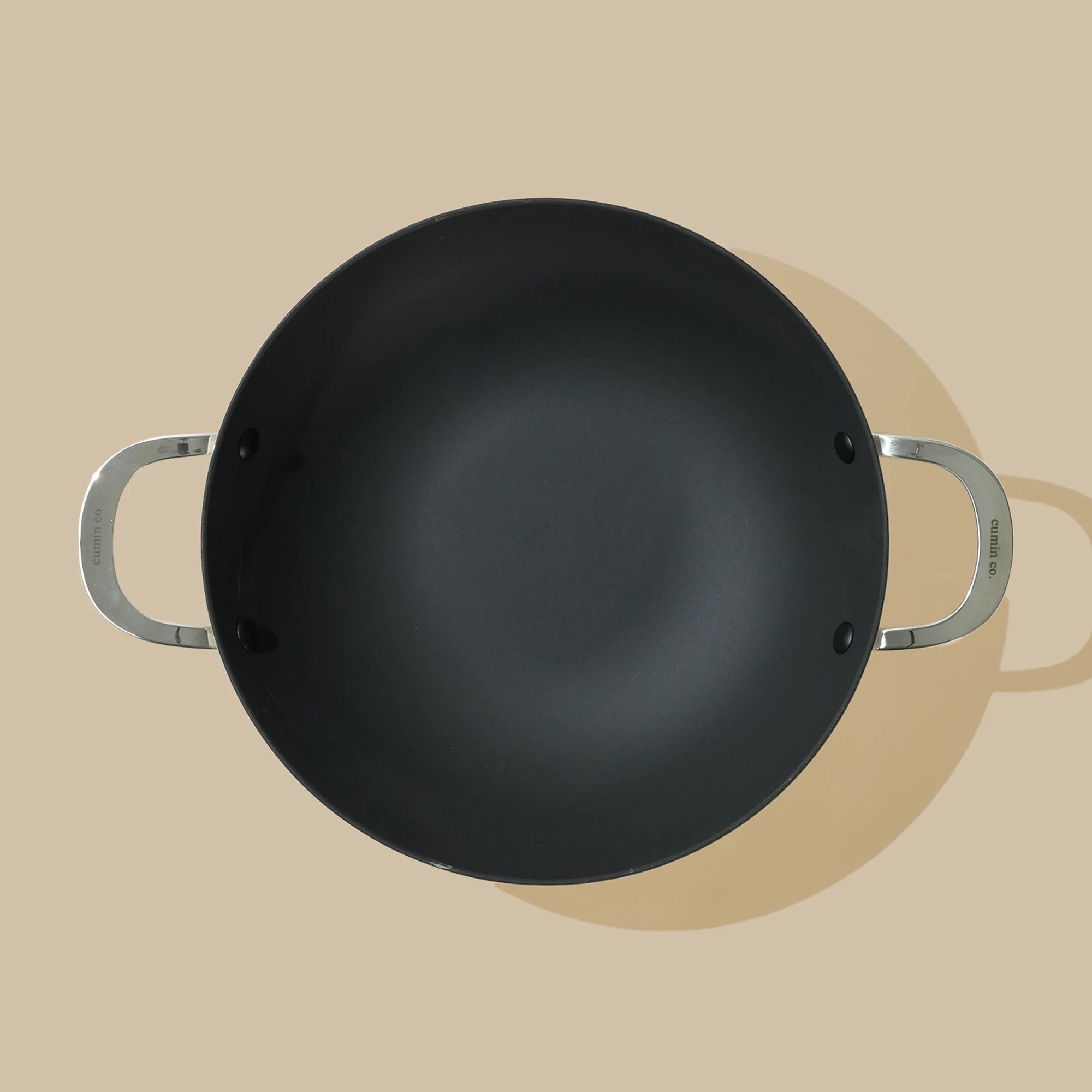
Enamel Cast Iron Kadai - 100% Toxin Safe Kadai with Lid
In most Indian homes, the kadai barely ever gets the time to rest. It stays on the stove because there’s always something next. Tadkas. Sabzi. Oil heating up for pakoras. Leftover curry being reheated at night.
A lot of pans feel fine in the beginning and slowly start becoming annoying to use. Food starts sticking unexpectedly. Uneven heating. Coatings scratching and peeling somewhere near the center first.
Our enamel cast iron kadai collection is built differently. Heavier. Slower to heat, yes. But once it does, the cooking feels far more steady.
The kind of cookware you stop thinking about after a while because it simply works.
Enamel Cast Iron Kadai vs Non Stick Kadai – Which is Better?
Most people switch to a non-stick kadai because it feels easier. And honestly, for a while it is.
But Indian cooking exposes weak cookware very quickly. Especially if you cook daily.
High heat. Tomatoes. Frying. Reheating. A rushed tadka at 9 pm because dinner got delayed.
This is usually when thinner pans start reacting badly. Heat becomes patchy. Food browns unevenly. The coating starts looking tired long before the cookware actually breaks.
Cast iron behaves differently. You notice it while frying onions first. The heat stays stable instead of dropping the second ingredients hit the kadai.
Less adjusting. Less hovering around the stove trying to fix the flame constantly.
Why Choose Enamel Cast Iron Kadai with Lid
100% Toxin-Free Cooking (No Chemical Coating)
Most people notice peeling coatings on their cookware too late. Once you notice that tiny peeling near the center? Suddenly it becomes impossible to ignore.
Our kadais are made without PFOA, PTFE, or heavy metals. For people trying to move away from synthetic-coated cookware, this shift toward better kadai cookware usually starts becoming important after years of daily use.
Enamel Coating – No Seasoning Required
Raw cast iron is great until somebody leaves it wet in the sink once.
Then comes the rust panic.
An enamel kadai gives you the same heavier base and slower, more even cooking without needing seasoning routines or maintenance tutorials from YouTube.
Wash it. Dry it. Put it back.
Superior Heat Retention & Even Cooking
Indian cooking punishes uneven cookware almost immediately.
Masalas catch at the bottom while onions stay half-cooked. Oil cools too quickly between frying batches. Gravies reduce unevenly around the edges.
A heavier kadhai cast iron base avoids a lot of this naturally because the heat stays more stable once the cookware is hot.
You can actually hear the difference while frying sometimes. The sizzling stays consistent.
Kadai with Lid for Better Cooking Control
Anybody who cooks curries regularly already knows this.
A proper kadai with lid changes how food cooks. Moisture stays in longer. Dum cooking becomes easier. Even simple sabzis taste better when they’re not drying out every few minutes.
Also, fewer oil splatters all over the stove. Which matters.
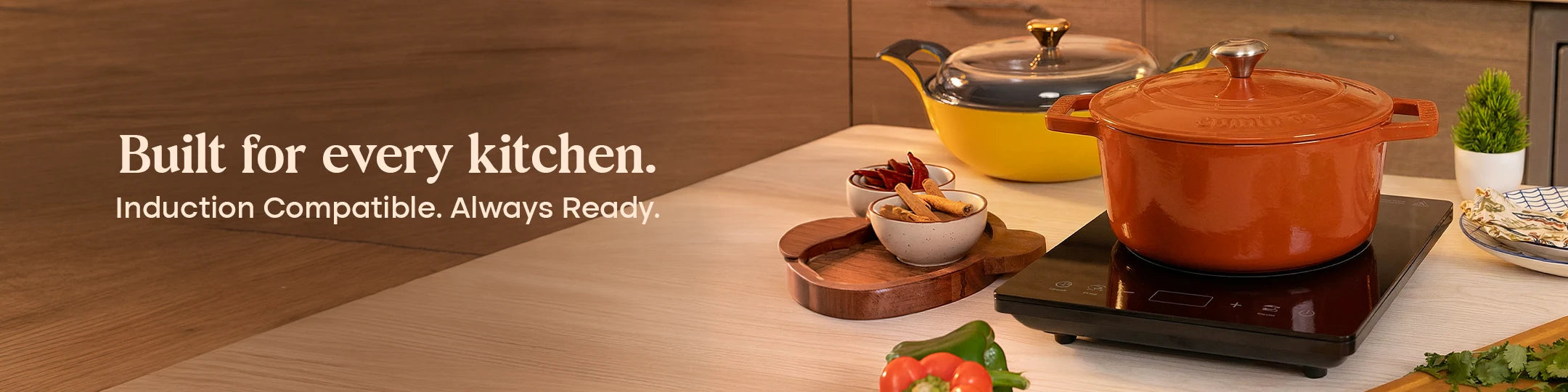
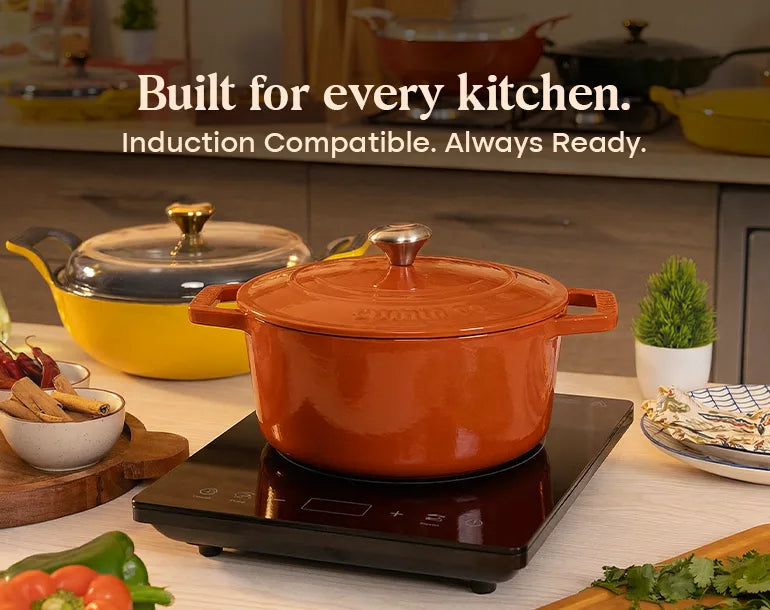
Works on Gas & Induction Cooktops
A lot of older cast iron cookware struggles on induction.
Our kadais work across both gas and induction cooktops without feeling too light or flimsy. Which is usually the problem people run into while searching for a proper cast iron kadai for induction.
You still get the heavier feel people actually like about cast iron cooking.
Key Features of Cumin Co. Cast Iron Kadai
Strong Build & Long-Lasting Durability
Most cookware replacements happen slowly.
A loose handle first. Then uneven heating. Then eventually the coating starts giving up.
A good cast iron kadai with lid usually stays in the kitchen much longer than expected. Not because somebody planned it that way. People just don’t feel the need to replace it constantly.
Deep Kadai Design for Frying & Curries
Shallow pans become frustrating very quickly once oil starts bubbling properly.
A deeper kadai simply gives cooking more space. Better for frying. Better for gravies. Better for dishes that need stirring without everything threatening to spill over the side.
Sturdy Handles for Safe Cooking
Once a kadai is full of hot oil or curry, you immediately notice whether the handles were designed properly or not. Wider side handles make a big difference here, especially with larger cookware like a cast iron kadai 5 litre that’s regularly used for frying or heavier family meals.
Available Sizes: 2.1L, 3L, 3.9L, 5.5L
For 1–2 people, smaller kadais usually feel easier to manage day to day. They need less storage space and weigh less while washing.
Larger kadais start making more sense if cooking involves family meals, frying, or dishes that need proper simmering space.
Smaller kadais are usually enough for quick sabzis, tadkas, or late-night reheating.
Our Enameled Cast Iron Kadai Range for Toxin Free Cooking
Healthy Enamel Cast Iron Cookware & Kitchenware Sets
| S Number | Enamel Kadai | Colour Varients | Pricing |
|---|---|---|---|
| 1 | Titanium Enamel Cast Iron Lite Kadai 24cm 2.1 Litre | Sarso (Mustard), Moringa (Green), Kulhad (Rust), Malai (White) | ₹4349 - ₹4749 |
| 2 | Enamel Cast Iron Kadai 26cm 3 Litre | Sarso (Mustard), Moringa (Green), Kulhad (Rust), Malai (White) | ₹5804 - ₹6449 |
| 3 | Titanium Enamel Cast Iron Lite Kadai 28cm 3.9 Litre | Sarso (Mustard), Moringa (Green), Kulhad (Rust), Malai (White) | ₹5149 - ₹5499 |
| 4 | Titanium Enamel Cast Iron Lite Kadai 32cm 5.5 Litre | Sarso (Mustard), Moringa (Green), Kulhad (Rust) | ₹5749 - ₹6149 |
What Can You Cook in a Cast Iron Kadai
Sabzi, Curries & Gravies
This is usually where people notice the difference first.
Slow bhuna cooking. Onion-tomato gravies. Curries that sit simmering for 30–40 minutes without burning unevenly underneath.
A good cast iron kadai for cooking handles these comfortably because the heat stays steadier throughout.
Deep Frying Snacks (Pakora, Samosa)
Lightweight pans lose heat the second cold batter hits the oil. First batch comes out fine. Second batch usually doesn’t.
Heavier cookware keeps the oil steadier between batches, so pakoras and samosas colour more evenly instead of turning patchy and soggy.
Biryani, Fried Rice & One-Pot Meals
Biryani gets frustrating in thin cookware. The bottom layer catches too early while the top still feels underdone.
You get a little more breathing room with the heat. Especially while layering biryani or finishing dum cooking.
Halwa, Sweets & Traditional Recipes
Indian sweets usually need patience more than high heat.
Long roasting times. Constant stirring. Slow cooking that doesn’t suddenly spike in temperature halfway through.
This is exactly where heavier cookware still feels worth using.
How to Use a Cast Iron Kadai the Right Way
Step-by-Step Cooking Guide
Cast iron responds better when you slow down slightly.
Let the kadai heat gradually before adding oil. Use medium heat more often than maximum heat. Don’t run cold water over it immediately after cooking.
Small habits. Big difference later.
Using Kadai on Induction vs Gas
Gas feels faster and more aggressive around the sides.
Induction cooking feels steadier once the kadai heats properly.
Both work well. It mostly depends on what you’re used to cooking on every day.
How to Choose the Best Kadai for Your Kitchen
Size Guide – Small, Medium, Large Kadai
A cast iron kadai small size works well for smaller households, side dishes, or quick breakfasts.
Medium sizes usually become the everyday default. Bigger kadais make more sense for frying or larger family meals where cooking in batches gets irritating.
Kadai with Lid vs Without Lid
Indian cooking uses lids far more than people notice.
Curries simmer better. Steam stays trapped properly. Food cooks through without needing constant stirring.
Even simple dal behaves differently with a good lid on.
Flat Base vs Round Base (Induction Compatibility)
Round-bottom kadais work beautifully on gas.
For induction though, flatter bases usually feel more stable once the cookware heats up. Especially during longer cooking.
What Makes the Best Cast Iron Kadai?
Weight alone doesn’t make a good kadai. Shape matters. Handle grip matters too once the cookware is actually hot and full.
The real test happens later. After months of frying, reheating, washing, and rushed weekday cooking. That’s when bad cookware starts becoming irritating to use.
FAQs on Enamel Kadai
Is enamel cast iron kadai good for daily cooking?
It works particularly well in kitchens where one kadai ends up doing everything — frying in the evening, reheating curry later at night, making sabzi the next morning.
Can I use cast iron kadai on induction?
Yes. Just make sure the base sits flat enough for induction contact. Some traditional round-bottom kadais struggle there.
Does enamel kadai need seasoning?
No. That’s honestly one of the biggest reasons people switch.
Raw cast iron comes with rules. Dry it immediately. Oil it properly. Don’t leave moisture sitting in it. Enamel coating removes most of that stress.
Which kadai is best – enamel cast iron or non-stick?
Depends on how you cook.
If most meals are quick and light, people often prefer lighter pans initially. But for heavier Indian cooking — frying onions properly, making gravies, deep frying on weekends — enamel-coated cast iron usually feels more reliable after a point.
Especially once non-stick coatings start ageing.
What size kadai is best for home use?
Most households end up using medium sizes the most. Small kadais work for quick sabzis or tadkas, but once you start cooking full meals regularly, slightly deeper cookware just feels easier to manage.
Is enamel cast iron kadai good for deep frying?
Very. Oil temperature stays more stable in heavier cookware, which makes frying less frustrating overall.
You notice it most with the second batch of pakoras. In lighter pans, the oil cools too fast and everything turns soggy instead of crisp.