


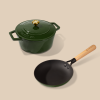



Cast Iron Tawa with Enamel Coating | Non Toxic Dosa Tawa | Pancake Pan | Appam Pan | Paniyaram Pan | Non Toxic Kadai
Titanium Enamel Cast Iron Tawa | Non Toxic Induction Tava - Naturally Non Stick
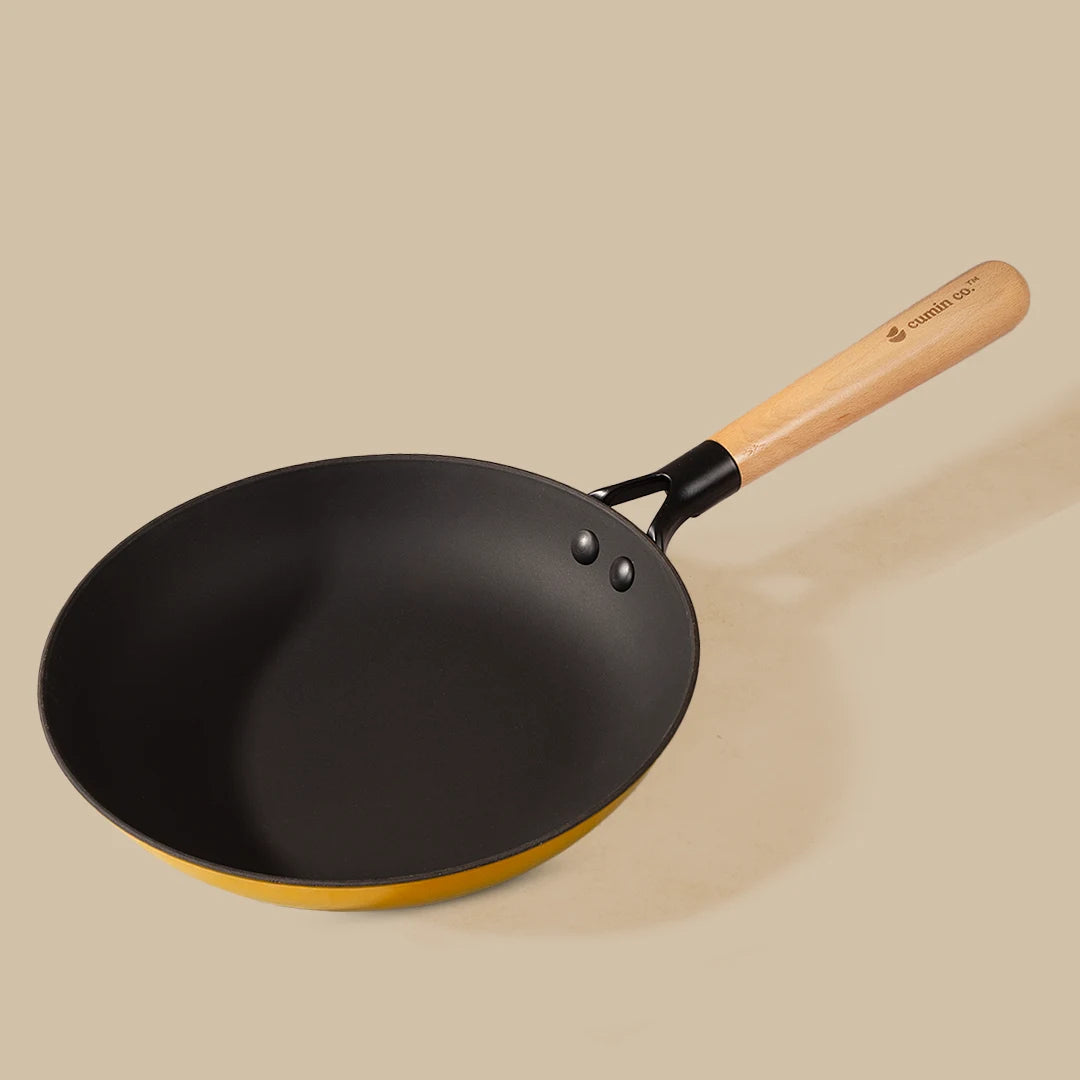
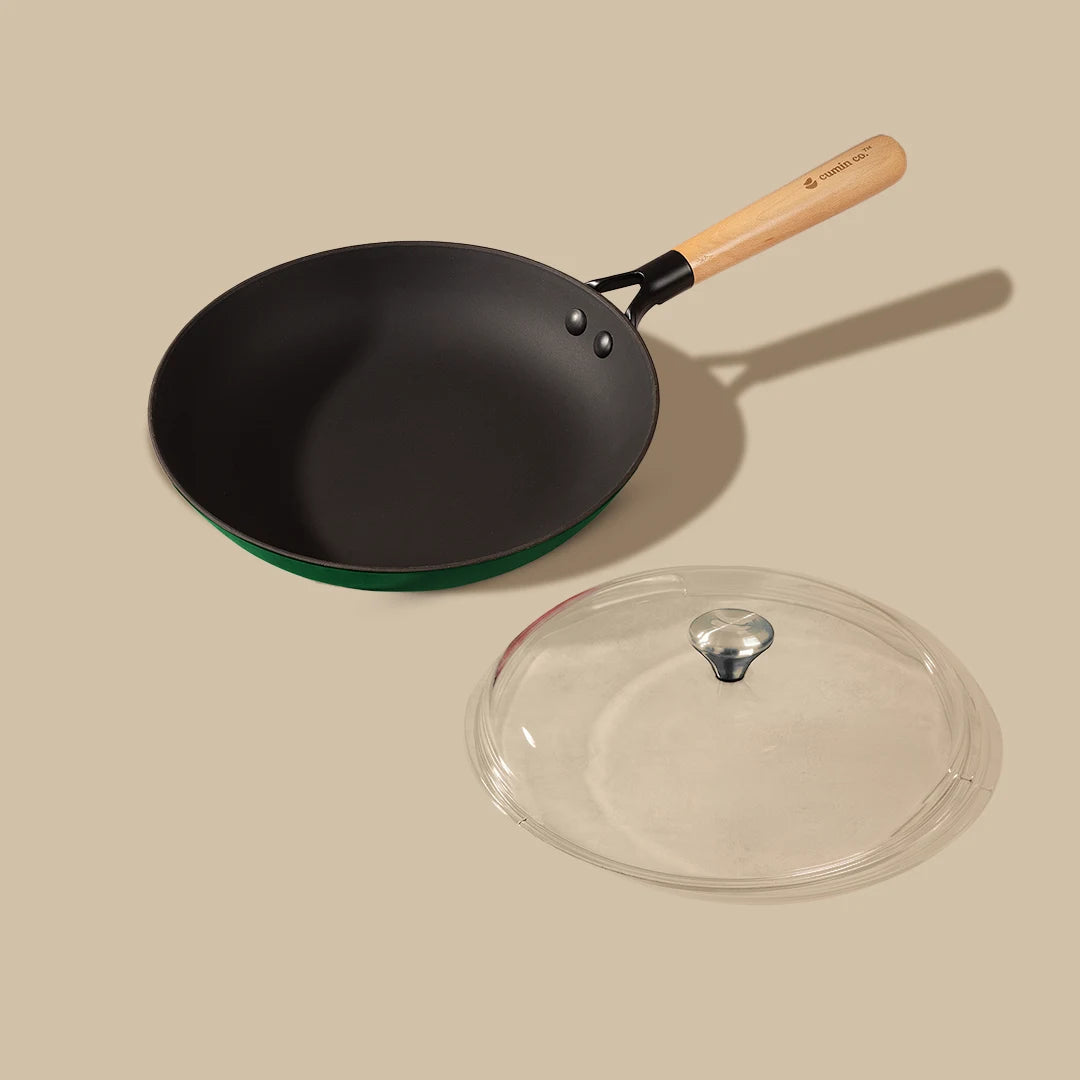
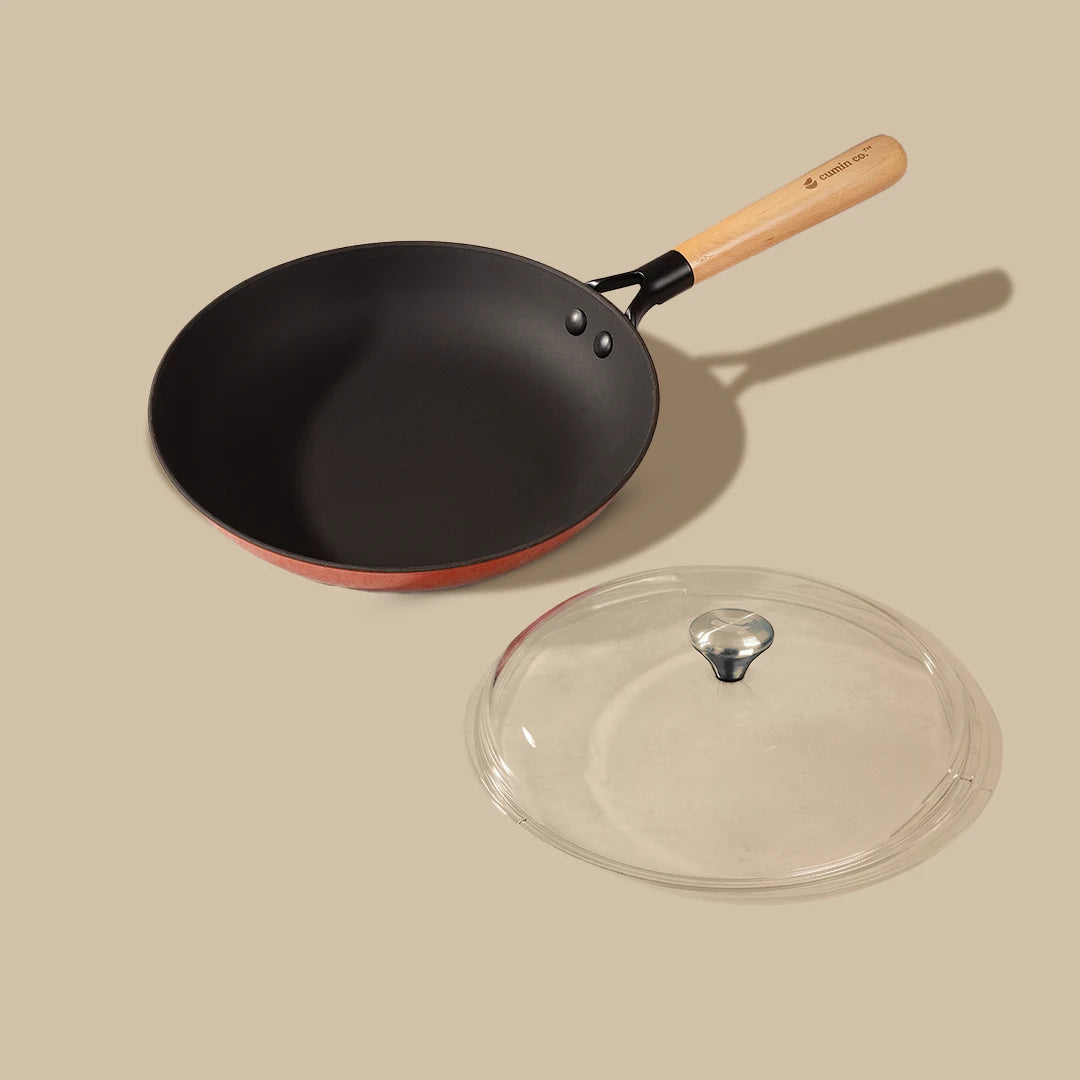
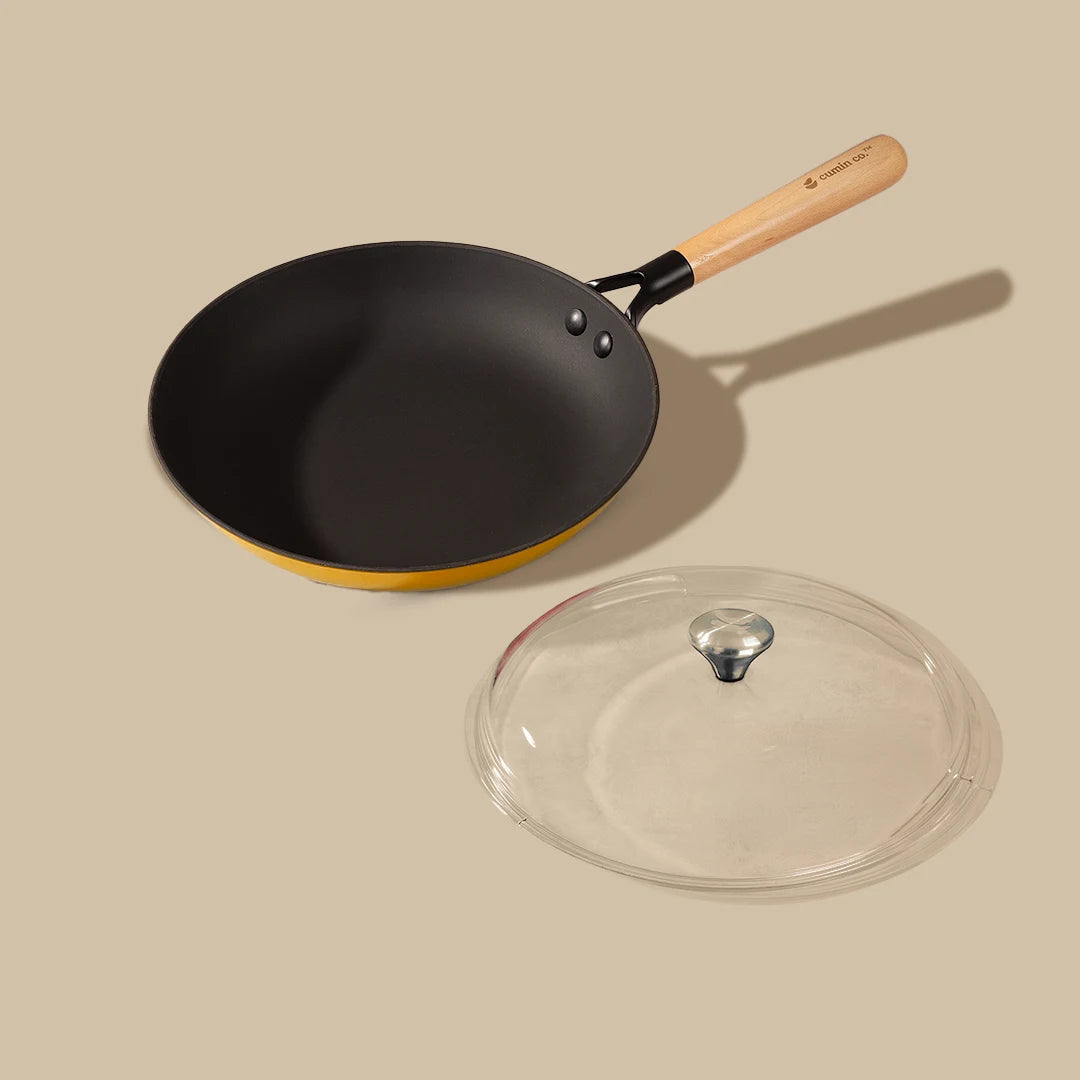
A good cast iron tawa should hold heat well and be easy enough to use every day. Cumin Co.'s Cast Iron Enamel Tawa pairs cast iron's heat retention with a smooth titanium-infused enamel surface, so you get the benefits of cast iron without seasoning, rust or exposed iron.
The range includes roti and dosa tawas in different sizes, with induction-compatible options for modern Indian kitchens.
What Is a Titanium Enamel Cast Iron Tawa?
A titanium enamel cast iron tawa has a cast iron core with a four-layer, titanium-infused enamel surface fused onto it at high temperature.
Unlike conventional non-stick cookware, the surface isn't a sprayed polymer coating. Unlike bare cast iron, it doesn't need a seasoning layer to become usable.
Cumin Co.'s Enviromax™ Pro enamel is a proprietary four-layer formulation protected by three patents.
Why Are These Tawas Genuinely Non Toxic?
A non toxic tawa should be clear about what comes into contact with your food. Cumin Co.'s enamel cooking surface is free from PTFE, PFOA, PFAS, lead, cadmium, mercury and phthalates.
-
Non Teflon Tawa: This is a non Teflon tawa because the cooking surface uses vitrified enamel rather than a PTFE-based coating.
-
PFOA Free Tawa: The enamel surface contains no PFOA. It also avoids other fluorinated non-stick compounds.
-
PFAS Free Tawa: The enamel is mineral-based and contains no PFAS.
-
Lead & Cadmium Free Tawa: Cumin Co.'s enamel colours use mineral-oxide pigments without lead or cadmium.
Special Benefits of Cumin Co.'s Cast Iron Enamel Tawa with Titanium-Infused Enamel
-
Zero seasoning: Cook on it from the first use. There is no seasoning routine.
-
Zero rust: The enamel seals the cast iron, protecting it from moisture.
-
Zero reactivity: Acidic ingredients such as tomato, tamarind and lemon can be cooked directly on the enamel.
-
No metal leaching: Food contacts the fused enamel surface rather than exposed cast iron.
-
Scratch resistant: Titanium infusion strengthens the enamel surface for everyday cooking.
-
Around 40% less oil: The smooth, non-porous surface needs only a thin film of oil for release.
-
Naturally non-stick: Food release comes from the smooth enamel surface and controlled heat, rather than a synthetic coating.
H2: Enamel Tawa vs Bare Cast Iron Tawa vs Non-Stick Tawa
|
Cumin Co. Enamel Tawa |
Bare / Pre-Seasoned Cast Iron |
Non-Stick (PTFE) |
|
|
Seasoning |
Never |
Before first use + periodic |
No |
|
Rust |
Never |
Within days if left wet |
No |
|
Acidic food (tomato, imli, lemon) |
Safe |
Strips seasoning, metallic taste |
Safe |
|
Milk-based batters |
Safe |
Can react |
Safe |
|
Fat needed for release |
Light film |
Heavier, surface is porous |
Minimal |
|
PTFE / PFOA / PFAS |
None |
None |
Coating is PTFE-based |
|
Lead & cadmium |
None |
None |
Varies by brand |
|
Heat retention |
Excellent |
Excellent |
Poor |
|
Warps over time |
No |
No |
Common in thin bases |
|
How it eventually fails |
Chipped rim from impact or thermal shock |
Rust or stripped seasoning |
Coating lifts at centre, 1–2 years |
|
Warranty |
10 years Classic / 5 years LITE |
Varies |
1–2 years typical |
How Does the Naturally Non Stick Surface Work?
A naturally non-stick tawa works best with the right heat. Preheat on medium for 2–3 minutes before cooking. A light film of oil or ghee is enough for most foods.
Avoid overheating the surface. If water disappears instantly, the tawa is too hot.
Which Tawa Size Should You Choose?
Choose your cast iron enamel tawa based on what you cook most often.
|
Product |
Size |
Weight |
Best For |
|
26cm |
1.4kg |
Rotis, parathas, omelettes; smaller households |
|
|
28cm |
2.2kg |
Dosas, uttapams, rotis |
|
|
30cm |
2.5kg |
Large dosas and batch cooking |
The Cast Iron Enamel Tawa LITE is 30% lighter than the standard 26cm model, making it easier to handle daily.
Cooktop Compatibility
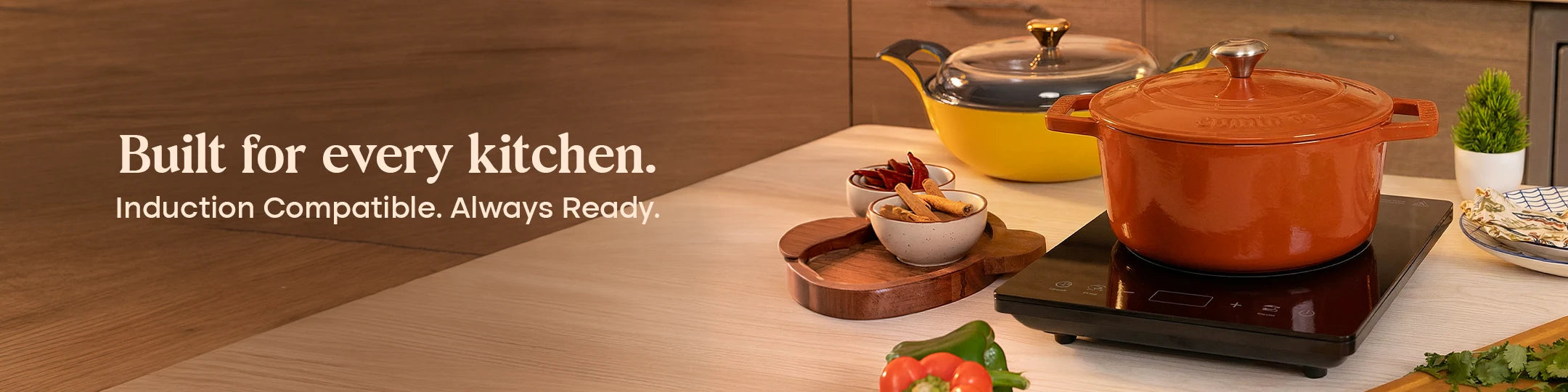
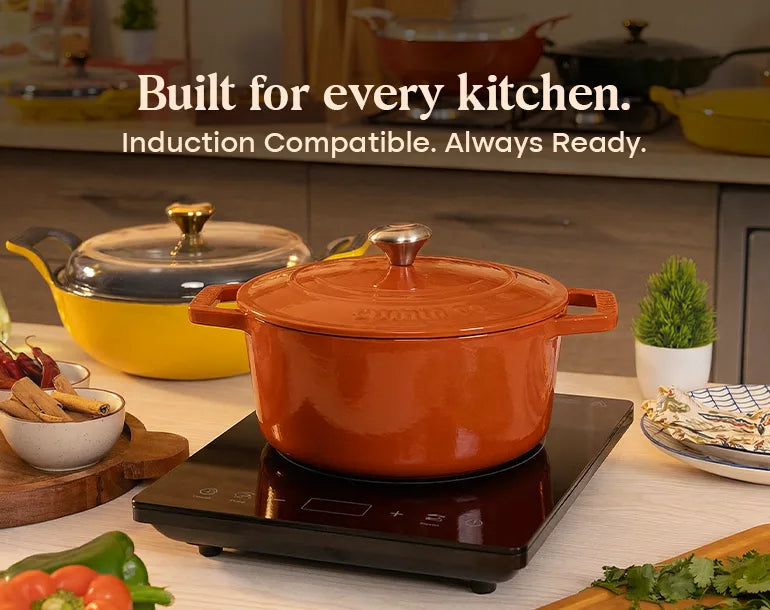
The Cast Iron Enamel Tawa 28cm and 30cm dosa models are compatible with both gas and induction cooktops.
The 26cm Cast Iron Enamel Tawa and Cast Iron Enamel Tawa LITE are designed for gas cooking.
These tawas are not oven-safe, microwave-safe or dishwasher-safe.
Our Cast Iron Enamel Tawa Range
|
Product |
Size |
Weight |
Warranty |
Price |
|
26cm |
1.4kg |
5 years |
₹2,999 |
|
|
28cm |
2.2kg |
10 years |
₹3,499 |
|
|
30cm |
2.5kg |
10 years |
₹4,099 |
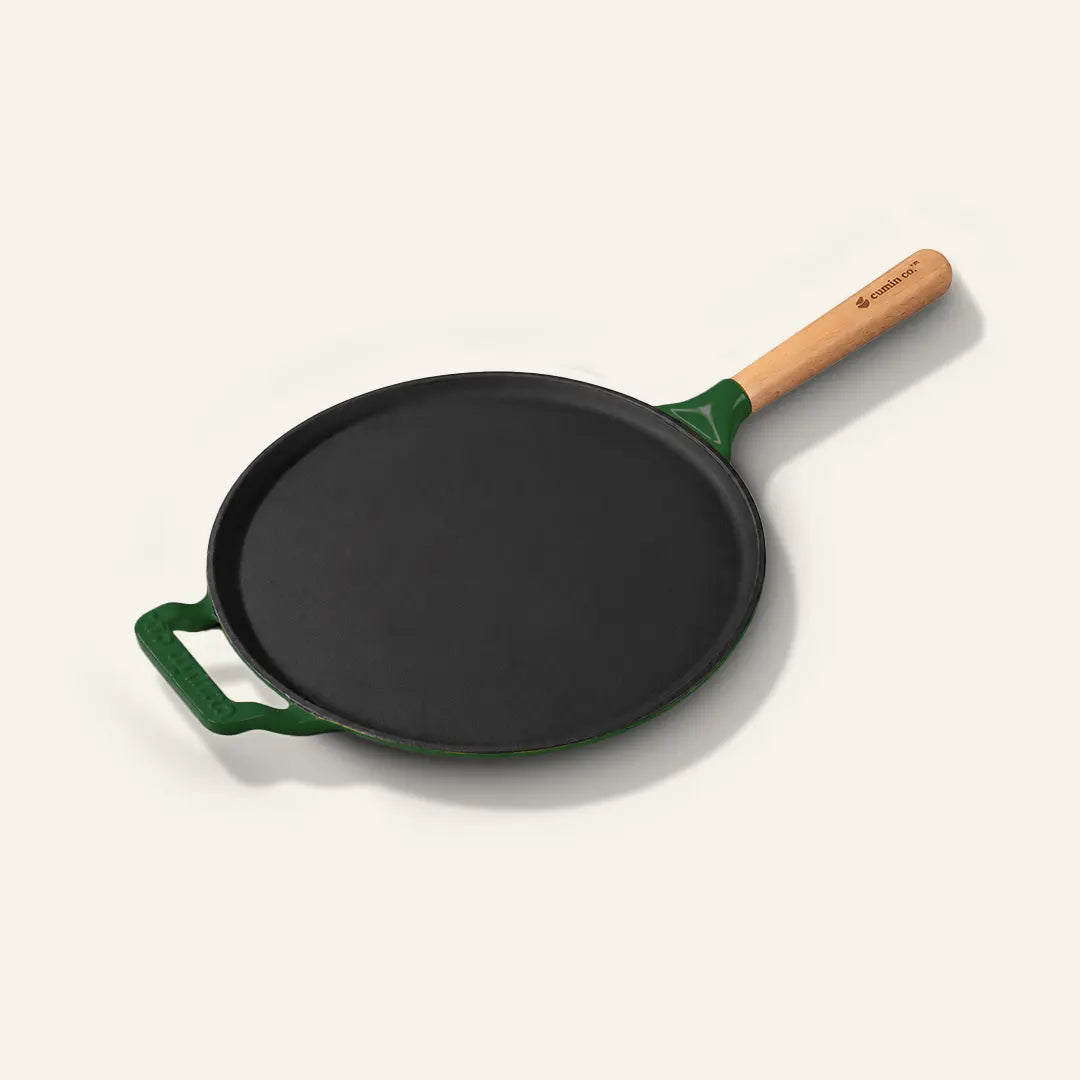
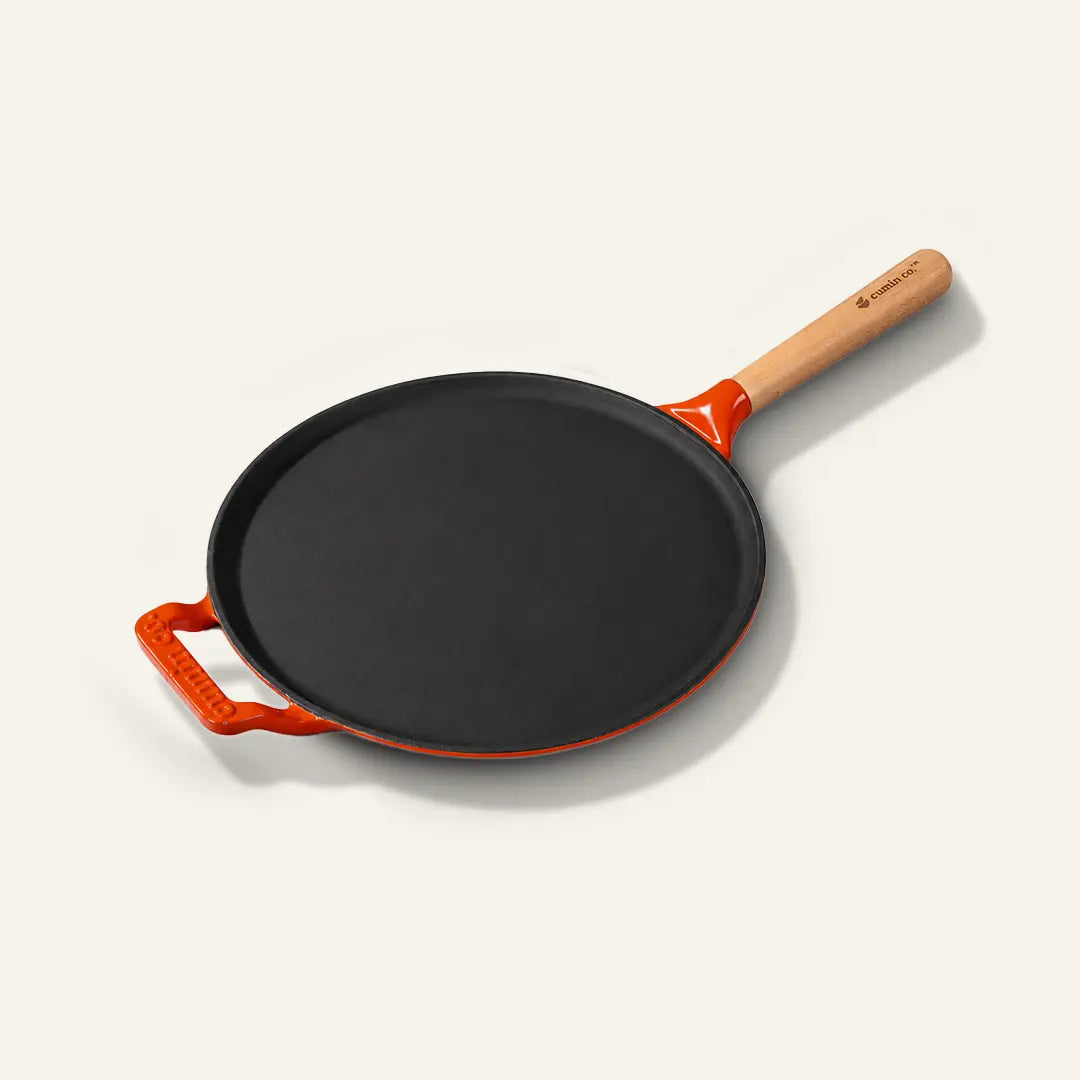
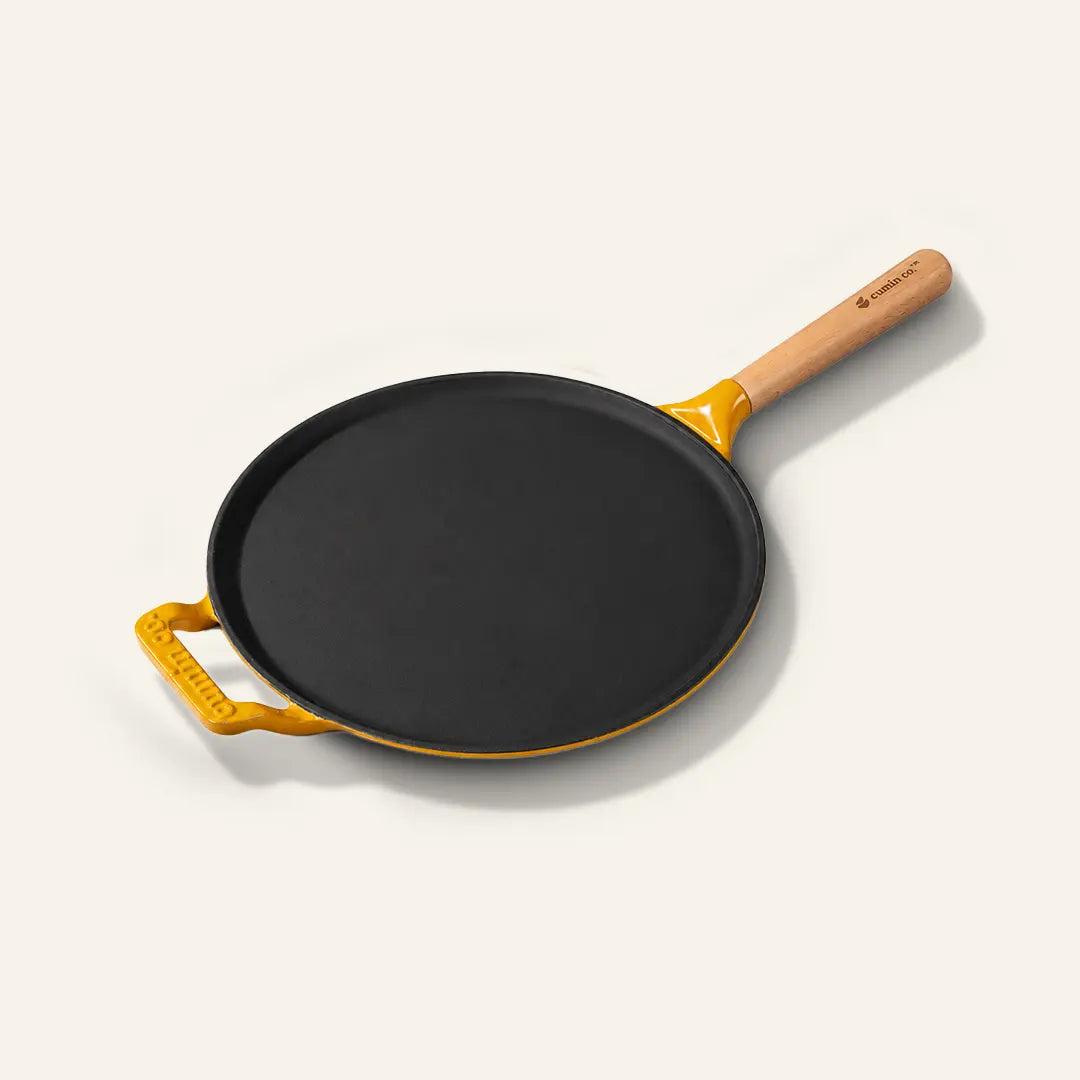
The tawas are available in Cumin Co.'s enamel colours, depending on the model.
What Can Be Made on These Tawas?
A roti tawa can handle much more than rotis.
Use it for:
-
Rotis, chapatis, phulkas and parathas
-
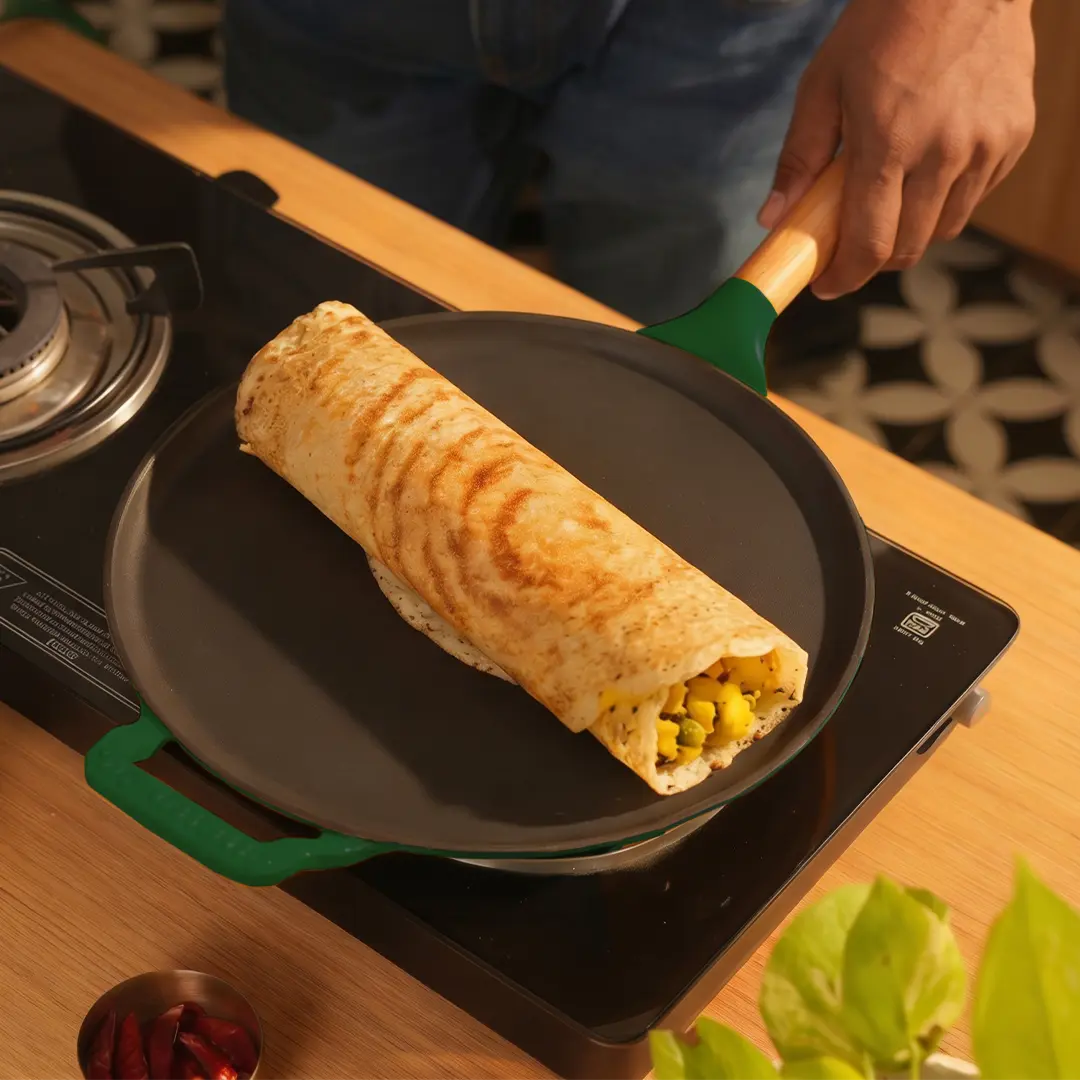
Dosas, uttapams and rava dosas
-
Omelettes and egg bhurji
-
Besan, ragi, jowar and bajra chillas
-
Paneer, tikkis, cutlets and papad
-
Dry roasting jeera, methi, peanuts and whole spices
How to Use and Care for Your Enamel Tawa
First use: Rinse, dry and cook. No seasoning is required.
Preheating: Heat on medium for 2–3 minutes. Avoid leaving the empty tawa on full flame.
Utensils: Wood and silicone are recommended for everyday cooking.
Cleaning: Let the tawa cool, then wash with warm water, dish soap and a non-abrasive sponge.
Thermal shock: Don't run cold water over a hot tawa. Let it cool first.
Storage: No oiling is required. Store it dry.
Why Buy a Cast Iron Enamel Tawa from Cumin Co.?
Cumin Co.'s Enviromax™ Pro enamel is certified to US FDA, Germany's LFGB and EU EC 1935/2004 food-contact standards. The enamel formulation is protected by three patents.
The Cast Iron Enamel Tawa comes with a 10-year warranty. The Cast Iron Enamel Tawa LITE comes with a 5-year warranty.
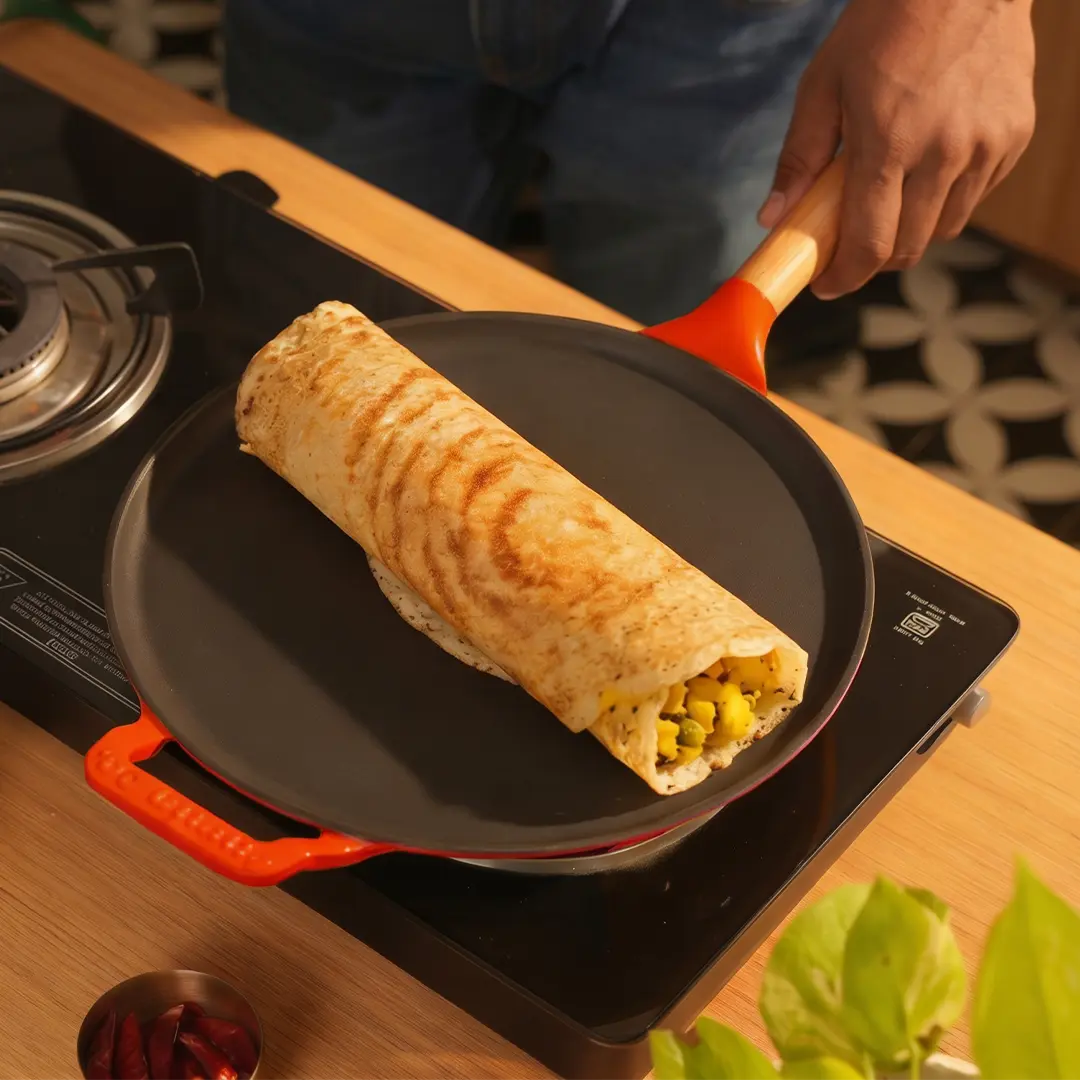
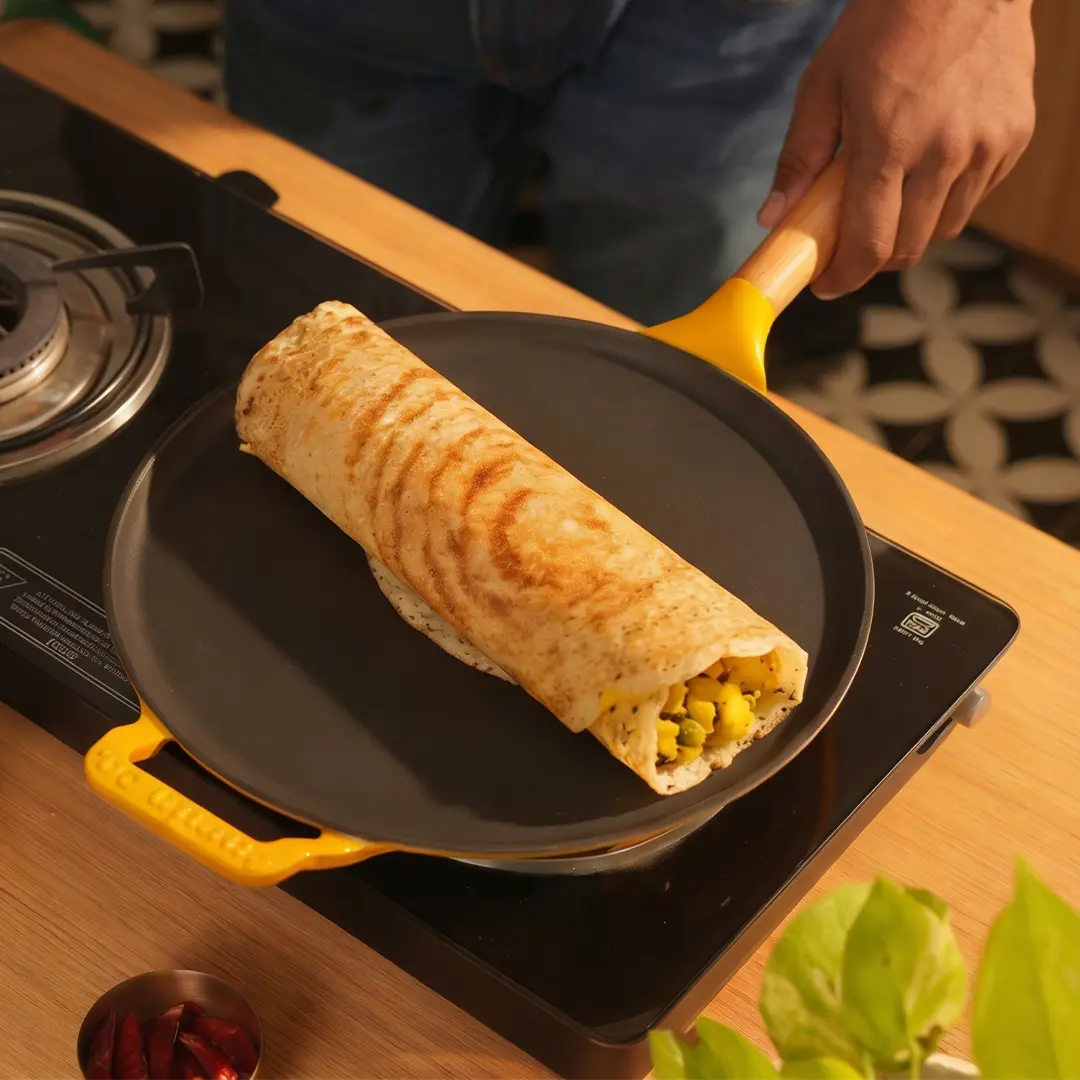
Thoughtfully Curated products that complete your kitchen
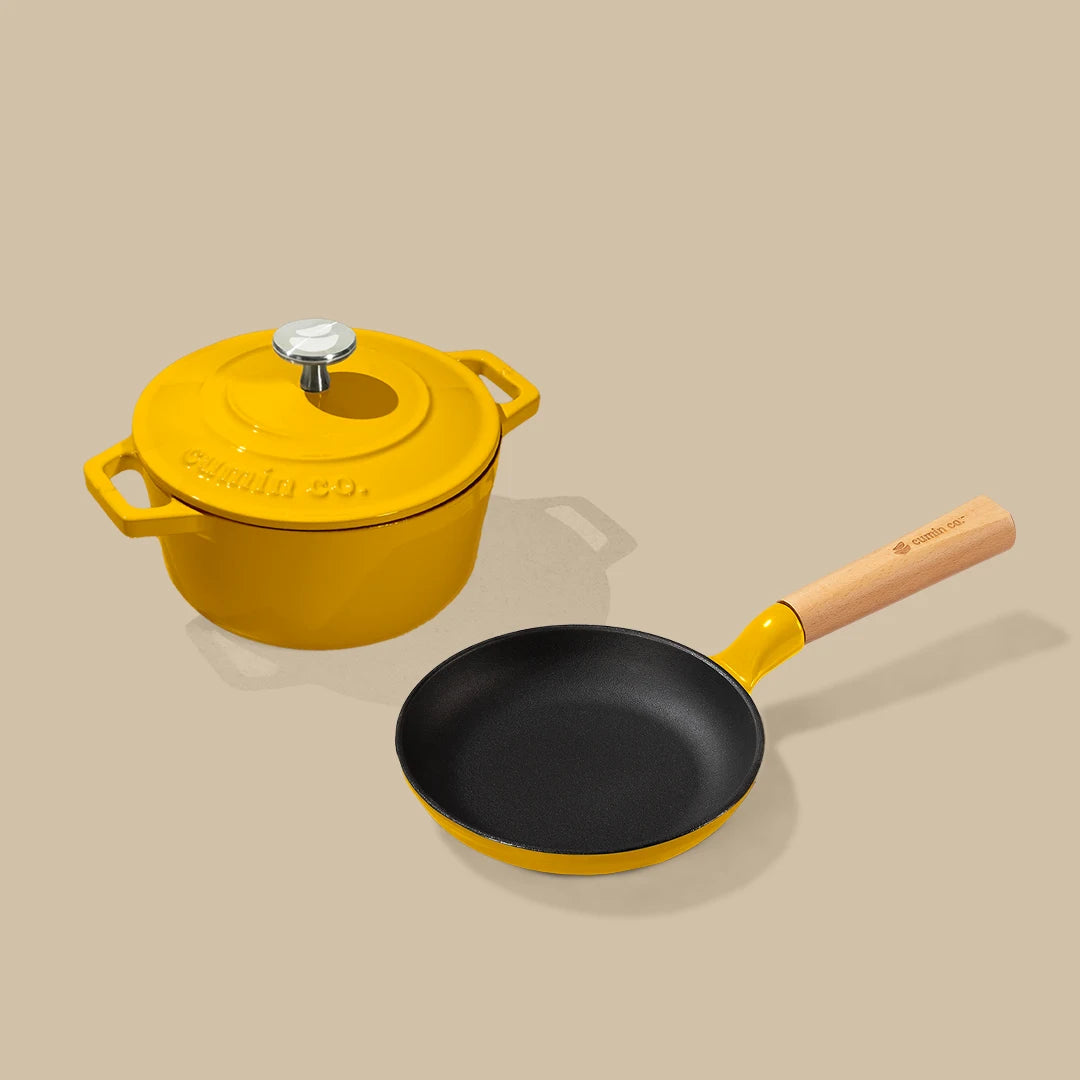
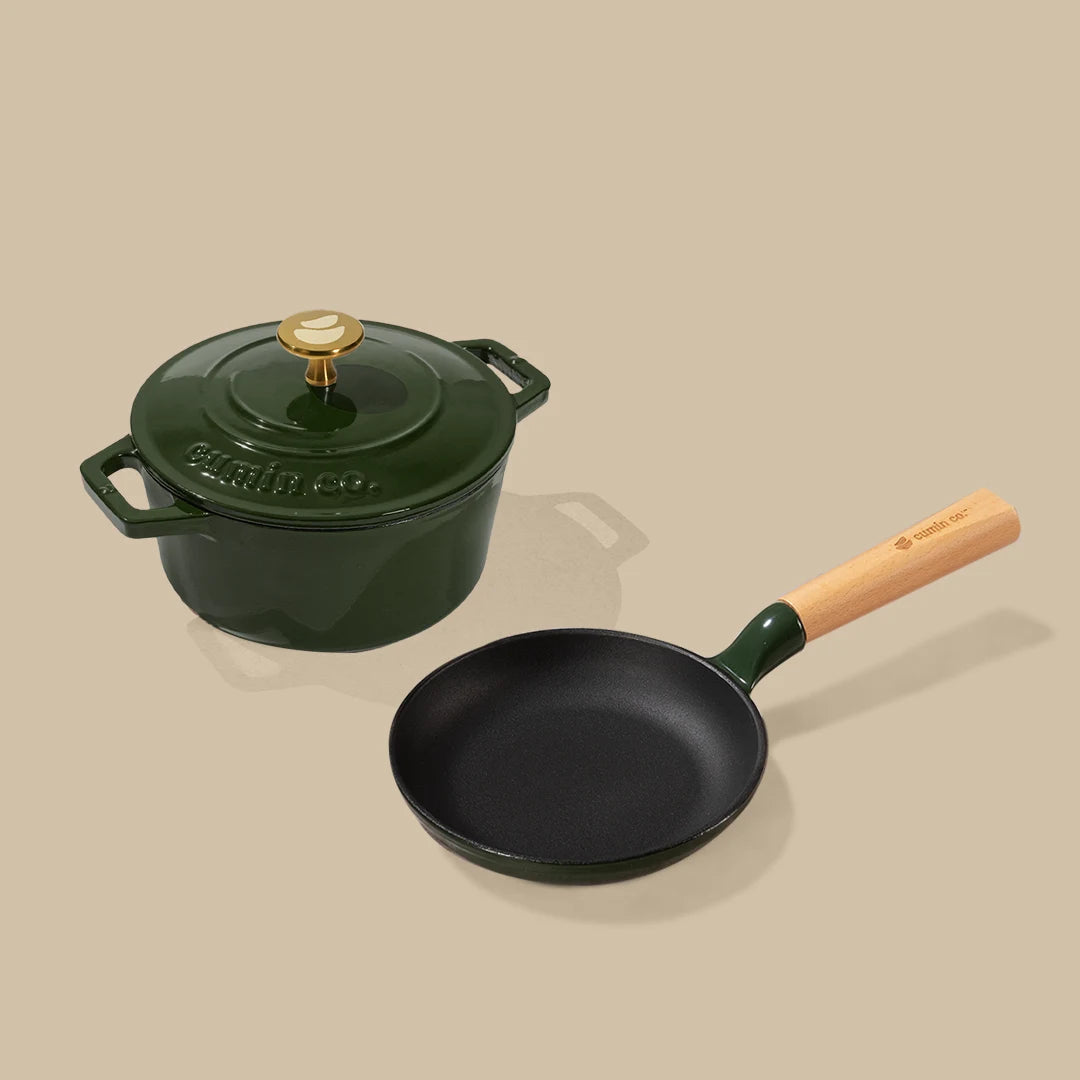


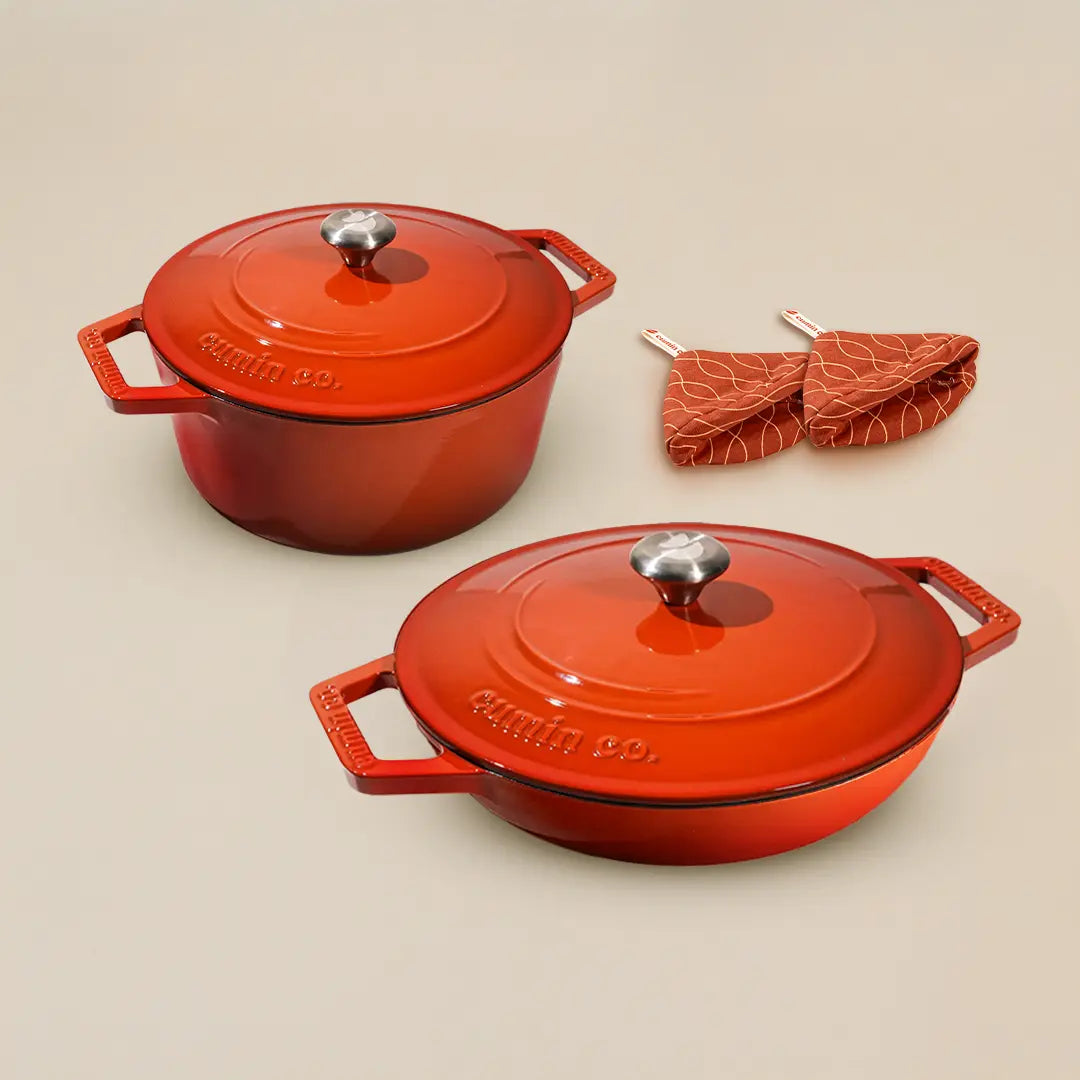
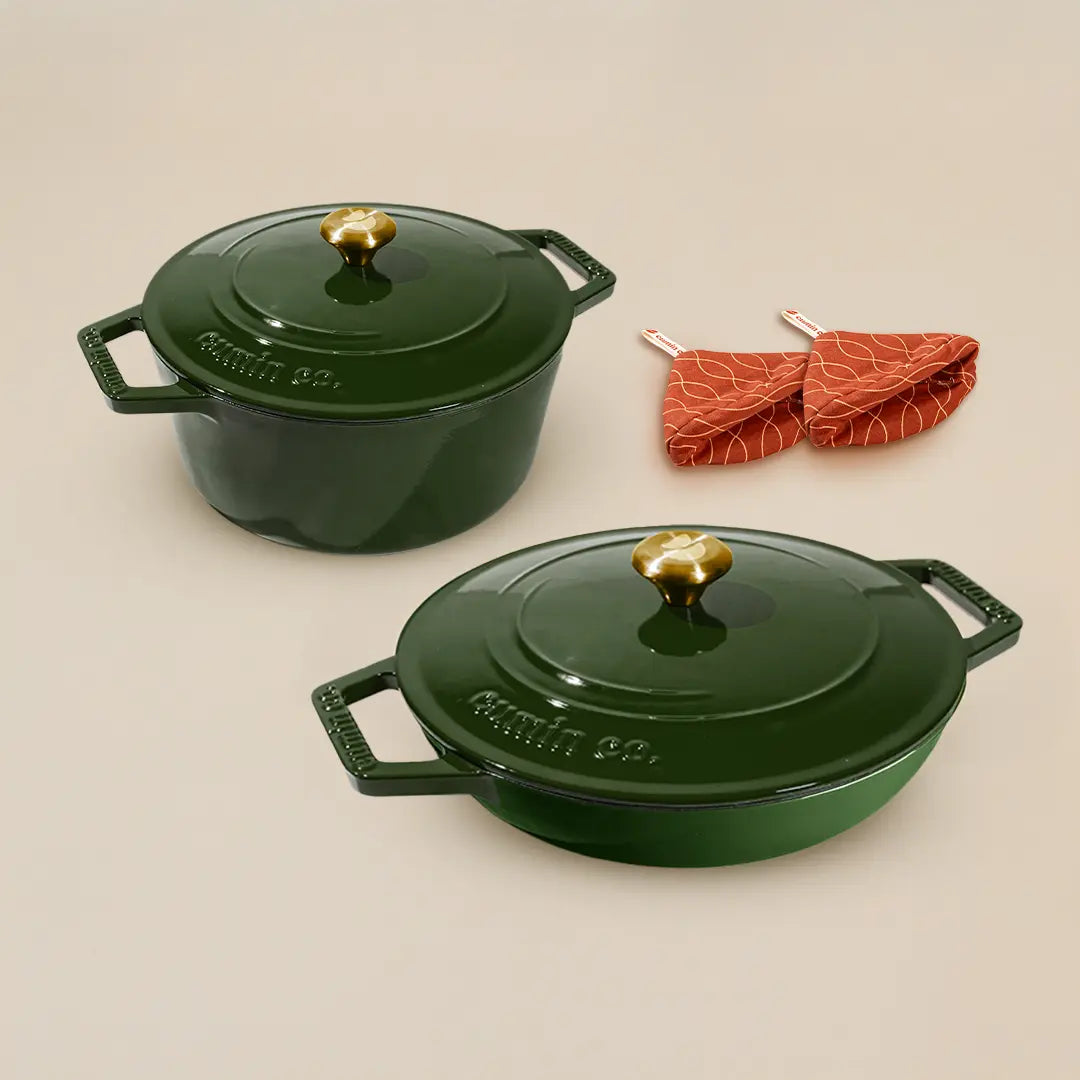

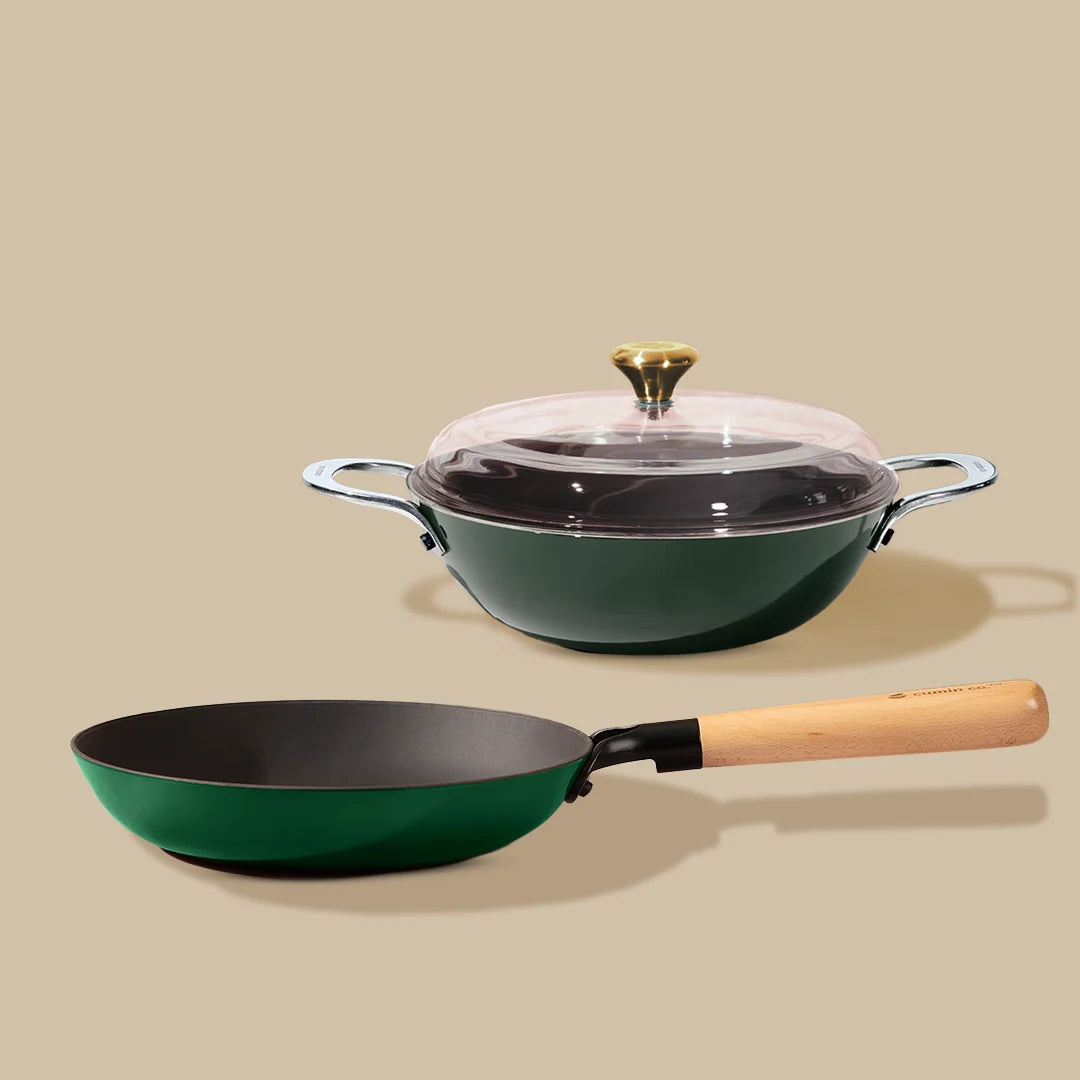
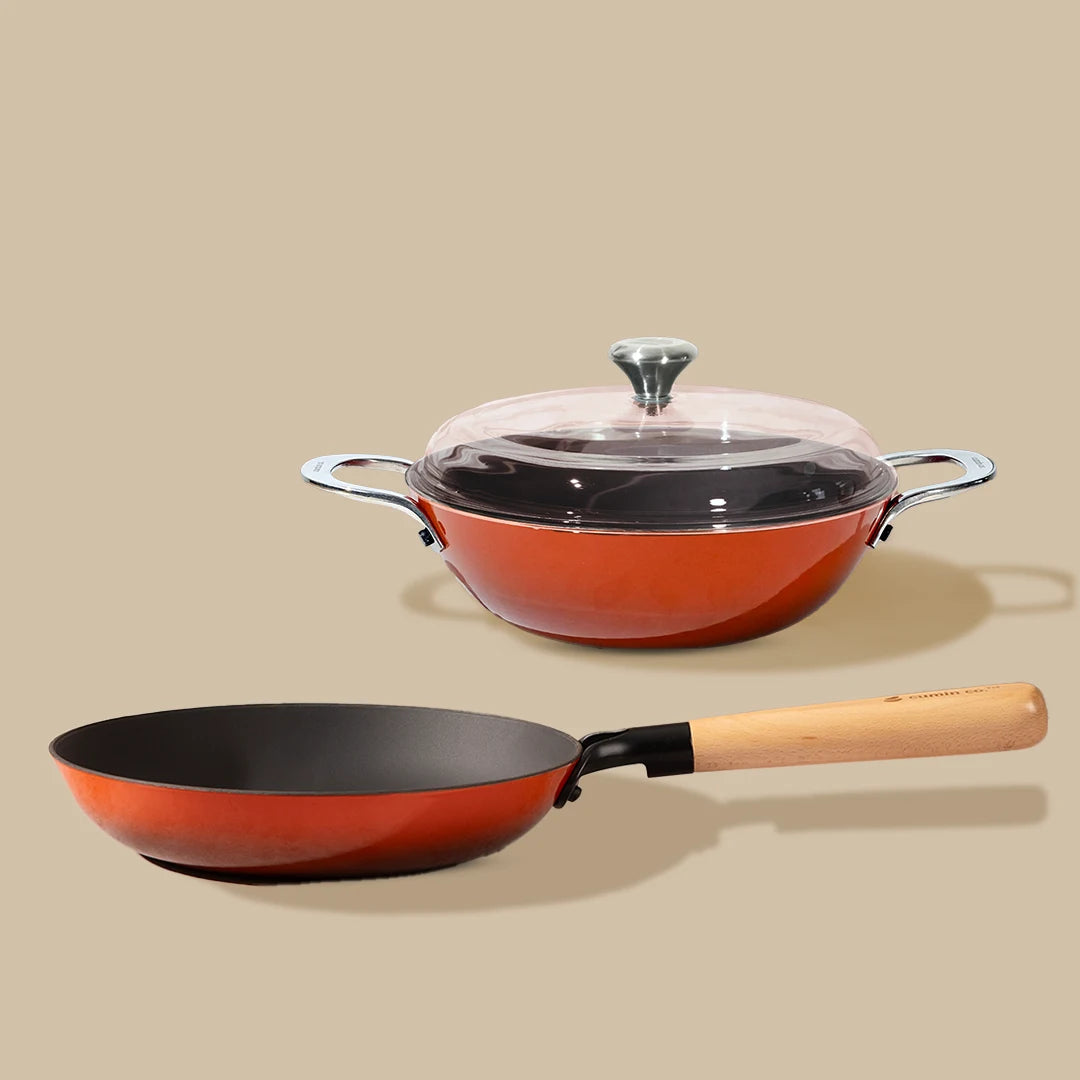

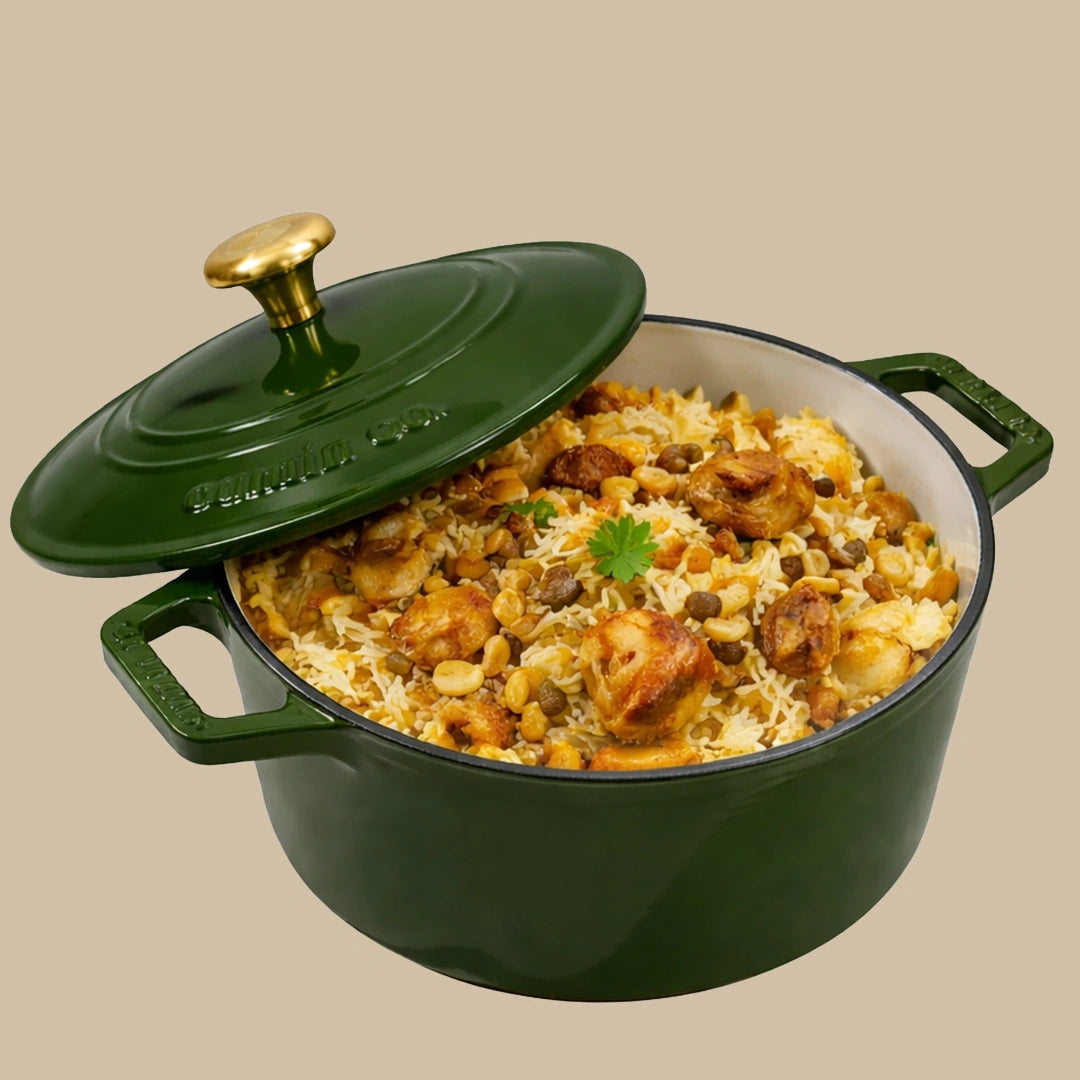
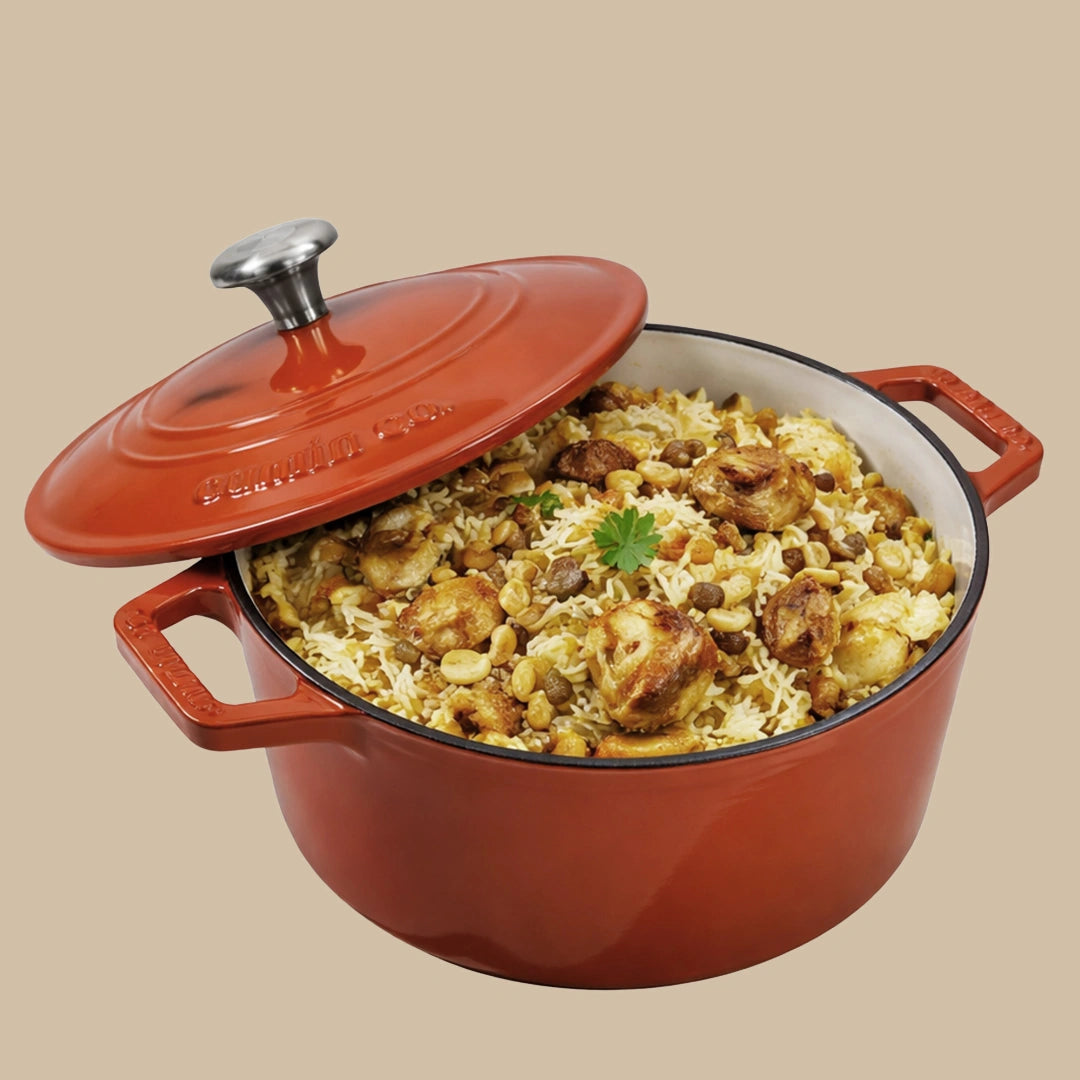
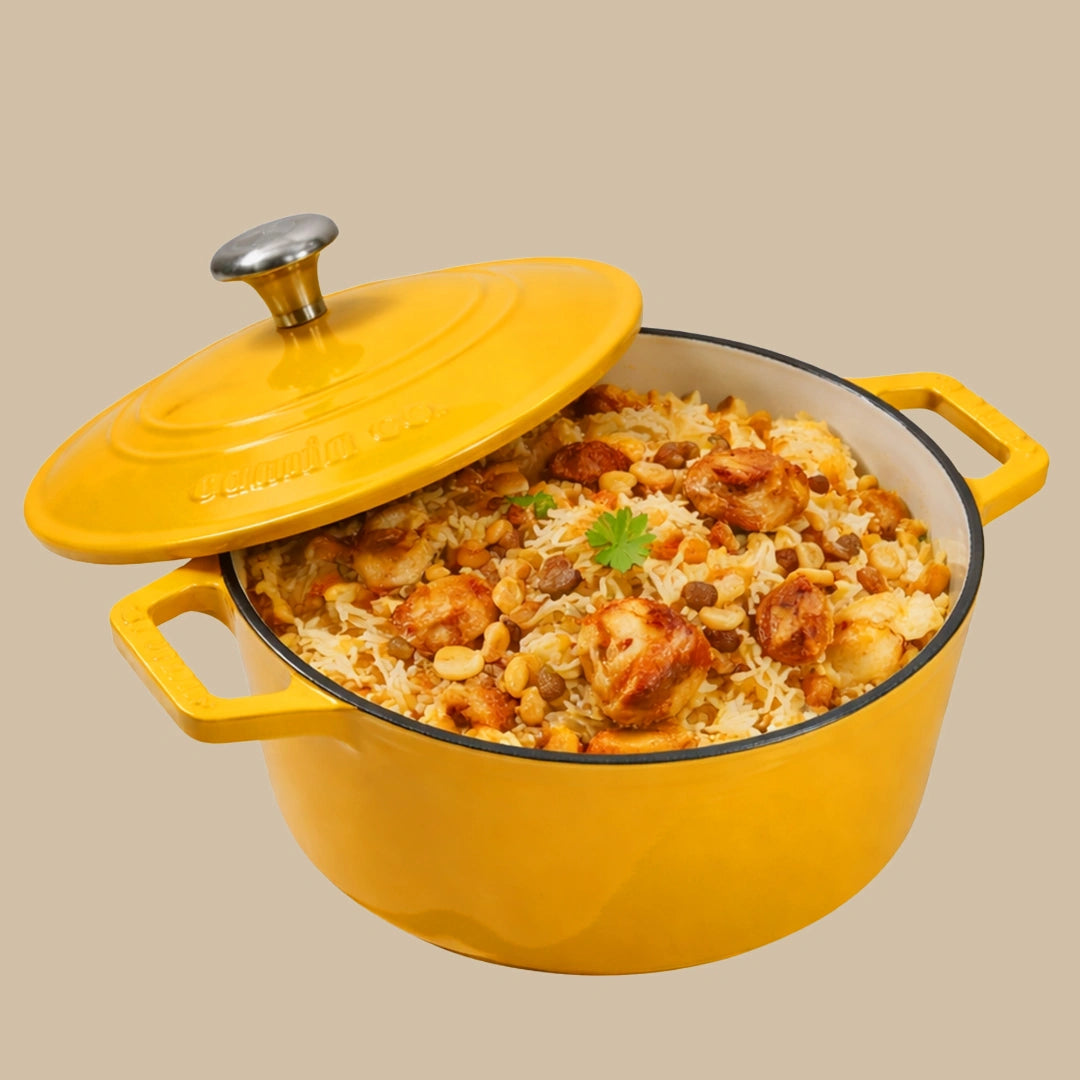
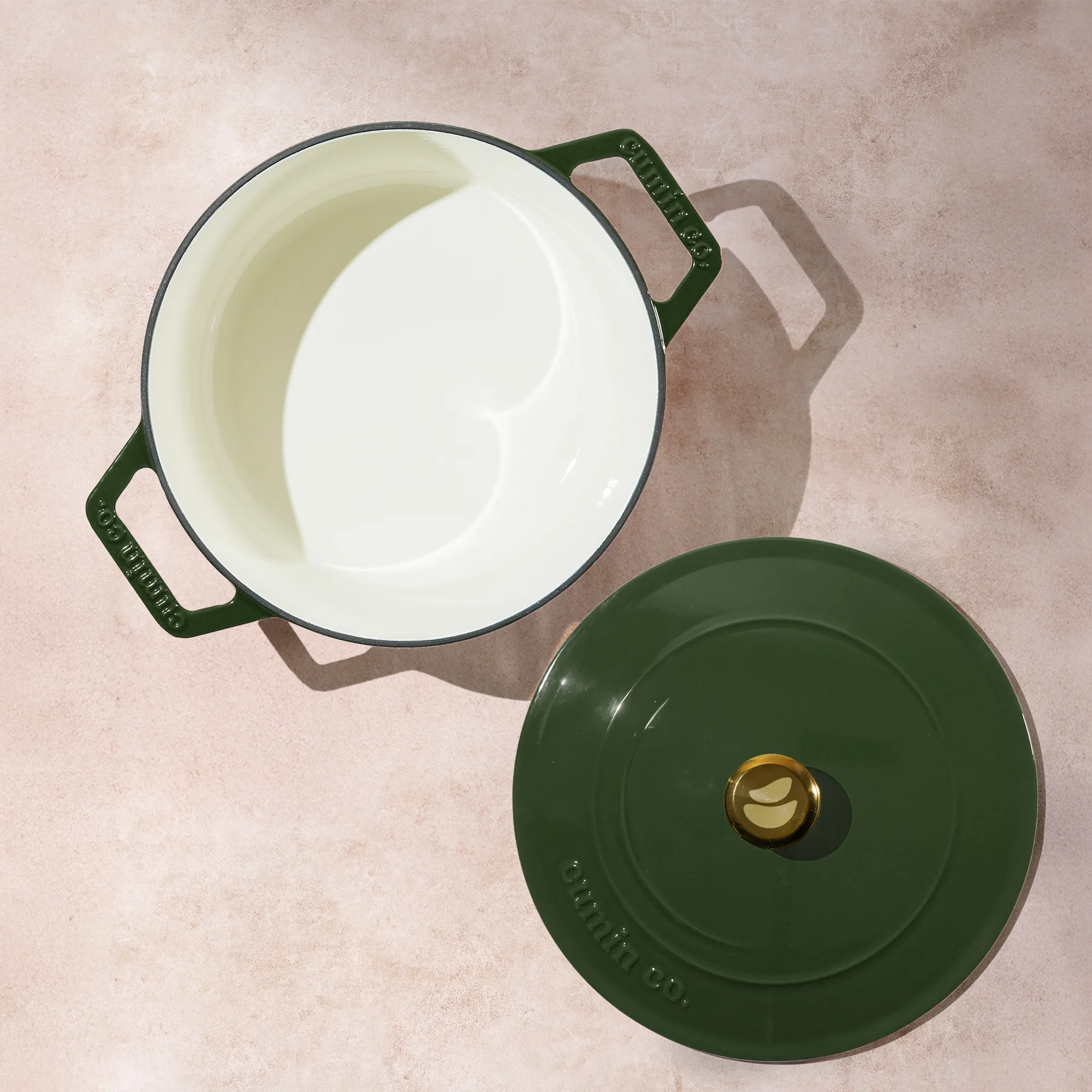
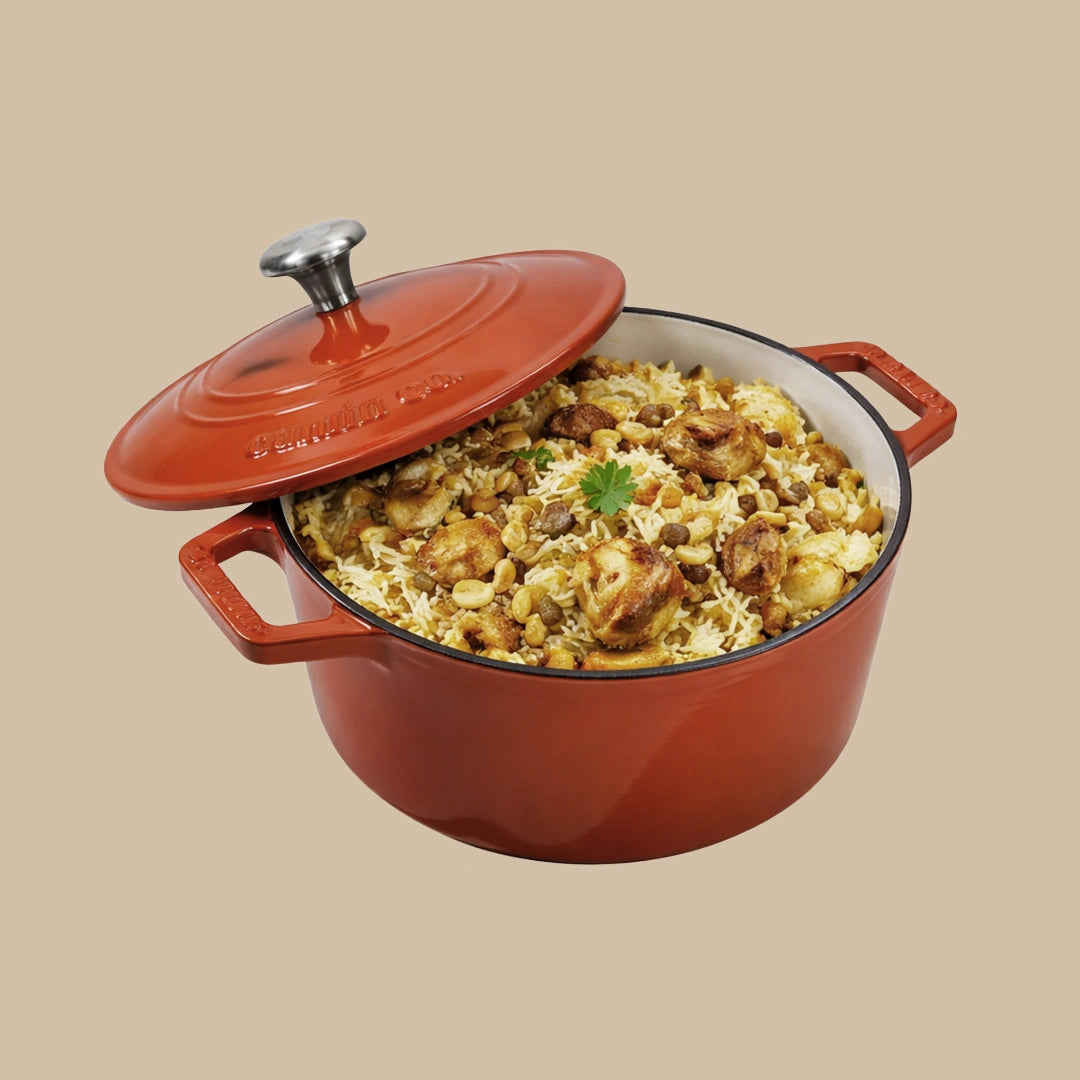
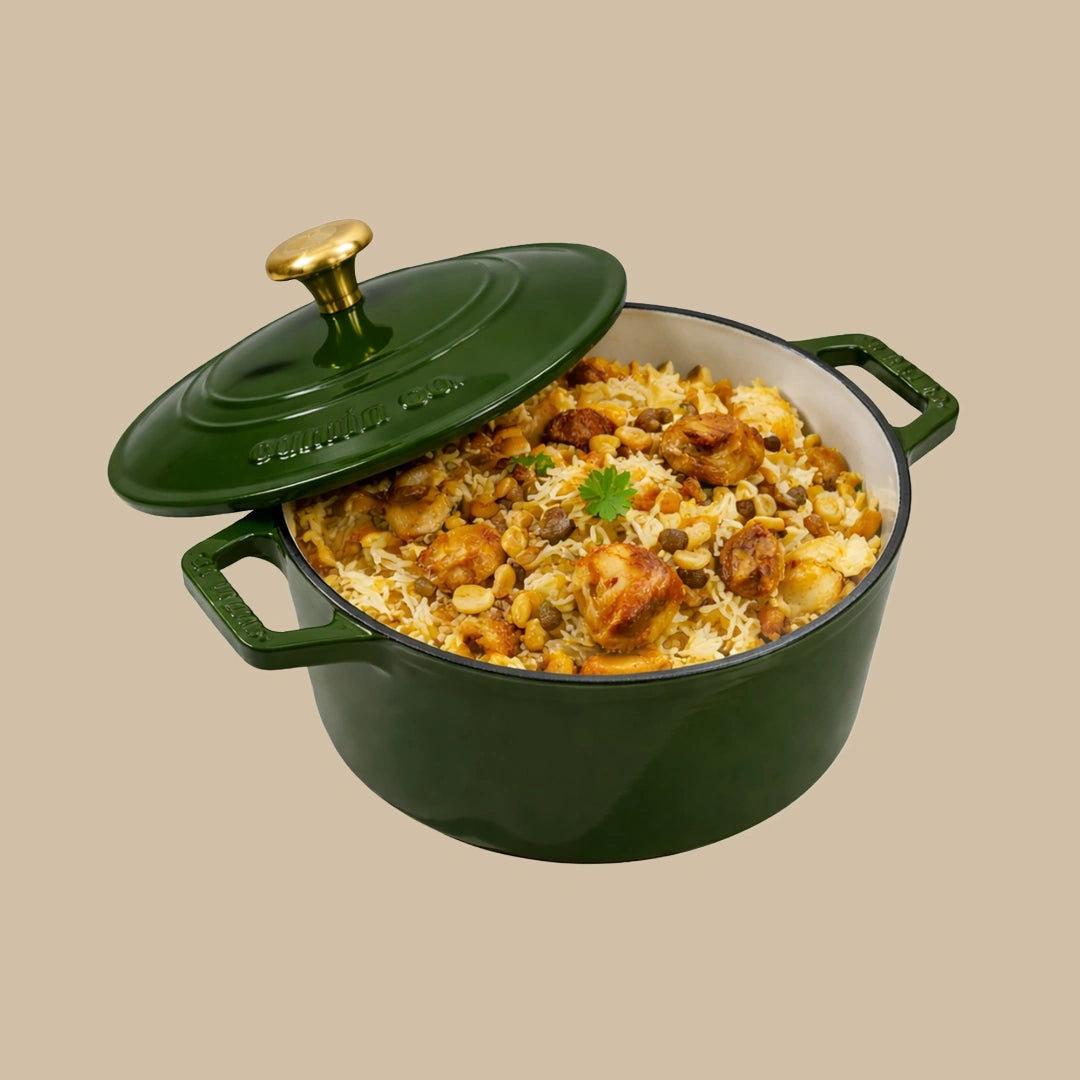
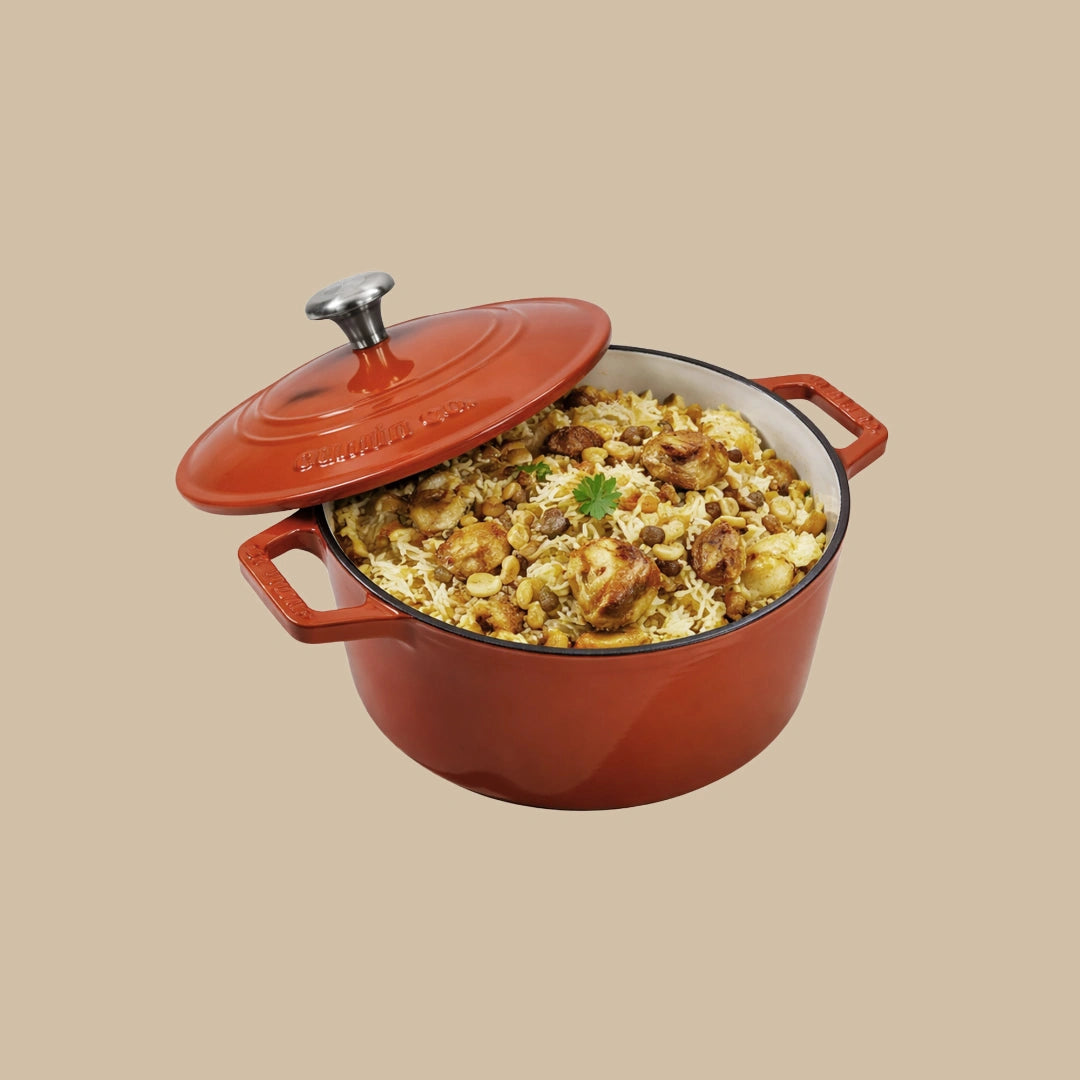
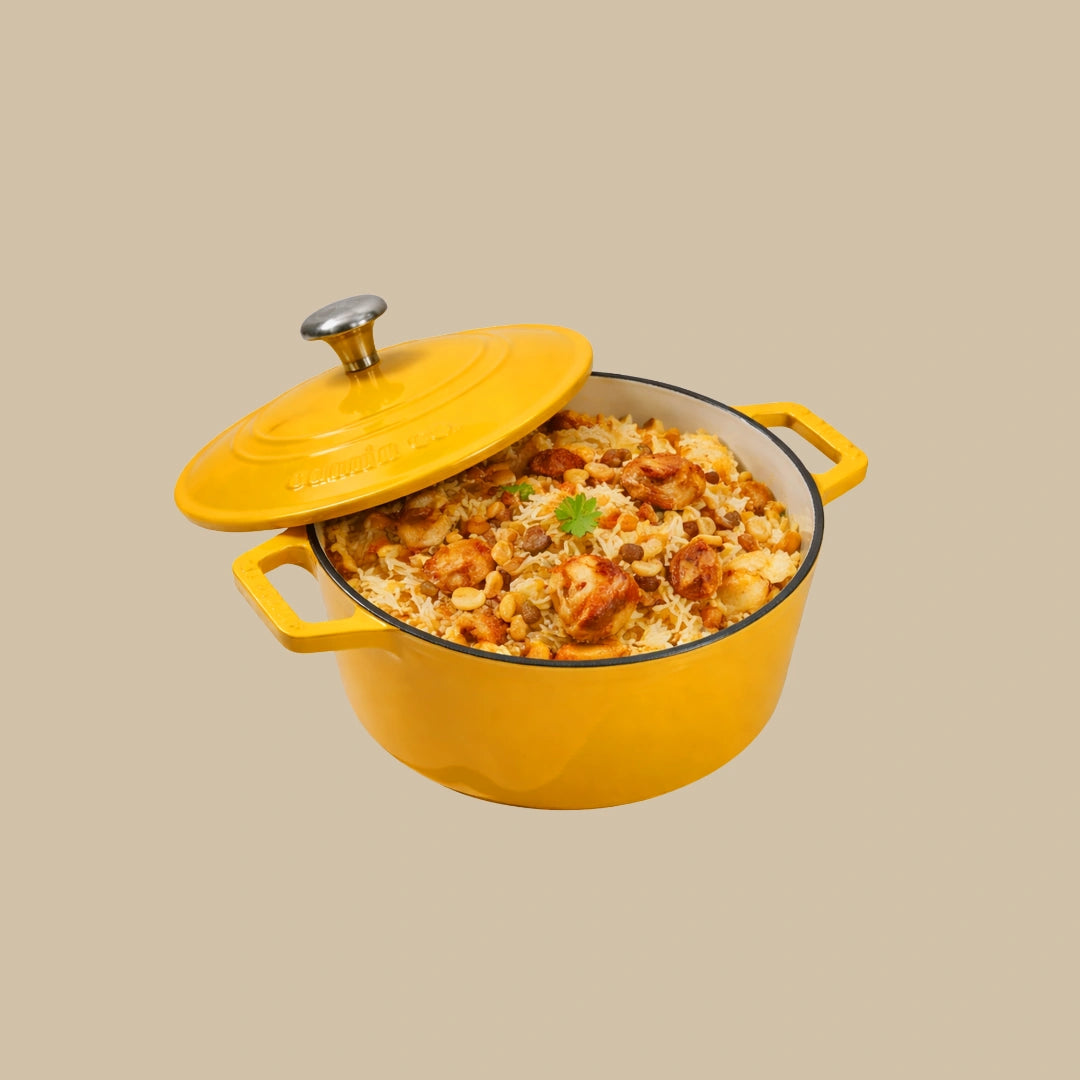
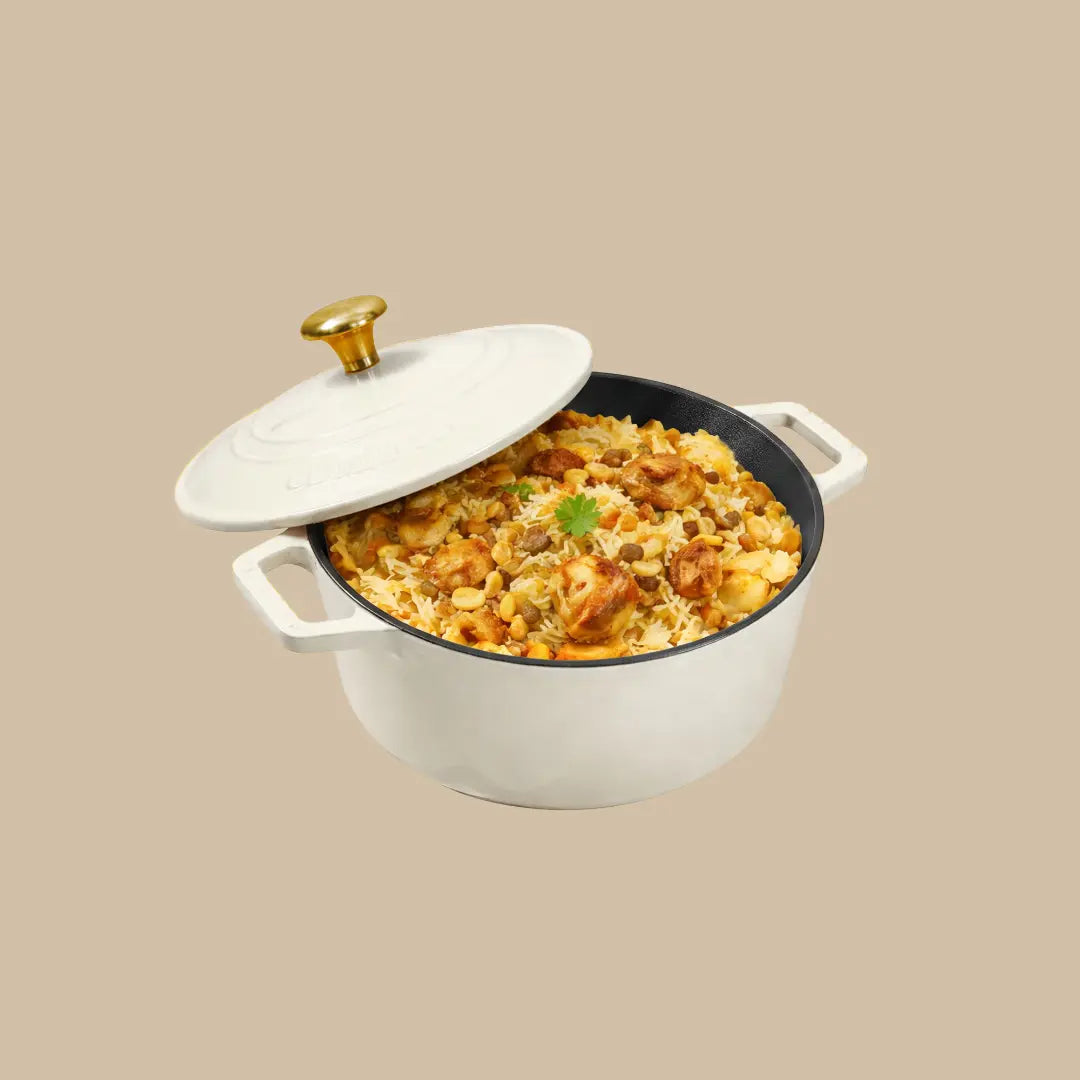
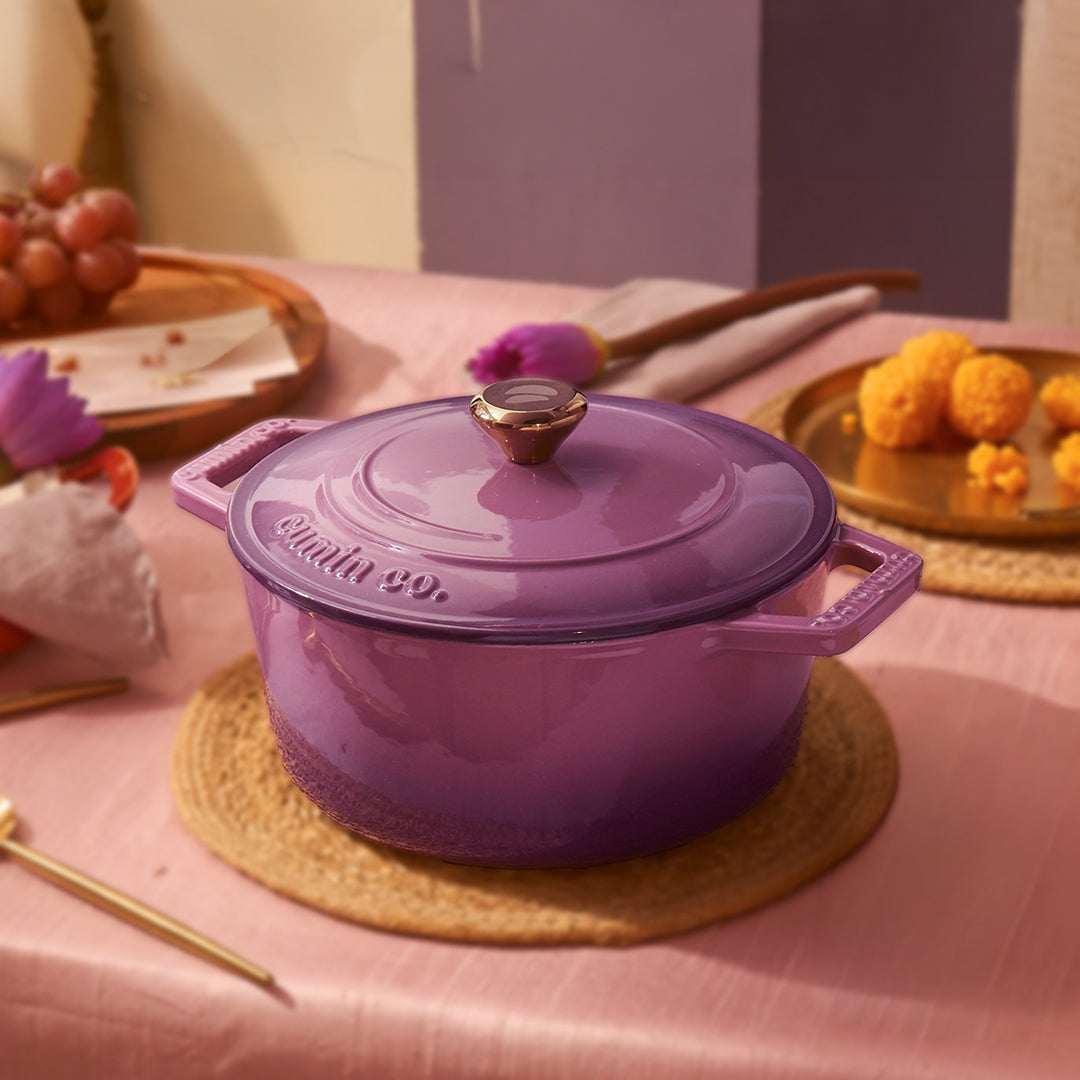
Buy Dutch Oven - Enameled Cast Iron Dutch Oven for 100% Toxin Free Cooking
Some cookware gets used for a few months and then gets forgotten at the back of the shelf. This is not that cookware.
A Dutch Oven becomes part of the way you cook. Slow Sunday curries. Rice that doesn’t stick. Bread with a crackling crust. One-pot dinners that somehow taste better the next day.
At Cumin Co., our enameled cookware is designed for everyday Indian cooking without the toxins, peeling coatings, or constant worry of replacing your cookware. Built with thick cast iron and finished with durable enamel layers, it holds heat beautifully and cooks evenly from edge to centre.
The kind of cookware you buy once and keep reaching for again and again.
What is a Dutch Oven & Why It’s a Must-Have Cookware
What is a Dutch Oven Pot?
A Dutch Oven is a heavy, thick-walled cooking pot with a tight-fitting lid, traditionally made using cast iron. Unlike regular pots that heat quickly and cool just as fast, it’s built to retain steady heat for longer cooking.
Curries simmer deeper. Rice cooks evenly. Meat turns tender without rushing the process. Even vegetables caramelise better because the heat stays consistent instead of fluctuating every few minutes.
Most regular cookware works for quick meals. A Dutch Oven cookware piece cooks patiently.
Why Chefs & Home Cooks Prefer Dutch Oven Cookware
Versatility is the real reason people keep one on the stove all year round.
You can sauté onions, slow cook dals, bake bread, roast vegetables, fry snacks, or finish dishes directly inside the oven. One pot. Less cleanup. Enhanced flavour.
The heat retention also makes a noticeable difference. Food stays warm longer after cooking, which matters during family meals where conversations usually outlast dinner.
And honestly, there’s something deeply satisfying about cooking everything in one solid pot that feels built to last decades.
Why Choose Enameled Cast Iron Dutch Oven Over Other Cookware
Cast Iron Dutch Oven vs Non Stick Cookware
Non-stick cookware often relies on synthetic coatings that wear down over time. Once scratched or overheated, performance drops quickly.
A cast iron Dutch Oven works differently. No fragile coating. No peeling surface after a year of use.
It’s heavier, yes. But that weight is what helps it cook evenly and stay dependable for years instead of months.
Dutch Oven vs Stainless Steel Pot
Stainless steel heats quickly, but it also loses heat fast. That’s useful for some recipes. Not ideal for slow cooking.
A Dutch Oven pot holds stable heat much longer, making it better suited for biryanis, stews, braises, gravies, and slow-cooked recipes where flavour develops gradually.
You spend less time adjusting the flame and more time letting the cookware do its job.
Enameled Cast Iron vs Raw Cast Iron Dutch Oven
Traditional raw cast iron needs seasoning and careful maintenance to avoid rust.
An enameled cast iron Dutch Oven gives you the same heat retention without the extra upkeep.
No seasoning routine. No worrying about acidic foods. No rusting after washing.
Just cook, clean, and use it again tomorrow.
Key Features of Cumin Co. Enameled Cast Iron Dutch Oven
100% Toxin-Free & Safe Cooking
No PFOA. No PTFE. No lead. No cadmium.
Just clean cooking surfaces designed for people trying to move away from questionable coatings and disposable cookware habits.
Food tastes the way it should. Nothing extra added to it.
Superior Heat Retention & Even Cooking
The thick walls trap and distribute heat evenly, helping avoid hot spots that burn food unevenly.
Perfect for slow cooking rajma, simmering gravies for hours, baking sourdough, or making rich stews that need gentle heat over time.
Even after the flame is off, the pot continues holding warmth surprisingly well.
Oven Safe & Multi-Cooking Compatible
A cast iron Dutch Oven in oven cooking works beautifully because the material handles high temperatures without warping.
Use it on:
-
Gas stove
-
Induction cooktop
-
OTG
-
Conventional oven
From stovetop to oven to table, it transitions effortlessly as a cookware and serveware.
Durable Enamel Coating (No Seasoning Required)
The enamel on cast iron Dutch Oven surfaces creates a smooth, durable cooking interior that’s beginner-friendly and easy to maintain.
You get the strength of cast iron without the intimidating maintenance routines people usually associate with it.
Tight-Fitting Lid for Moisture Locking
The lid seals in steam while cooking, keeping food moist and flavourful.
That matters especially for:
-
Slow-cooked curries
-
Dum biryani
-
Braised vegetables
-
Bread baking
-
Long-simmering gravies
Less moisture escapes. More flavour stays inside.
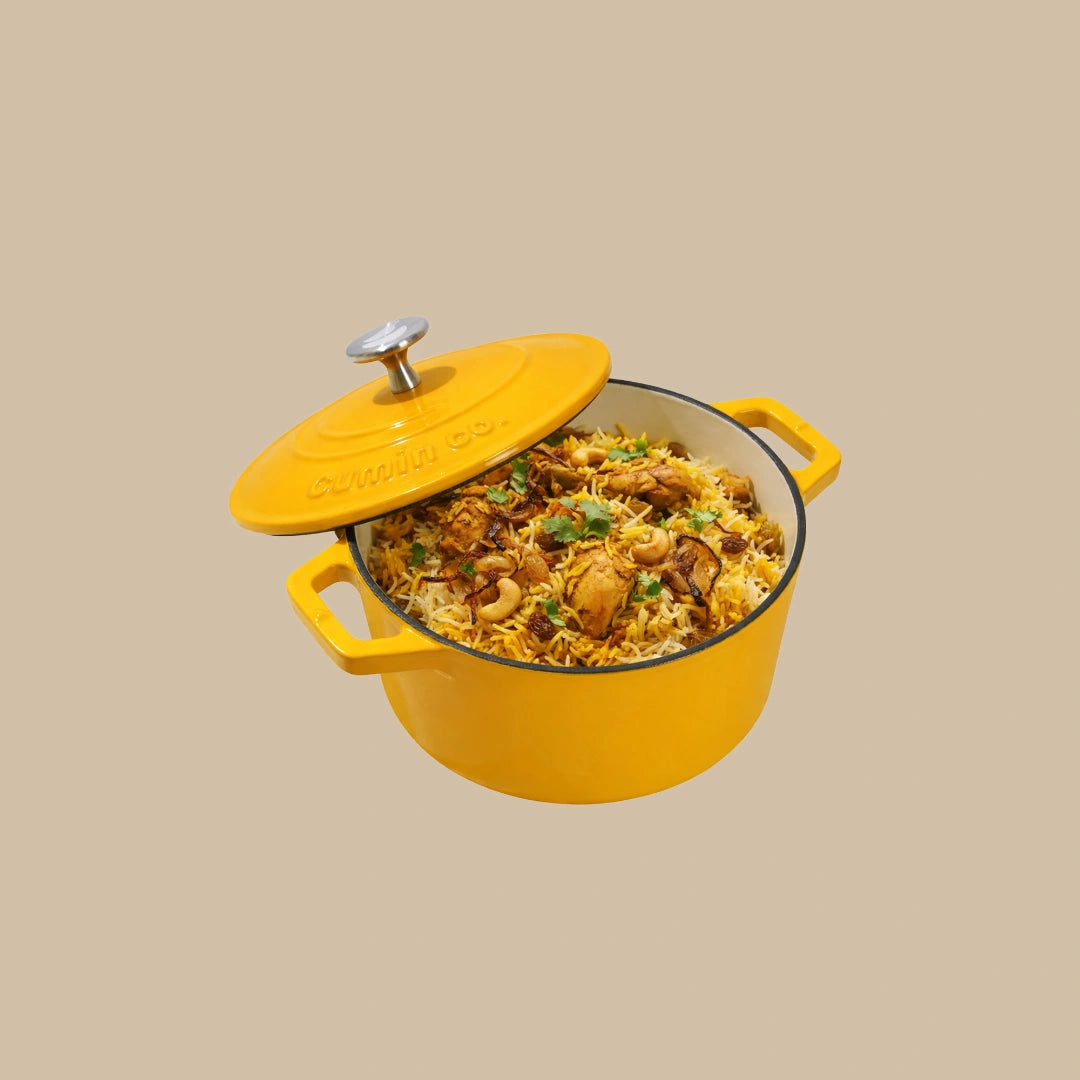
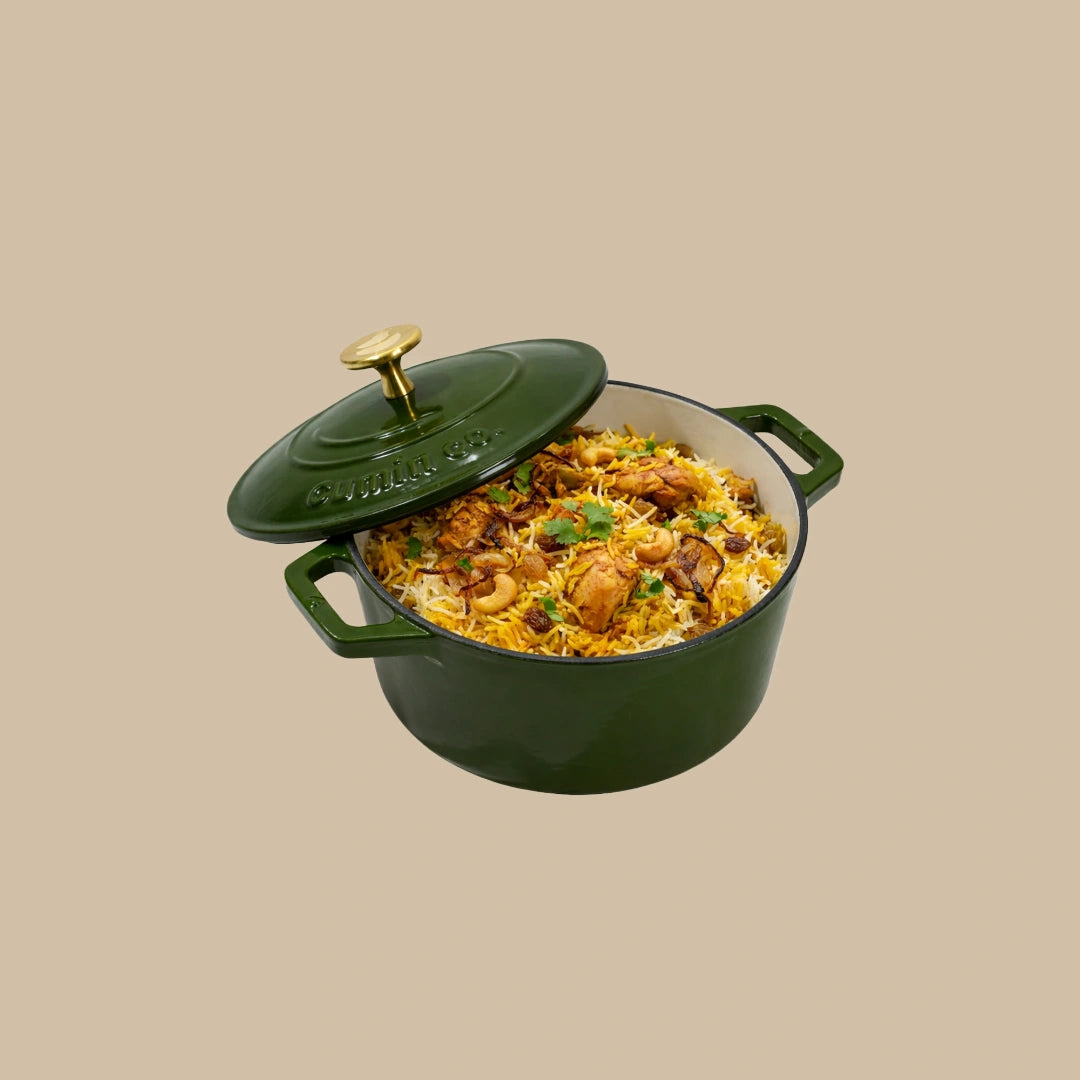
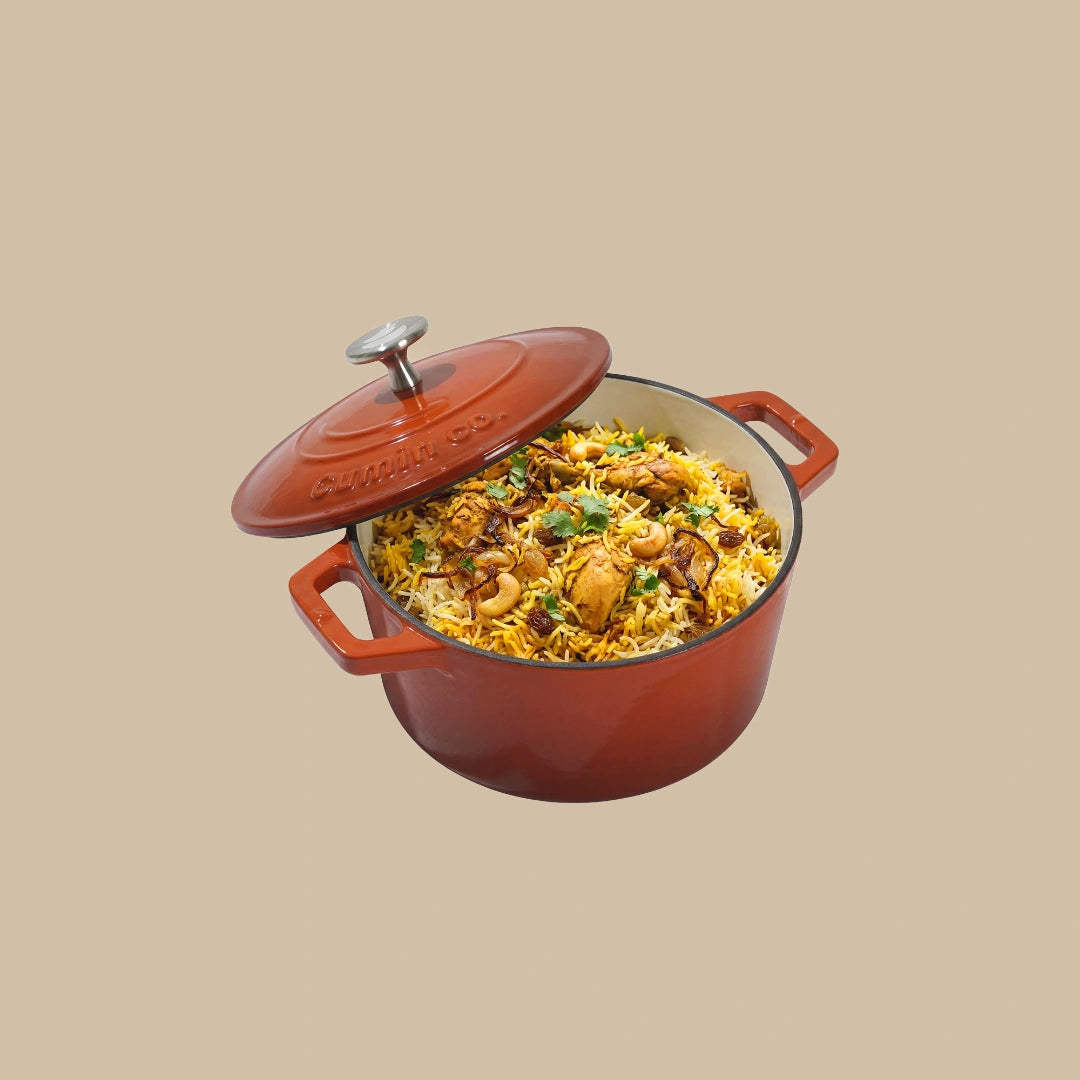
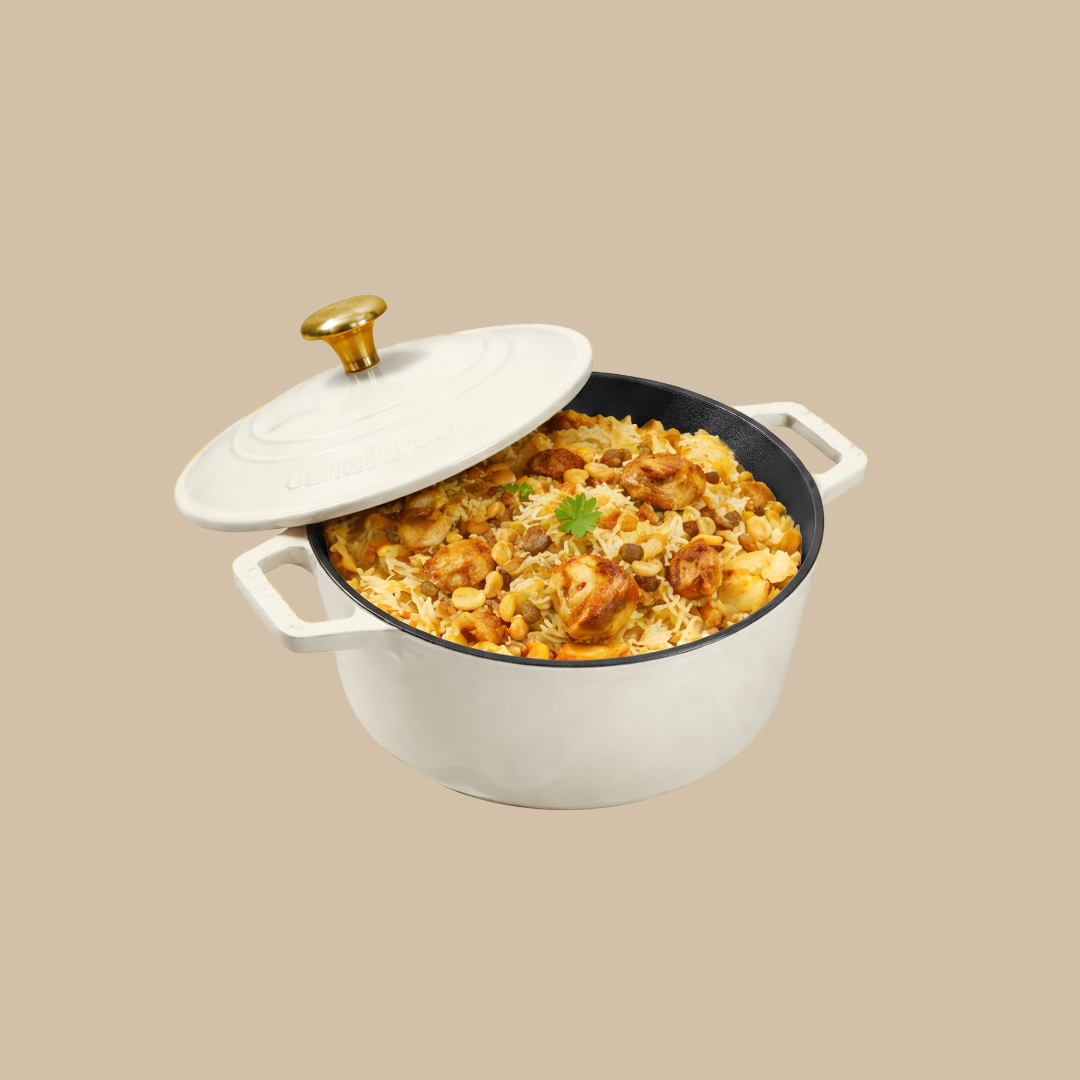
Our Enameled Cast Iron Dutch Oven Range for Toxin Free Cooking
|
S. Number |
Product |
Colour Variants |
Pricing |
|
1 |
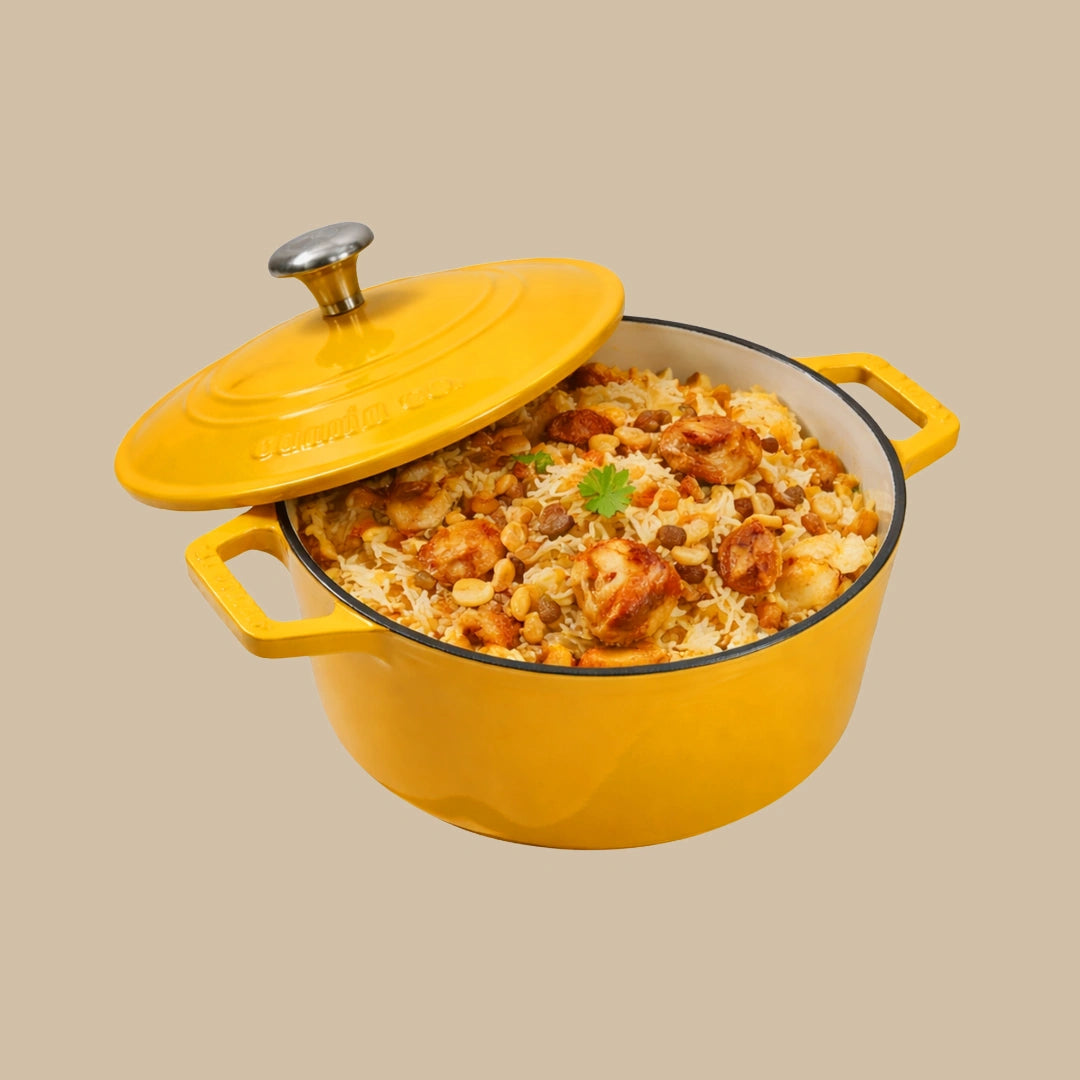
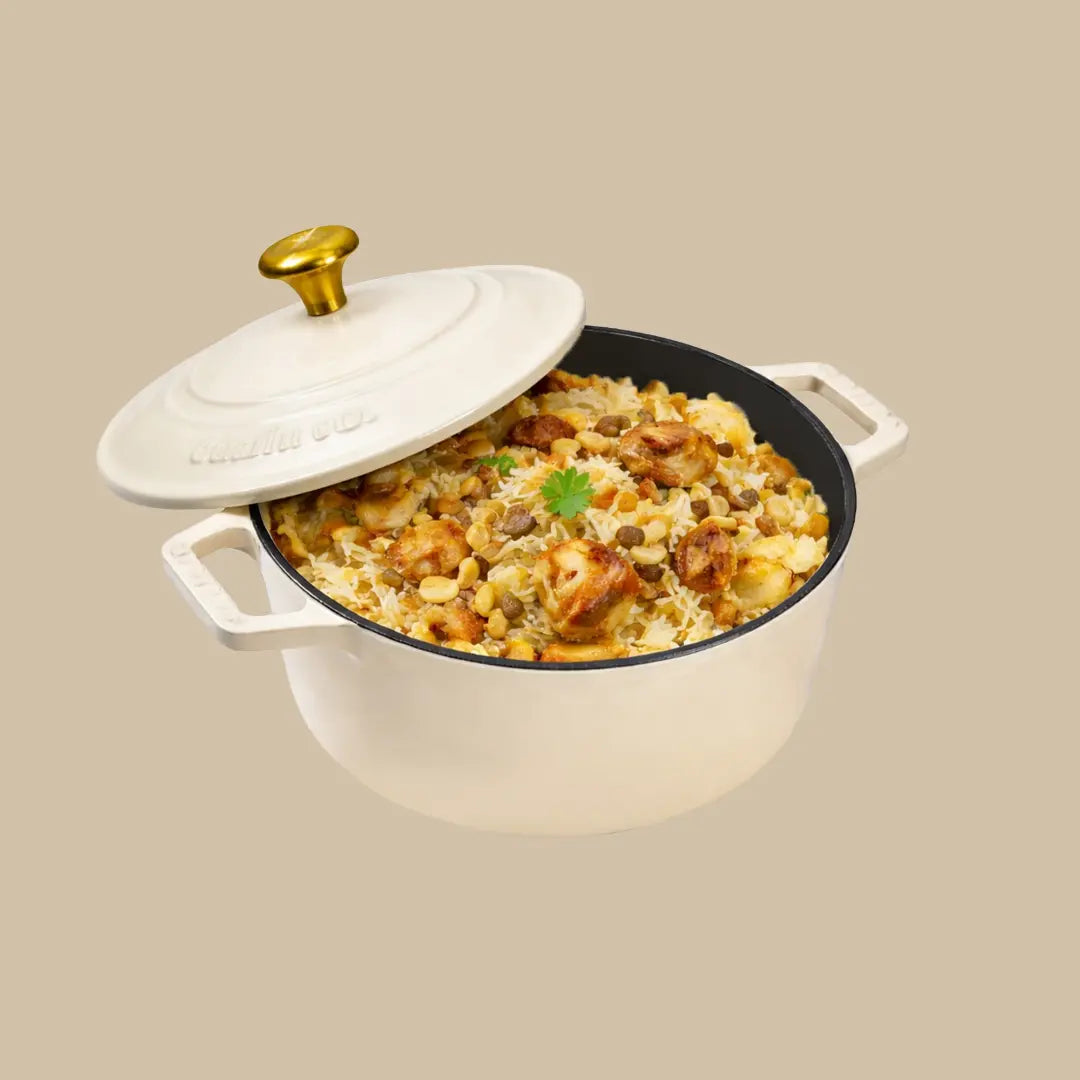
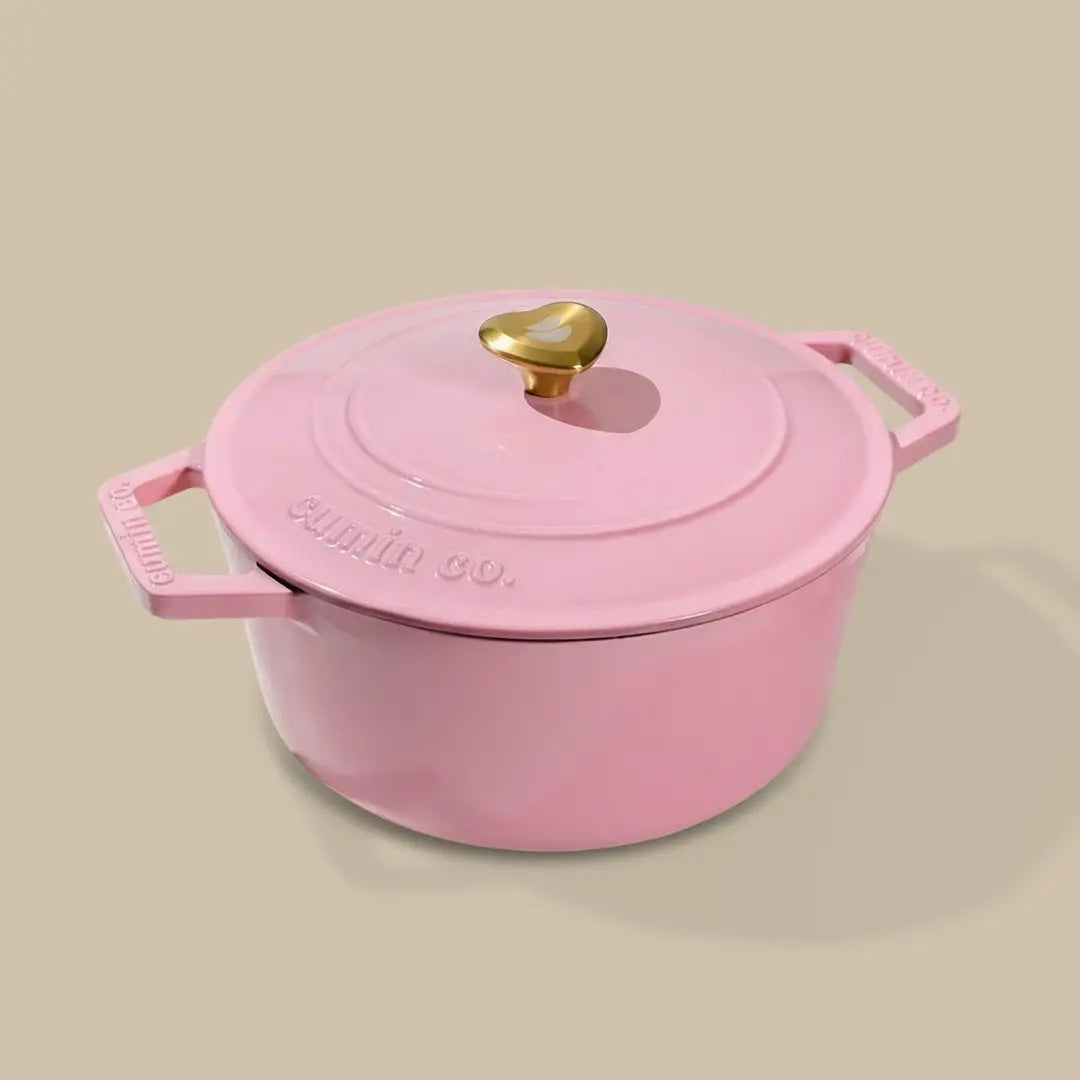
Sarso (Mustard), Moringa (Green), Kulhad (Rust), Malai (White), Rose |
₹3599-₹4299 |
|
|
2 |
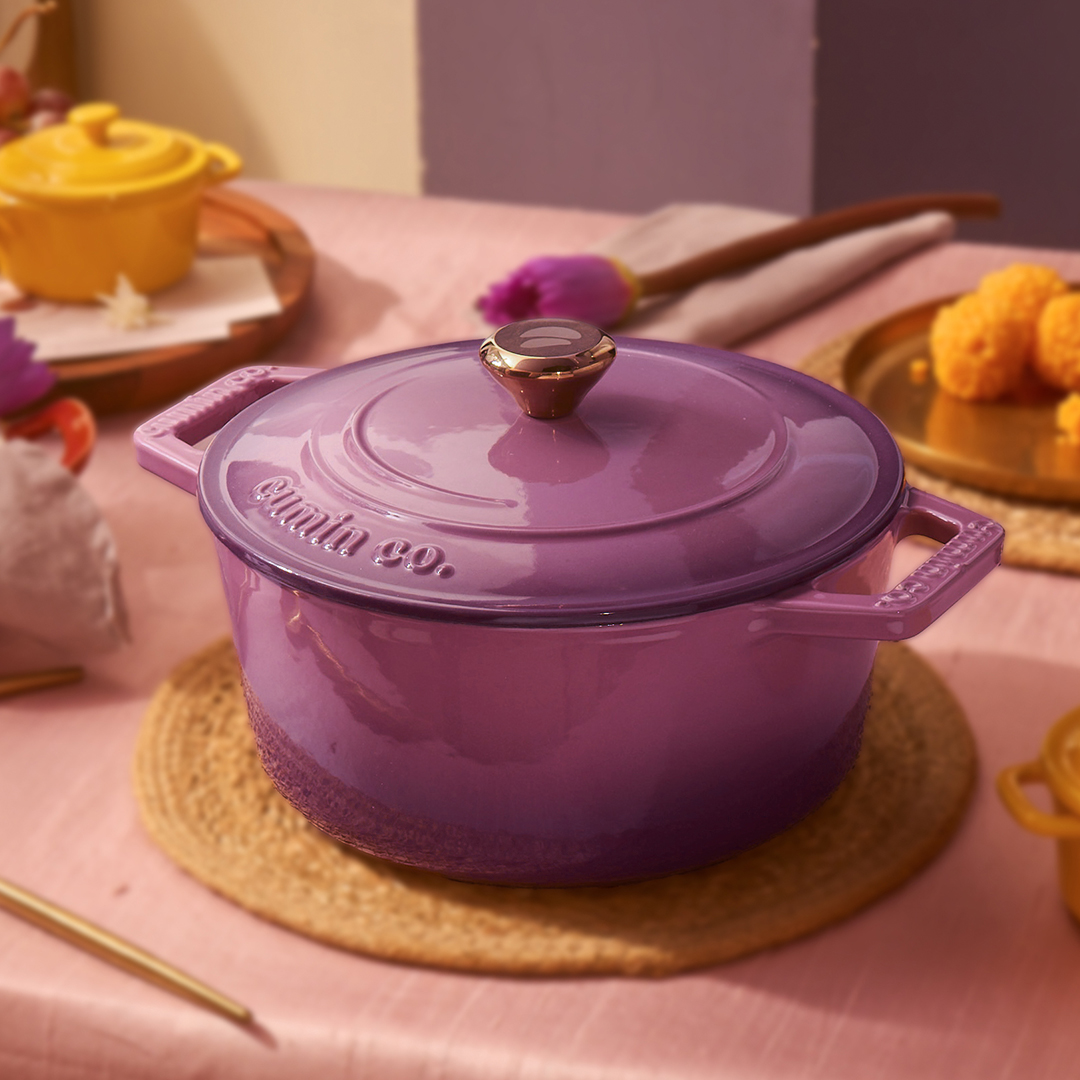
Sarso (Mustard), Moringa (Green), Kulhad (Rust), Malai (White), Rose, Kairi (Mint) |
₹5499-₹5999 |
|
|
3 |
Sarso (Mustard), Moringa (Green), Kulhad (Rust), Malai (White), Rose, Kairi (Mint) |
₹6299-₹7499 |
|
|
4 |
Sarso (Mustard), Moringa (Green), Kulhad (Rust), Malai (White) |
₹7649- ₹8499 |
Whether you need a small Dutch Oven for everyday meals or something larger for hosting, there’s a size that fits naturally into your kitchen.
What Can You Cook in a Dutch Oven
Slow-Cooked Curries & Gravies
Butter chicken, dal makhani, mutton curry, sambhar.
The longer simmer changes the texture and depth completely.
Biryani, Rice & One-Pot Meals
Layered dum biryani works especially well because the heavy lid traps steam beautifully.
Rice cooks evenly without drying out at the bottom.
Baking Bread & Cakes in Dutch Oven
Bread develops a crisp crust and soft interior because the enclosed heat mimics professional baking conditions surprisingly well.
Even simple tea cakes bake evenly inside.
Soups, Stews & Broths
Long simmering becomes effortless because heat stays stable without needing aggressive flames.
Good cooking starts slowing down a little.
Frying, Roasting & Sautéing
Yes, you can fry in it too.
The deep walls help minimise splatter, while the steady heat makes browning and roasting much more controlled.
How to Use a Dutch Oven the Right Way
Step-by-Step Guide to Cooking in Dutch Oven
-
Preheat gently on low or medium heat
-
Add oil or butter once warm
-
Avoid blasting high heat immediately
-
Let the cookware retain and distribute heat naturally
-
Keep the lid closed whenever possible during slow cooking
Most people realise quickly that lower heat works better than expected.
Using Dutch Oven in Oven vs Gas Stove
On stovetops, it excels at simmering, sautéing, and frying.
Inside the oven, it becomes ideal for baking bread, roasting vegetables, or finishing slow-cooked dishes evenly from all sides.
A few useful tips:
-
Always use oven mitts since handles stay hot
-
Avoid sudden temperature shocks
-
Don’t place a hot pot directly under cold water
Common Mistakes to Avoid
-
Overheating an empty pot
-
Using extremely high flame unnecessarily
-
Dragging cookware across glass stovetops
-
Storing food for very long periods inside the pot
-
Using sharp metal utensils aggressively on enamel surfaces
Why Cumin Co. Dutch Oven is a Healthier & Smarter Choice
A lot of cookware today is designed around convenience first and longevity later.
Thin aluminium heats unevenly. Non-stick coatings eventually wear out. Cheap cookware often needs replacing far sooner than expected.
Cumin Co. cookware takes a slower approach.
Stronger materials. Cleaner cooking surfaces. Better heat retention. Less waste over time.
This is the kind of cookware that ages with your kitchen instead of getting replaced every year.





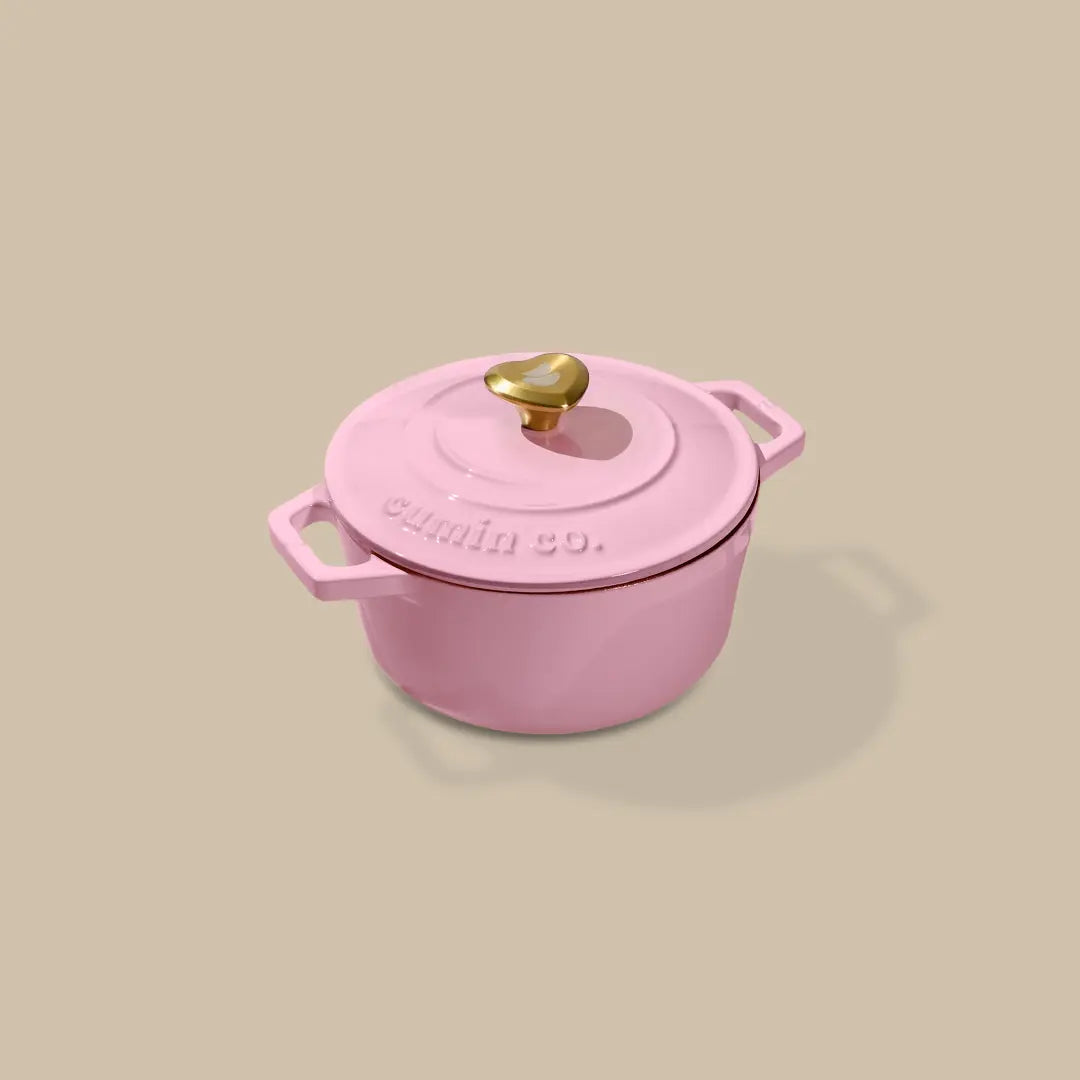
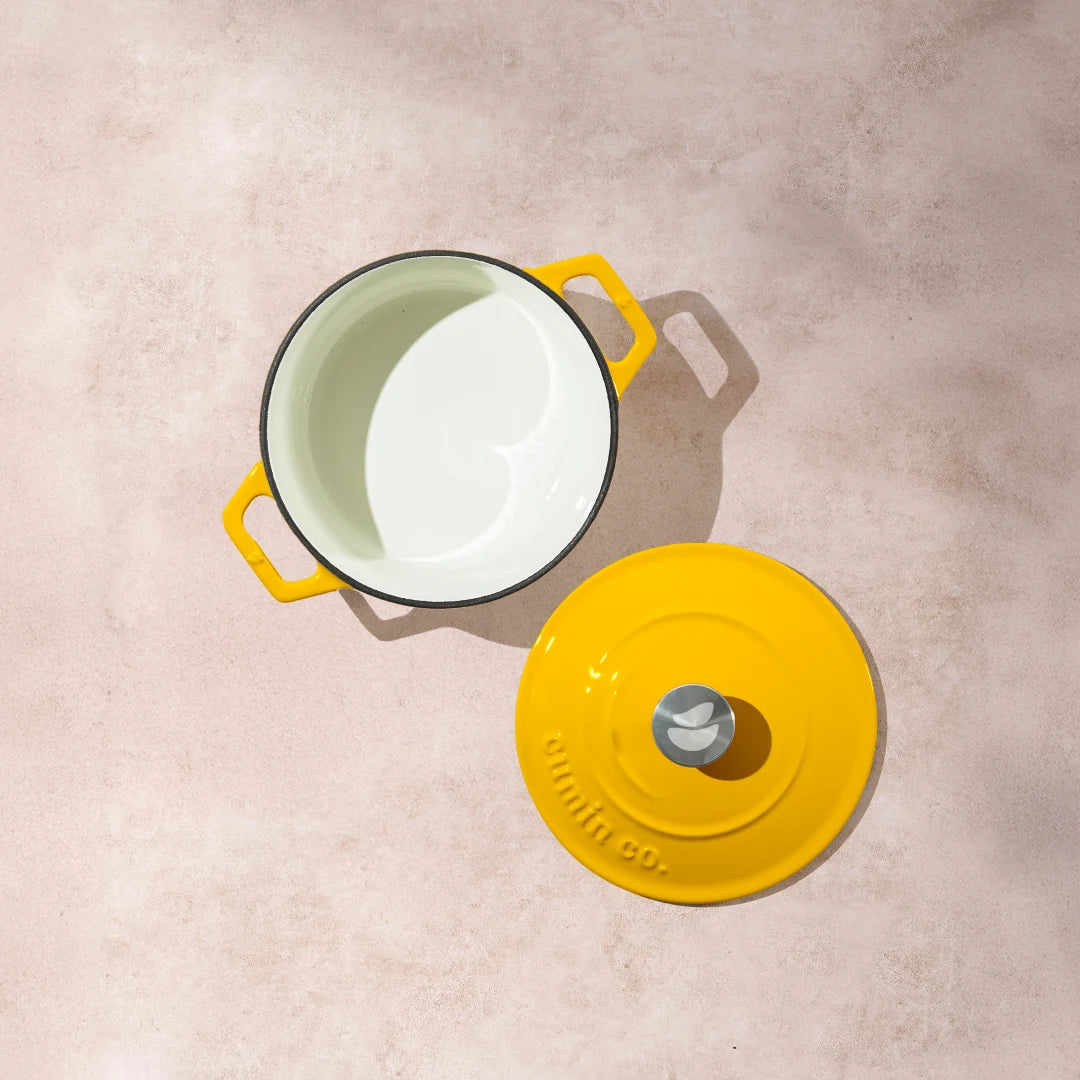
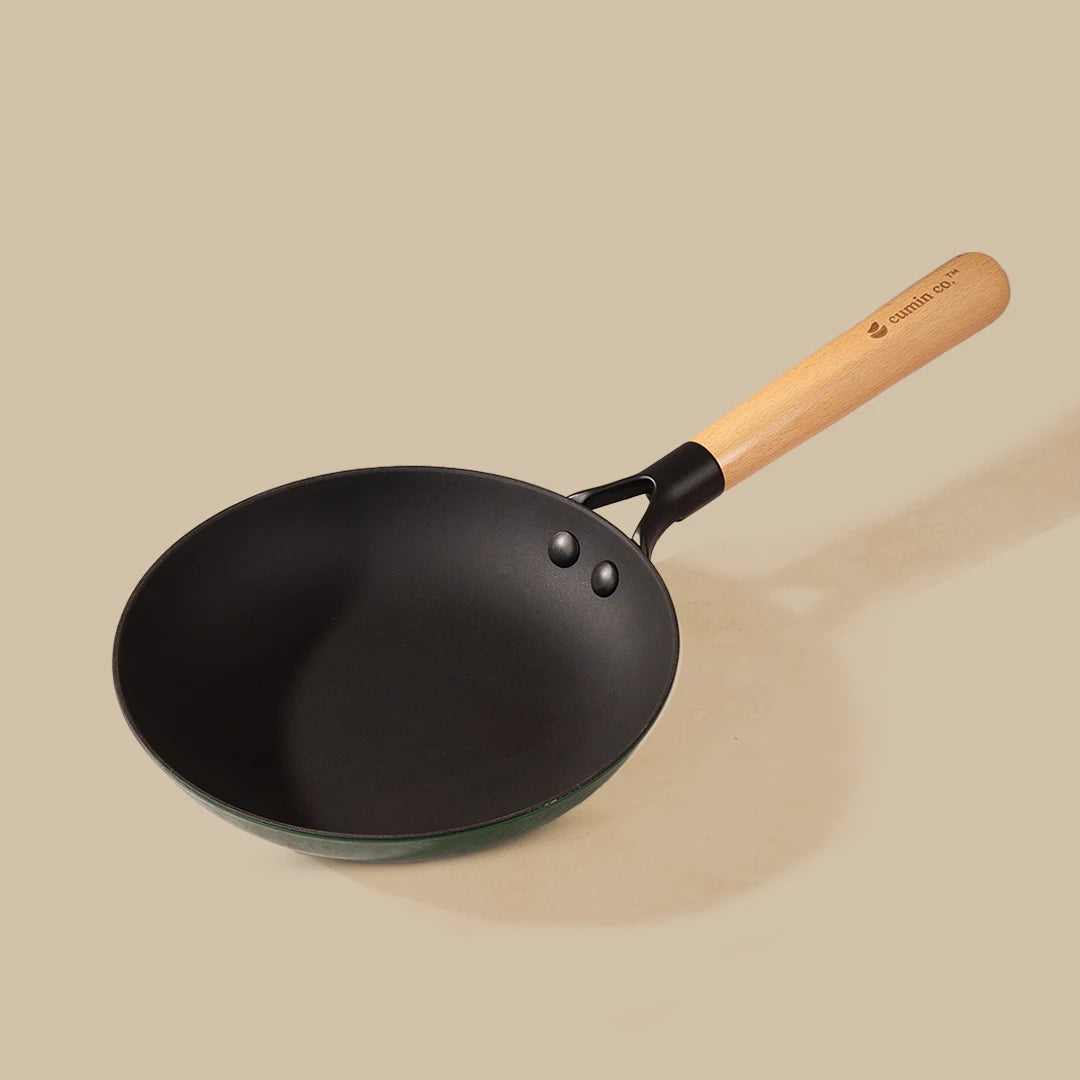
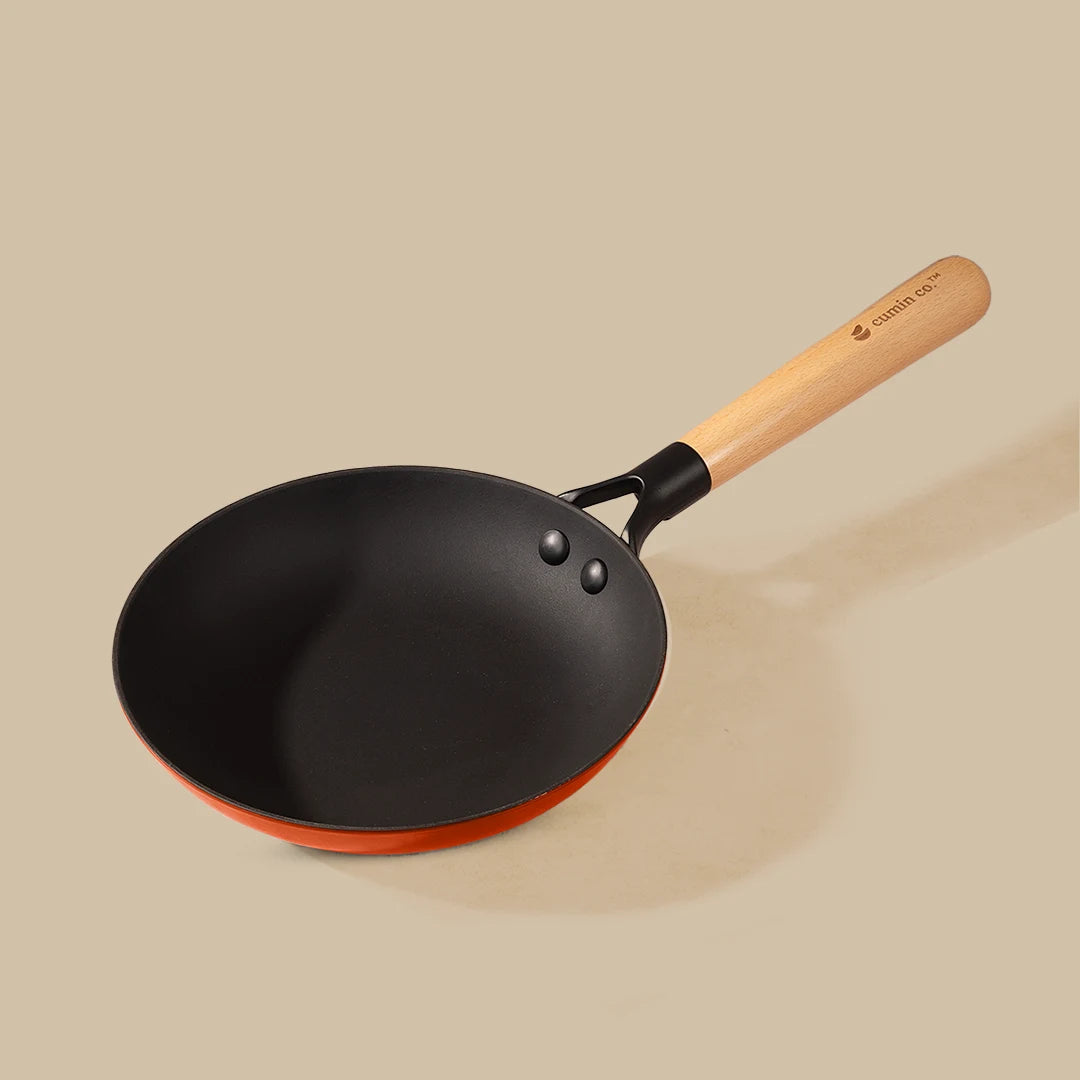
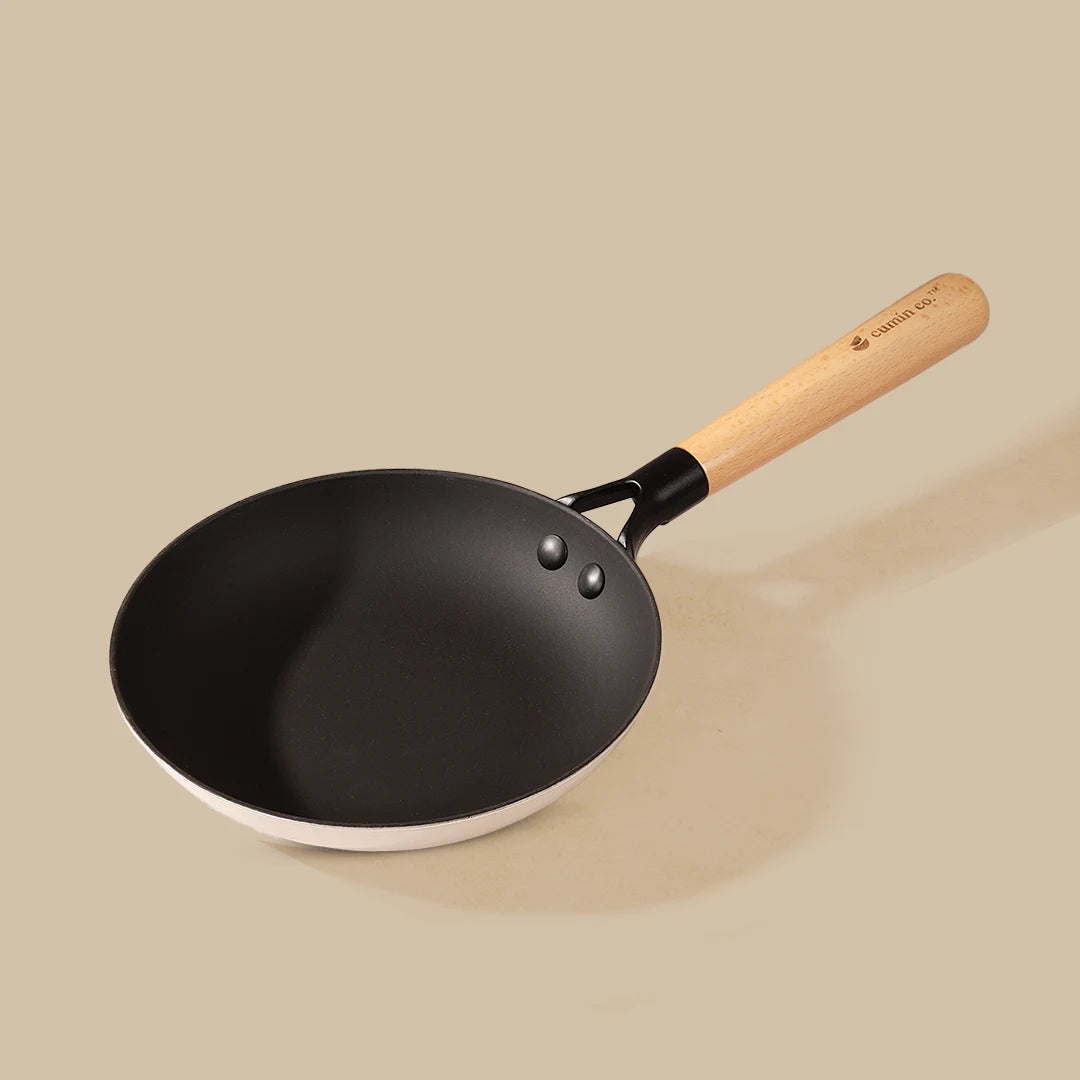
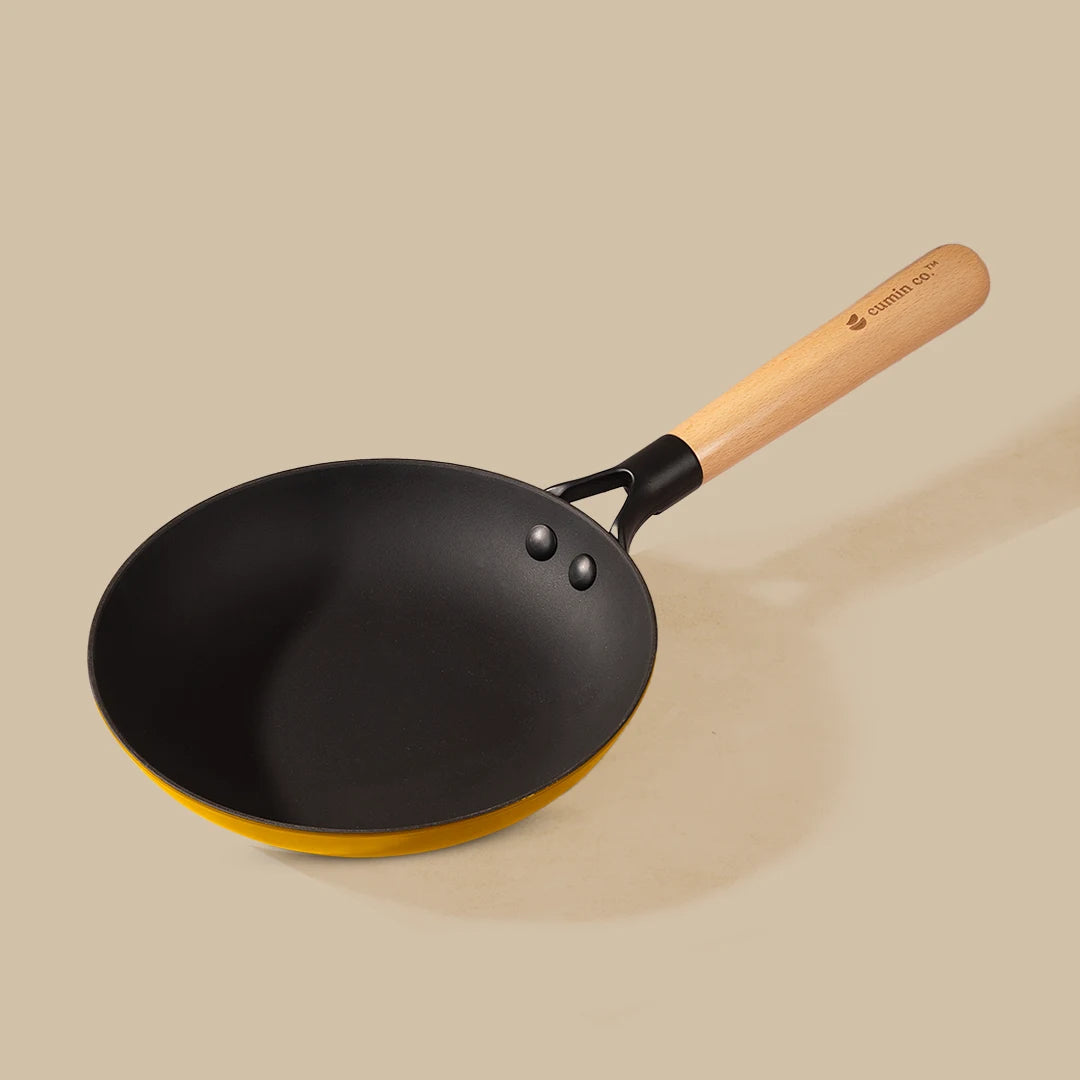
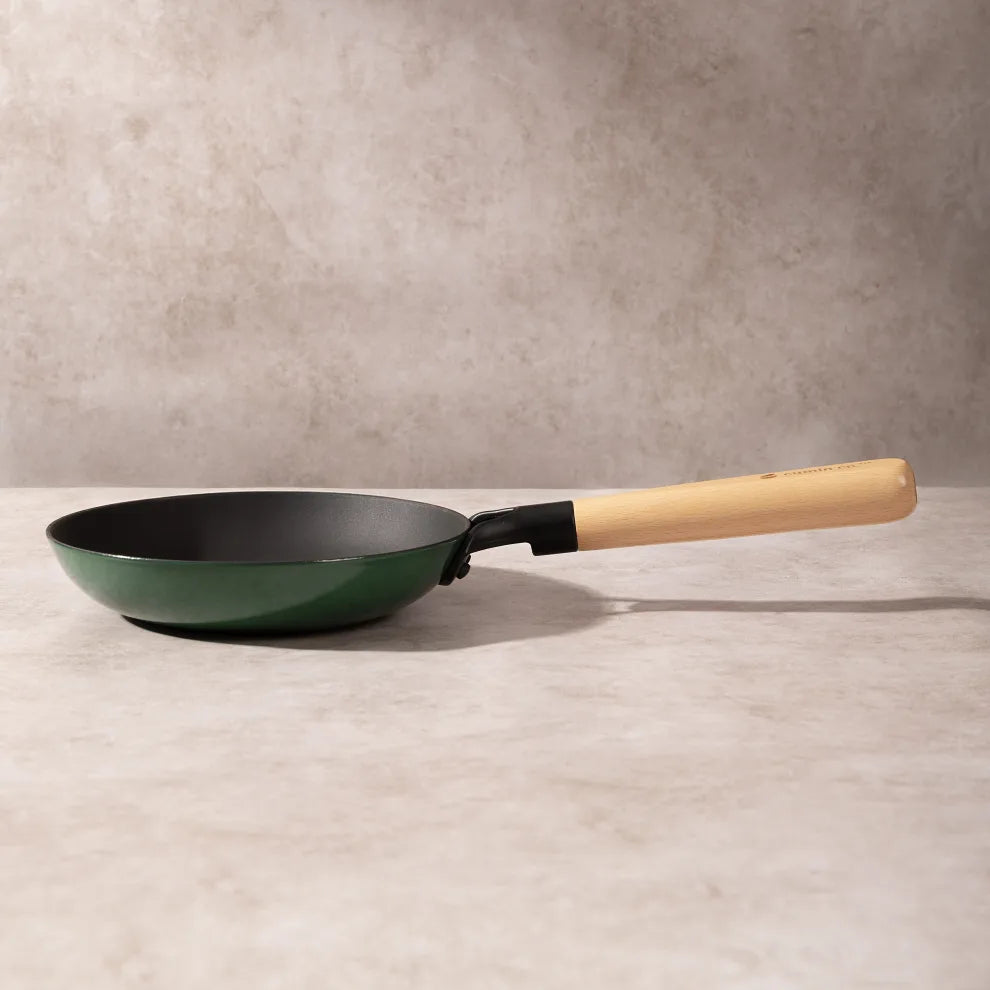
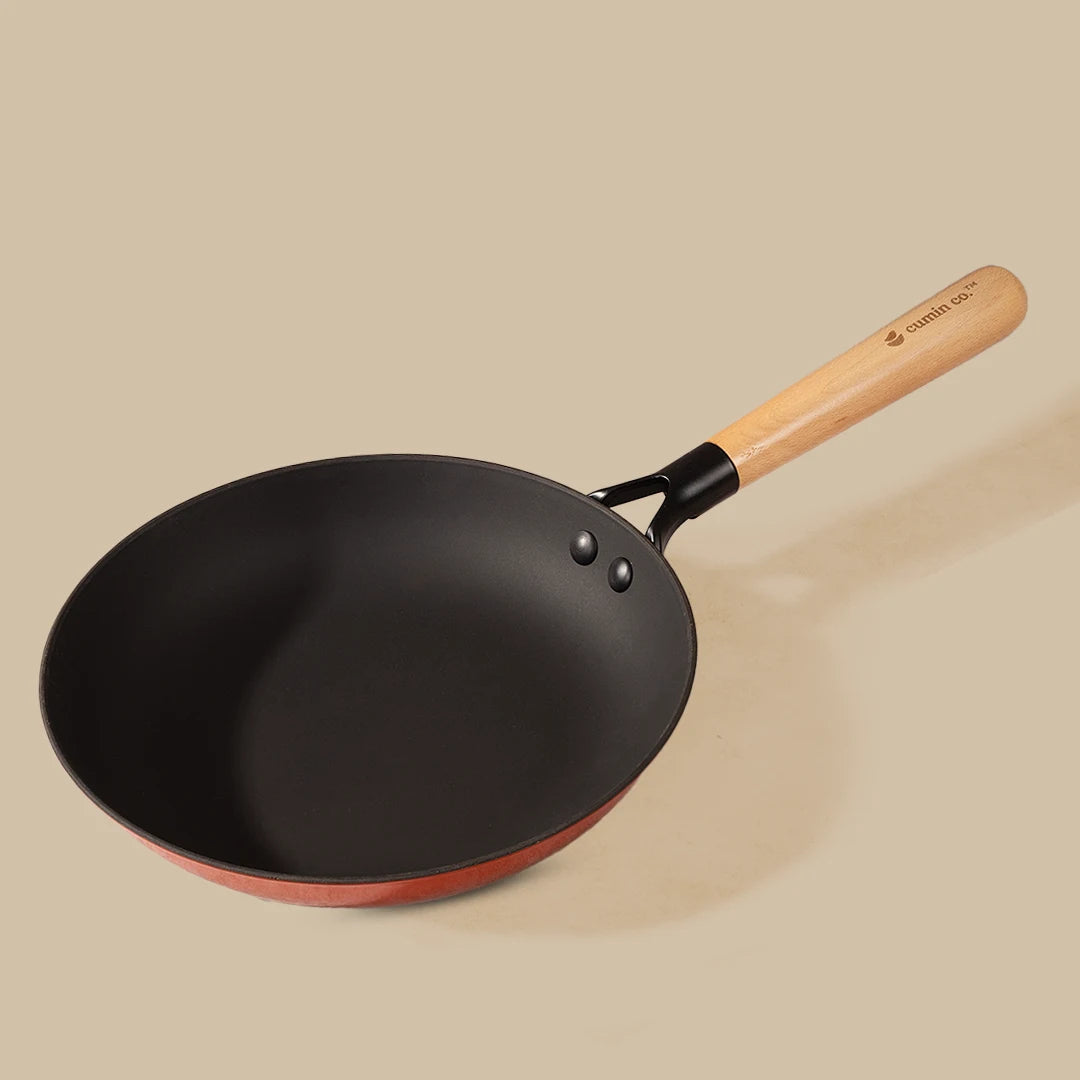
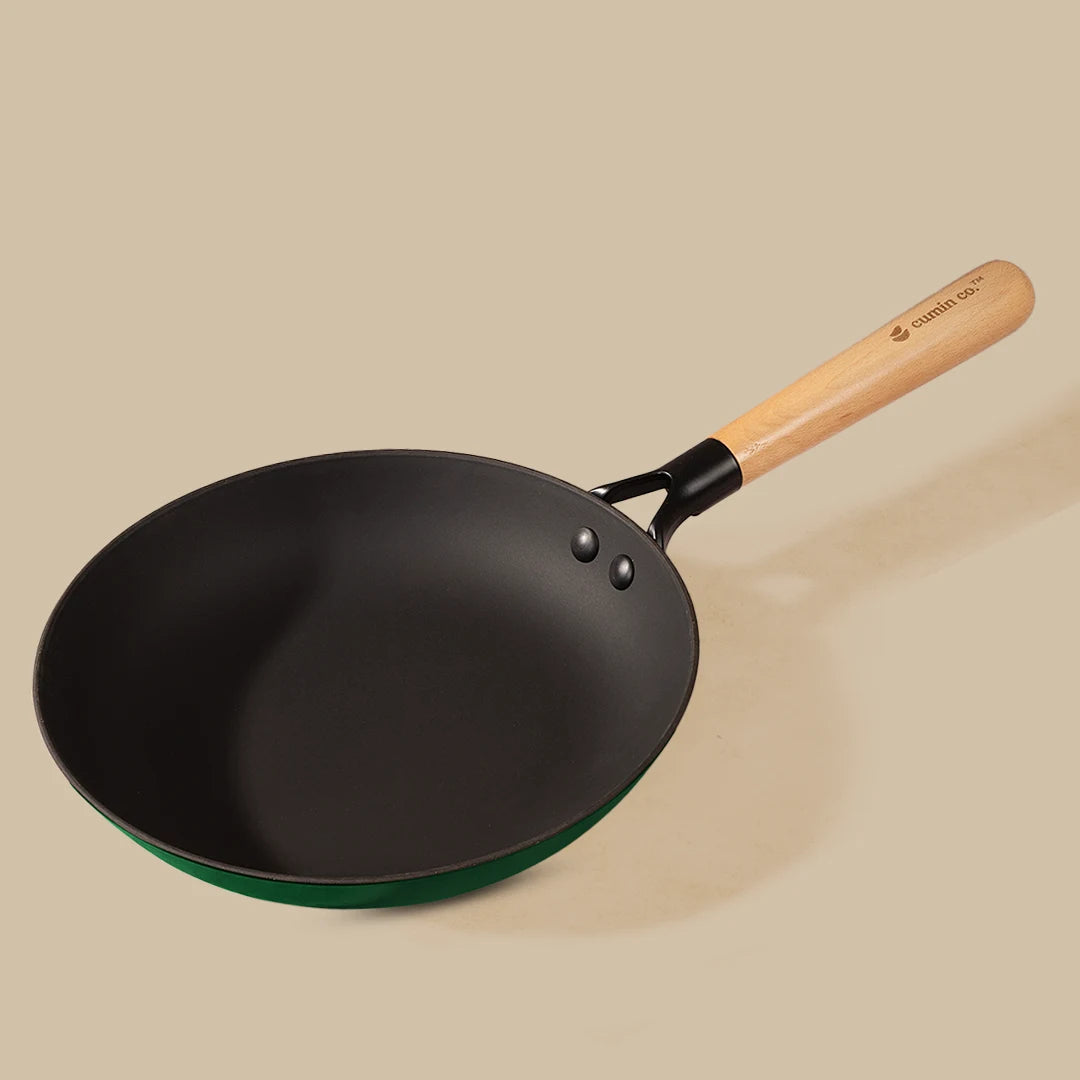
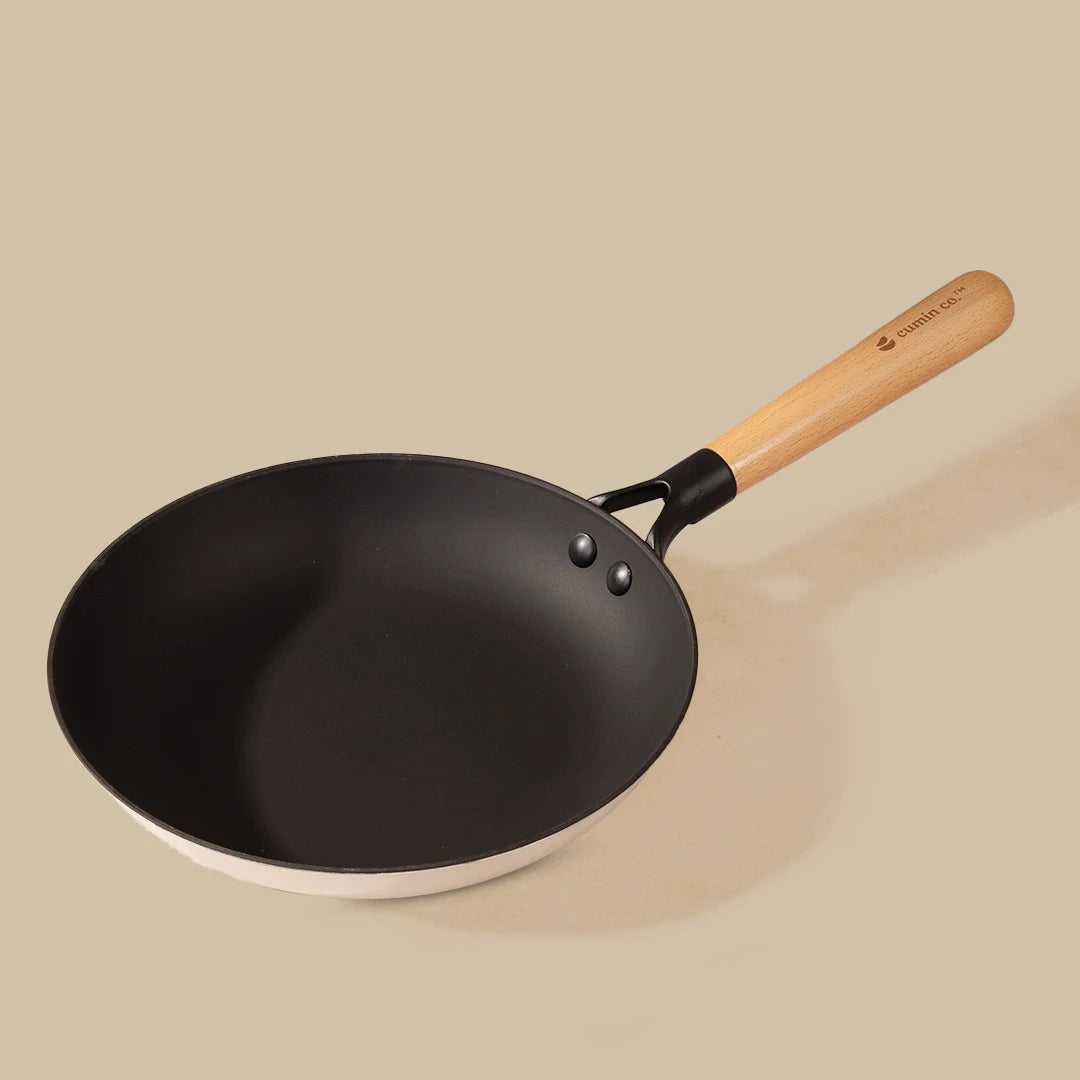
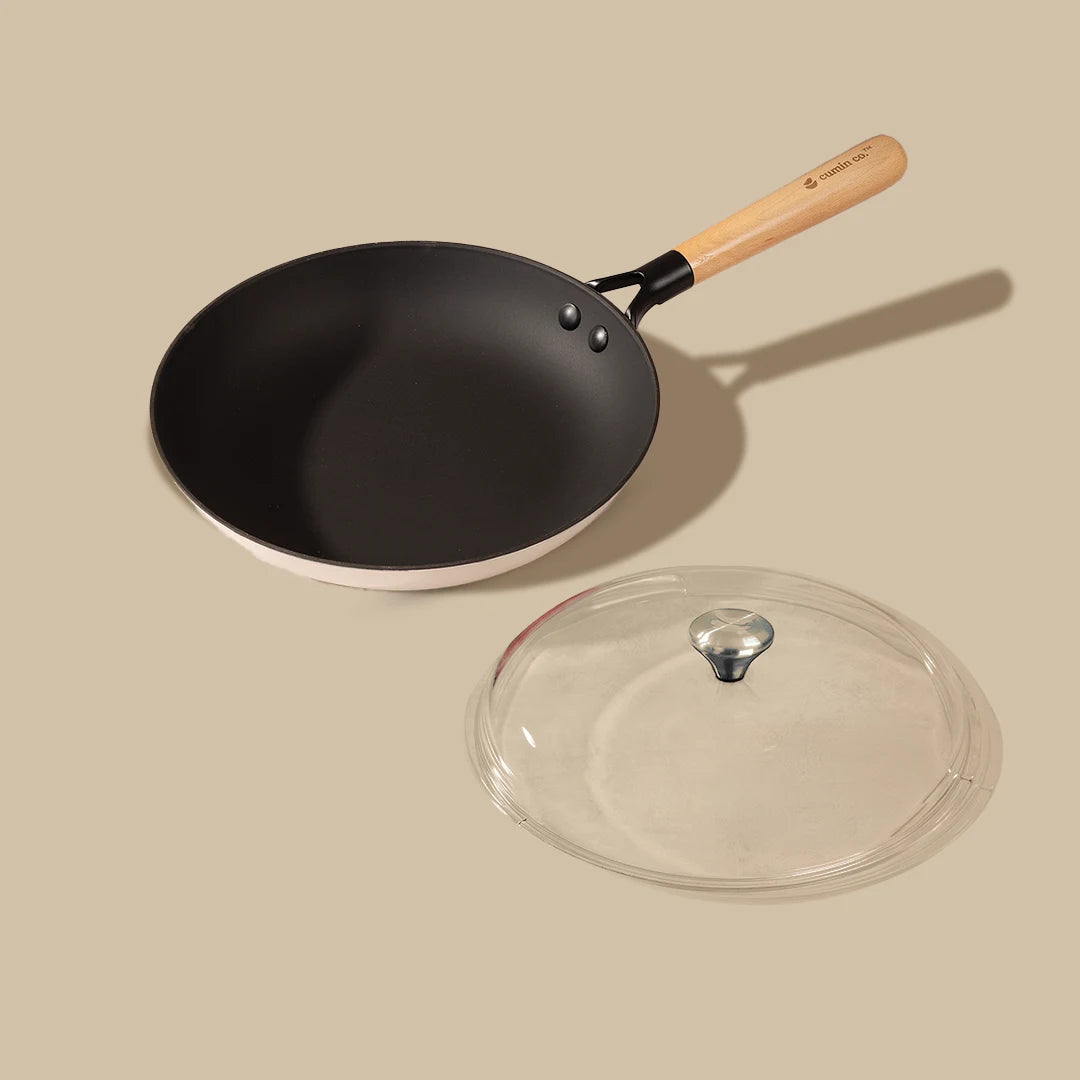
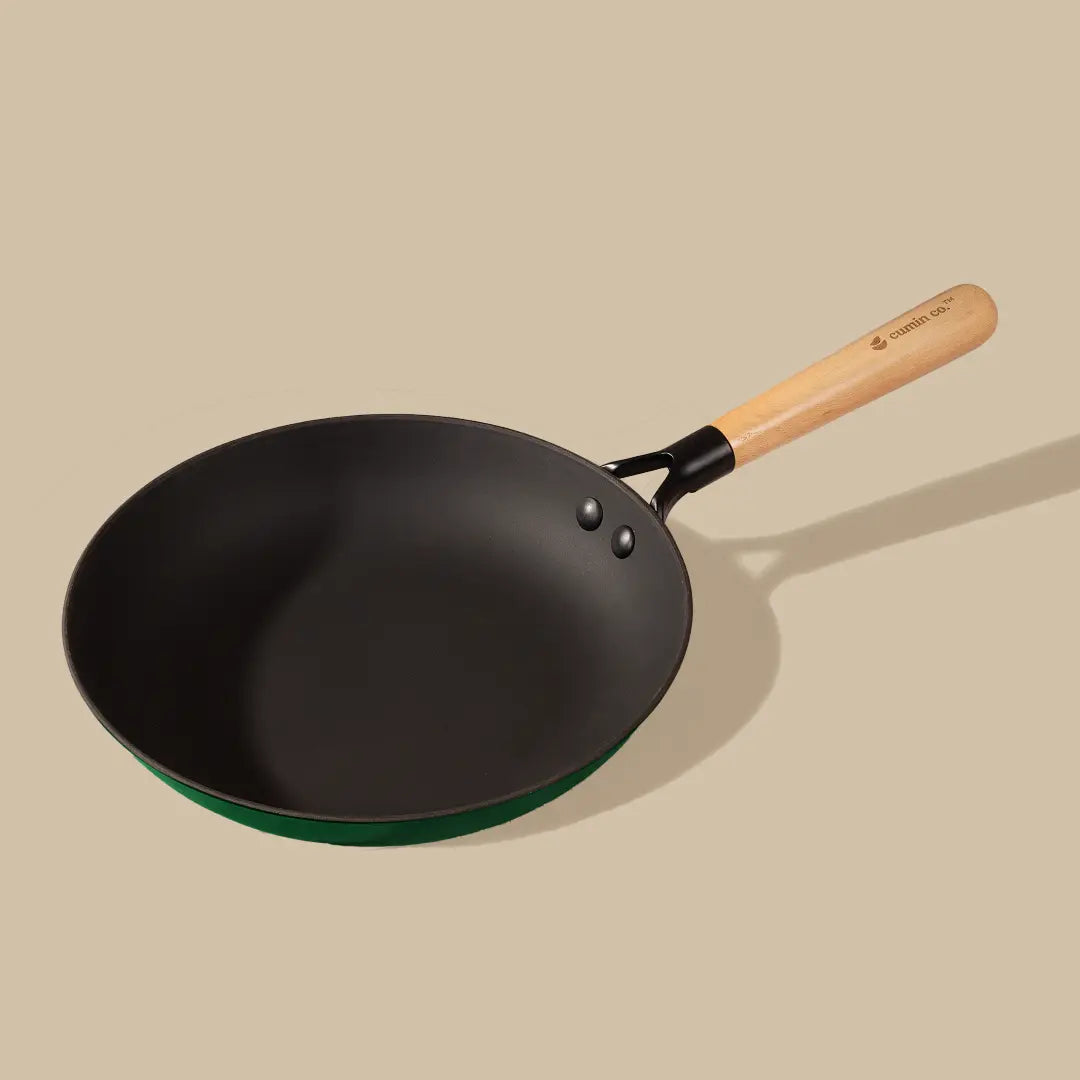
The ONLY Naturally Non-Stick pan
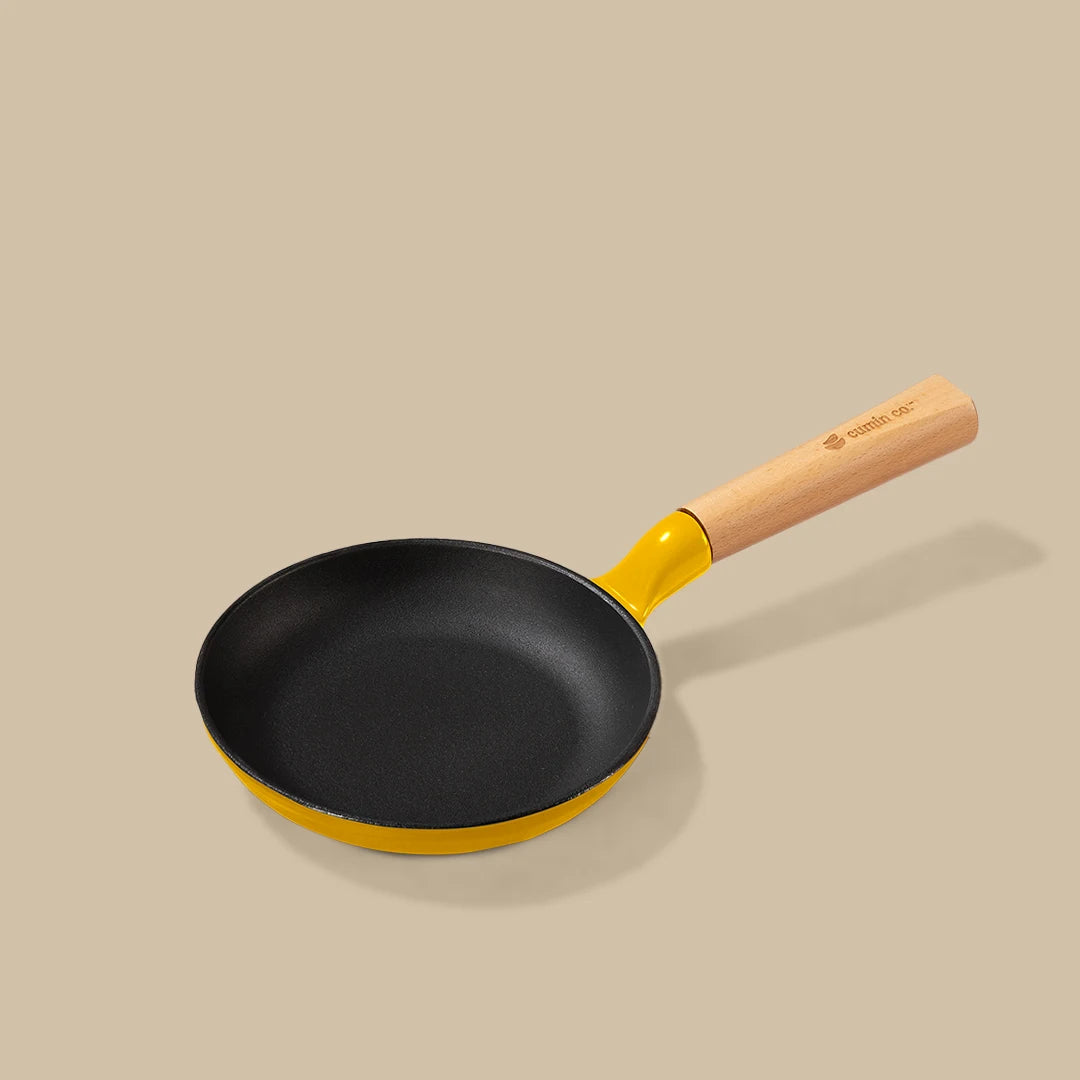


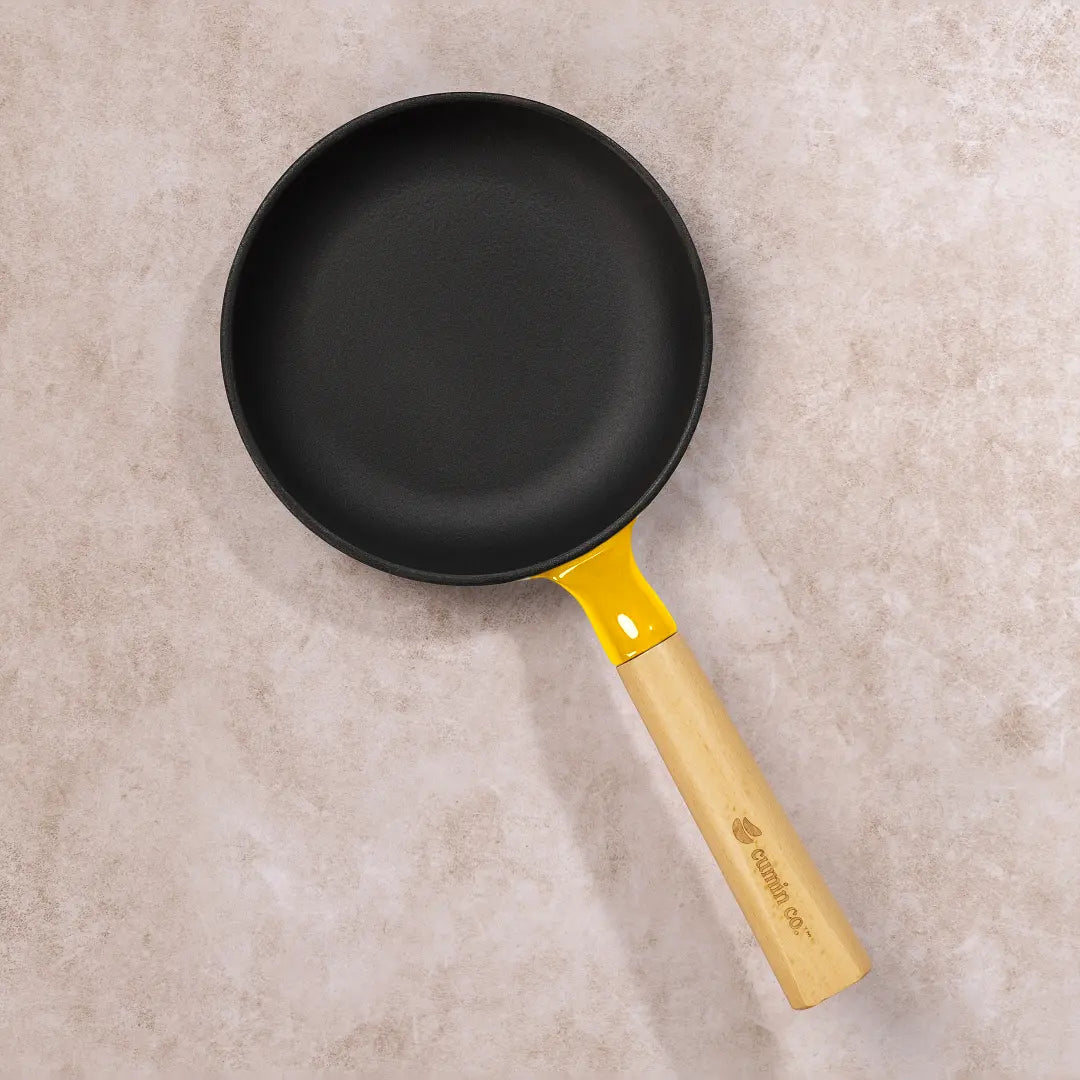

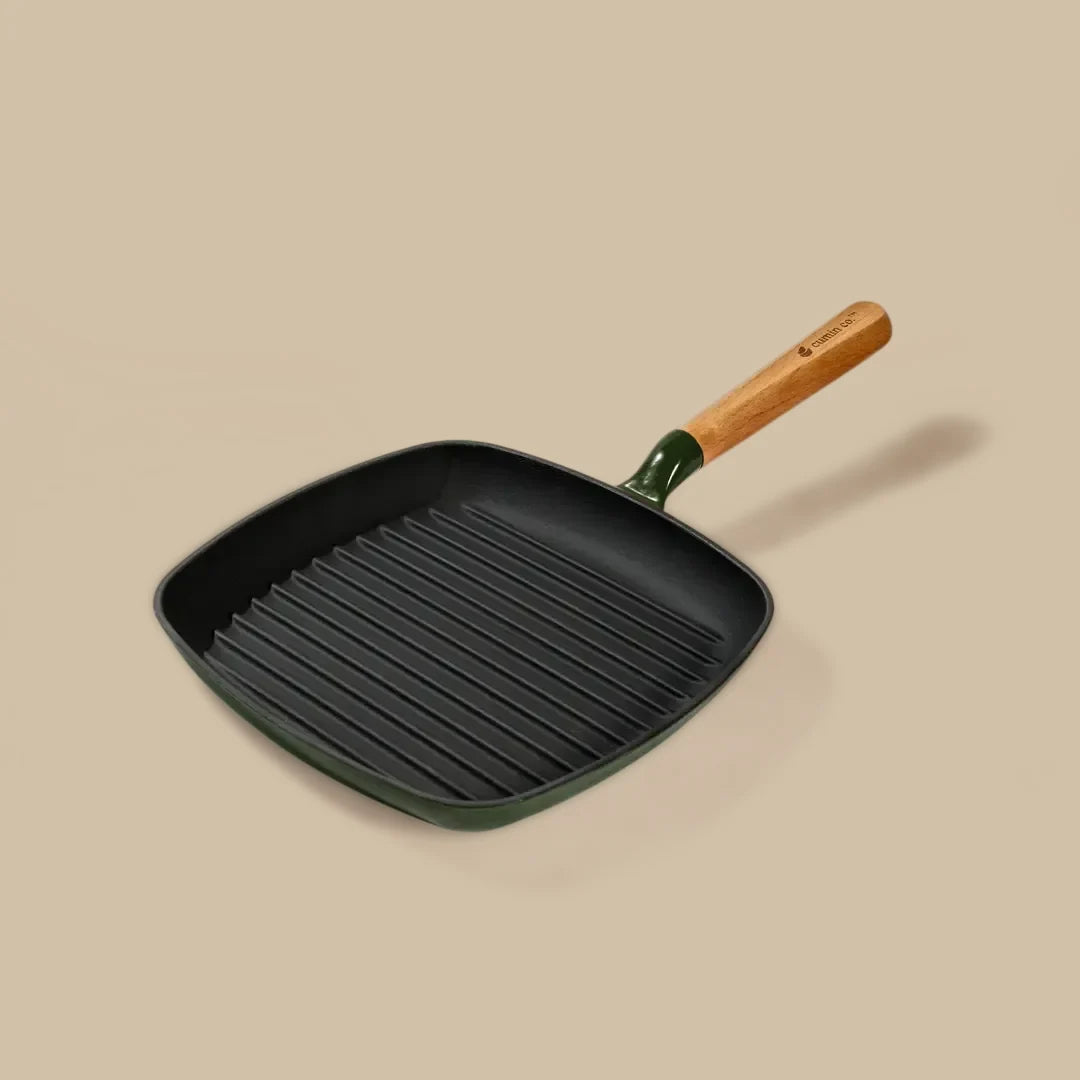
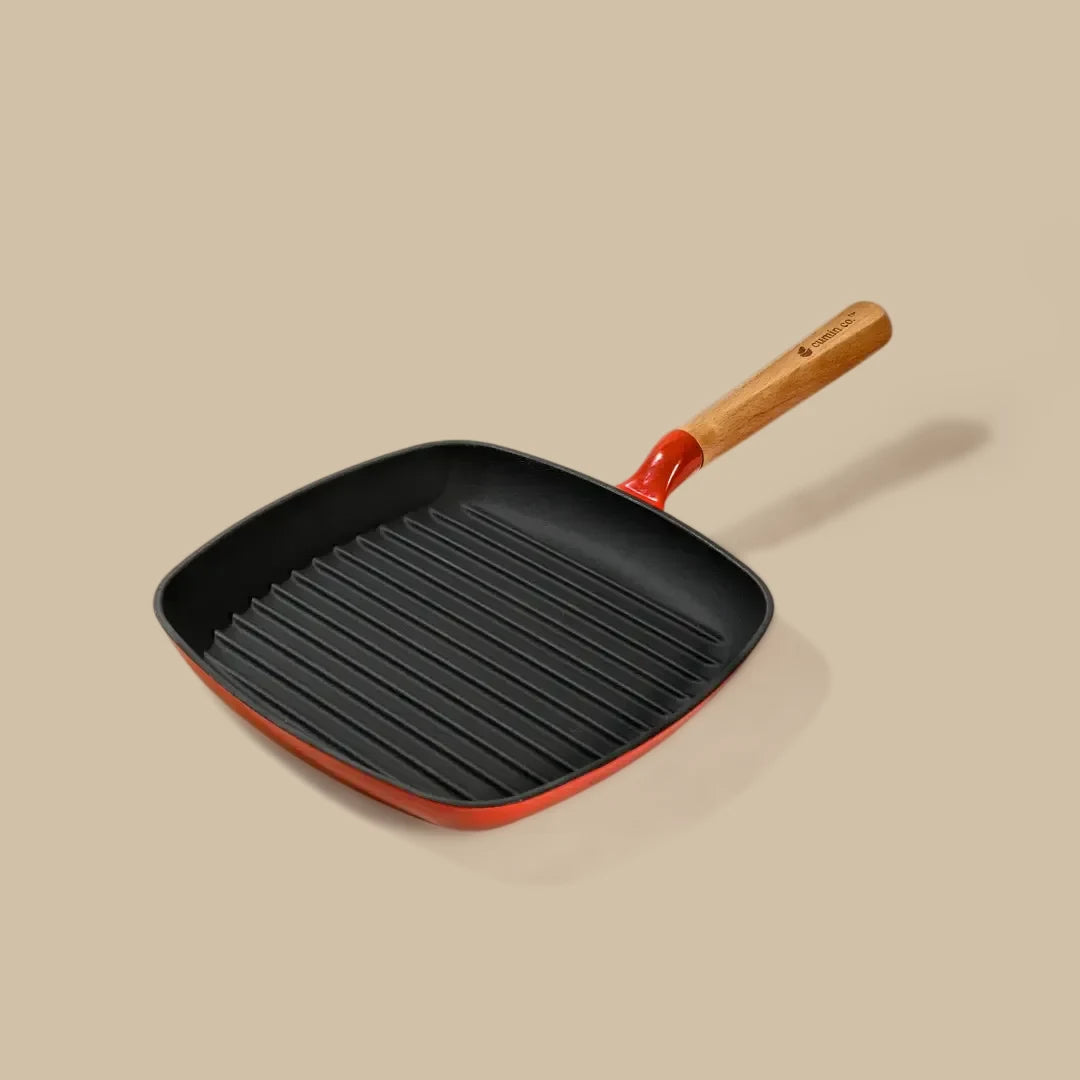
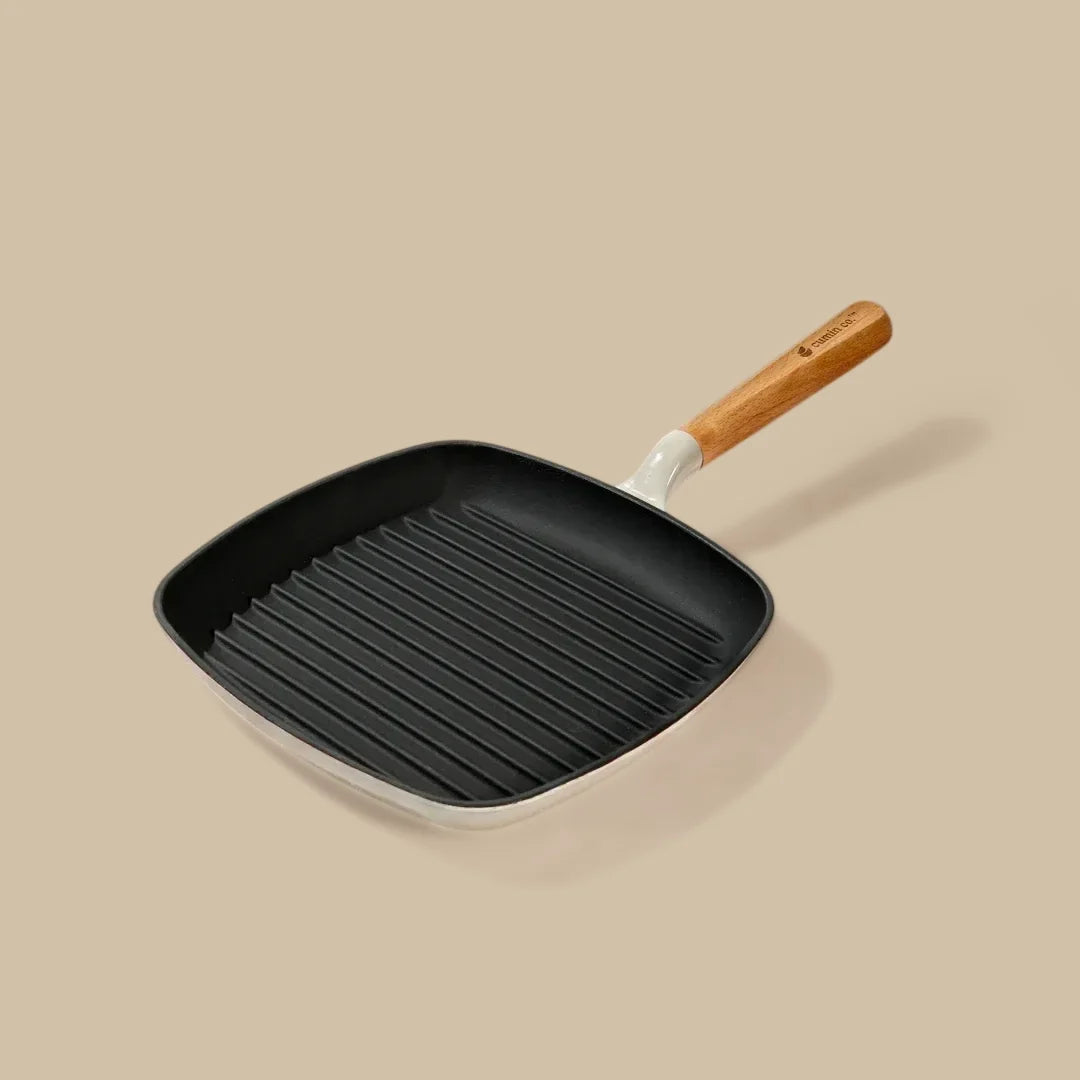
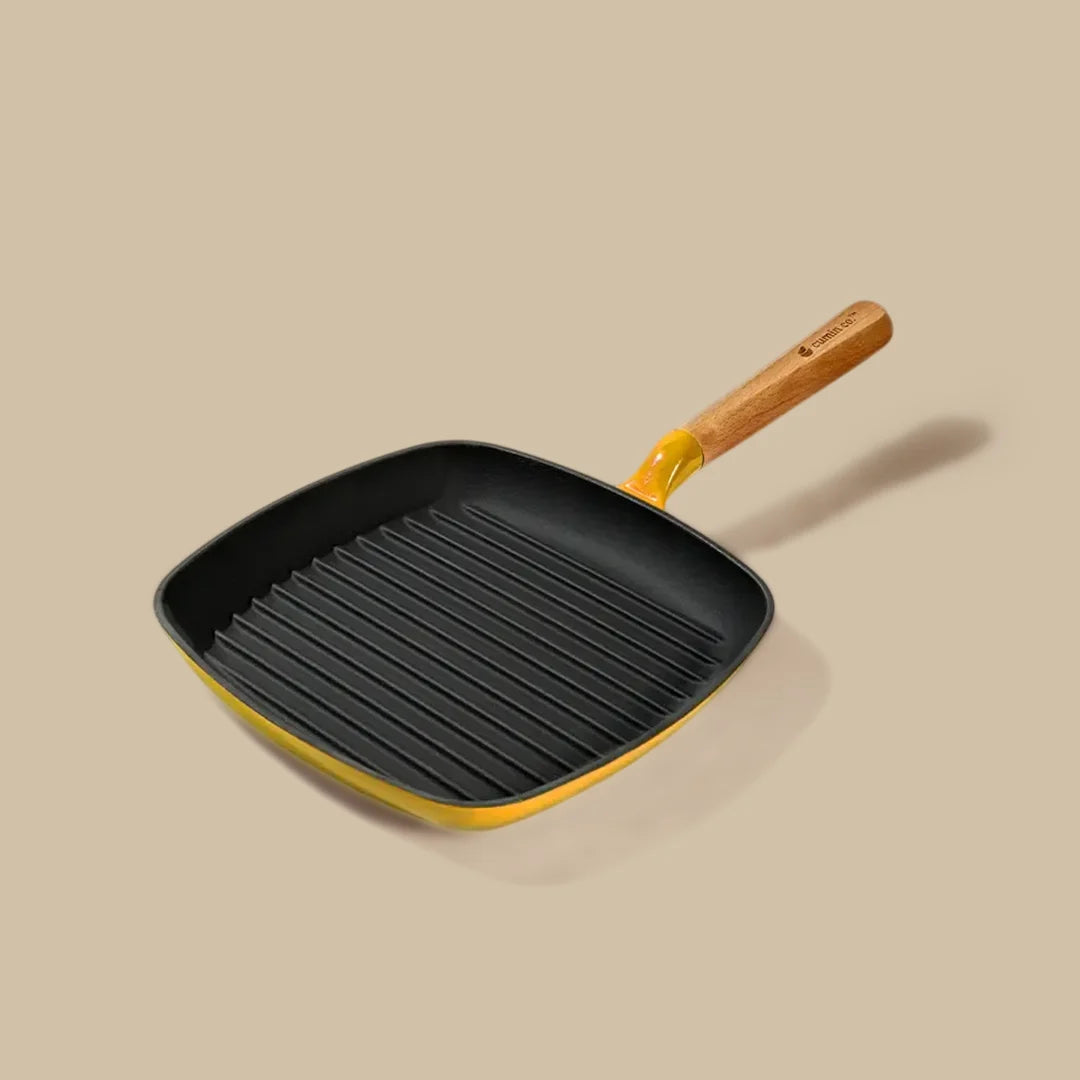
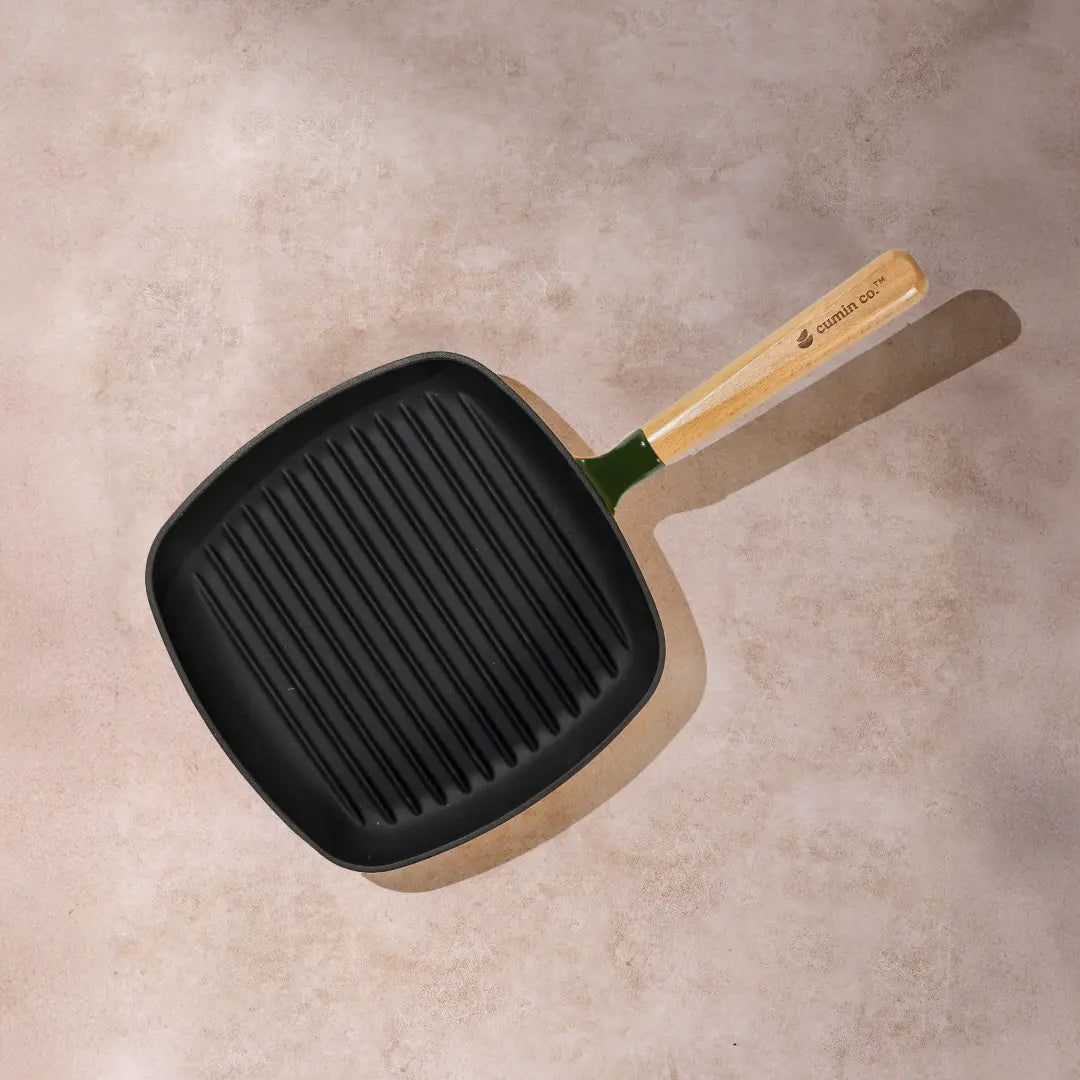
Ridge-textured pan for perfect searing


Your Everyday Chai Companion


Cast Iron Kadai with Enamel Coating | Enamel Dutch Oven | Small Dutch Oven | Non Toxic Dosa Tawa | Cast Iron Roti Tawa
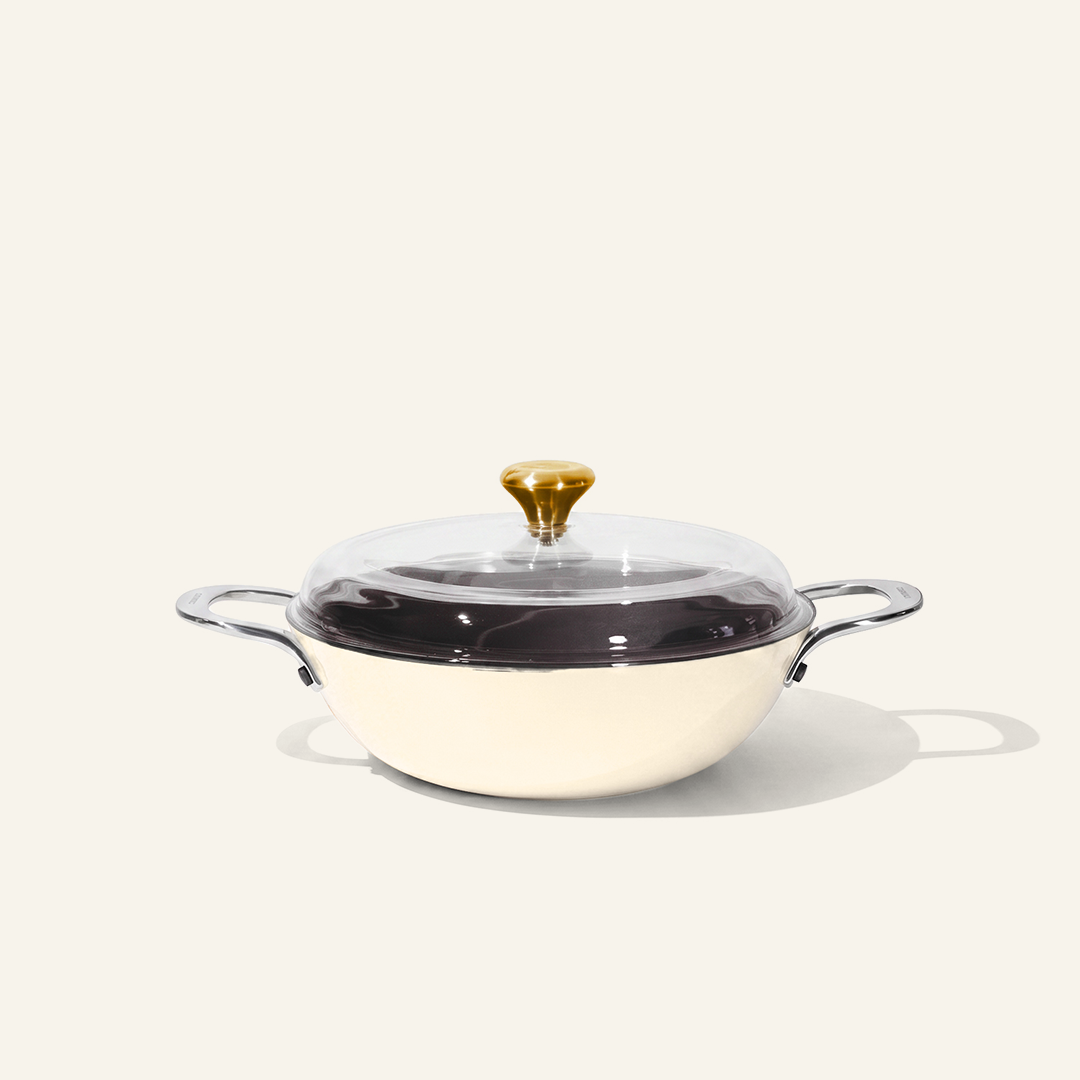
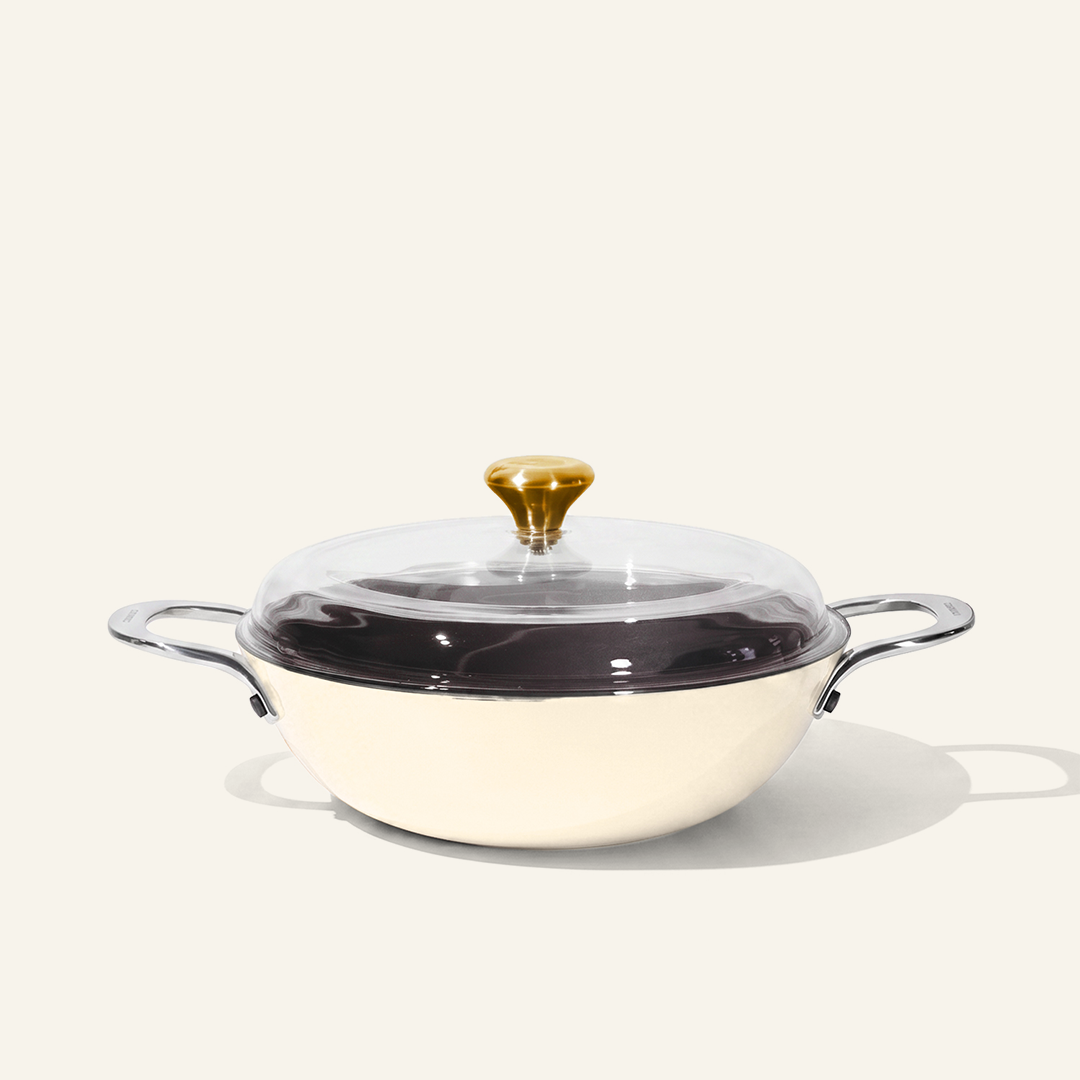
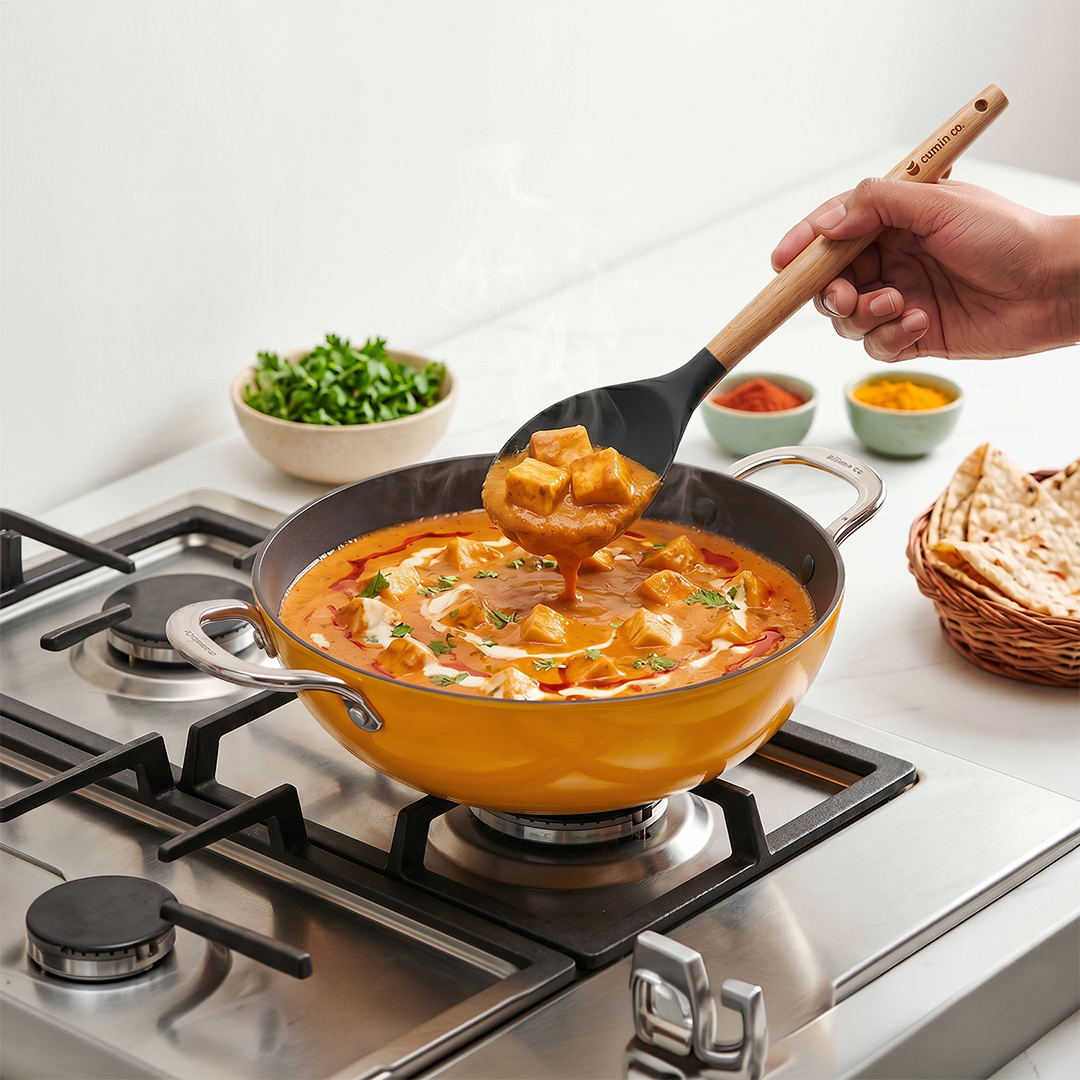
Enamel Cast Iron Kadai with Lid: 100% Non Toxic Induction Kadai, Naturally Non Stick
The kadai takes more thermal punishment than anything else in an Indian kitchen. High flame tadka, gravies simmering for thirty to forty minutes, oil at 180°C for frying, then a harsh cleaning cycle. Every material fails that cycle differently. non stick peels and break where the flame concentrates and the spatula works hardest. Thin steel and aluminium lose oil temperature the moment food goes in. Bare cast iron rusts within days of one missed drying, and tomato or tamarind strips its seasoning back to raw metal.
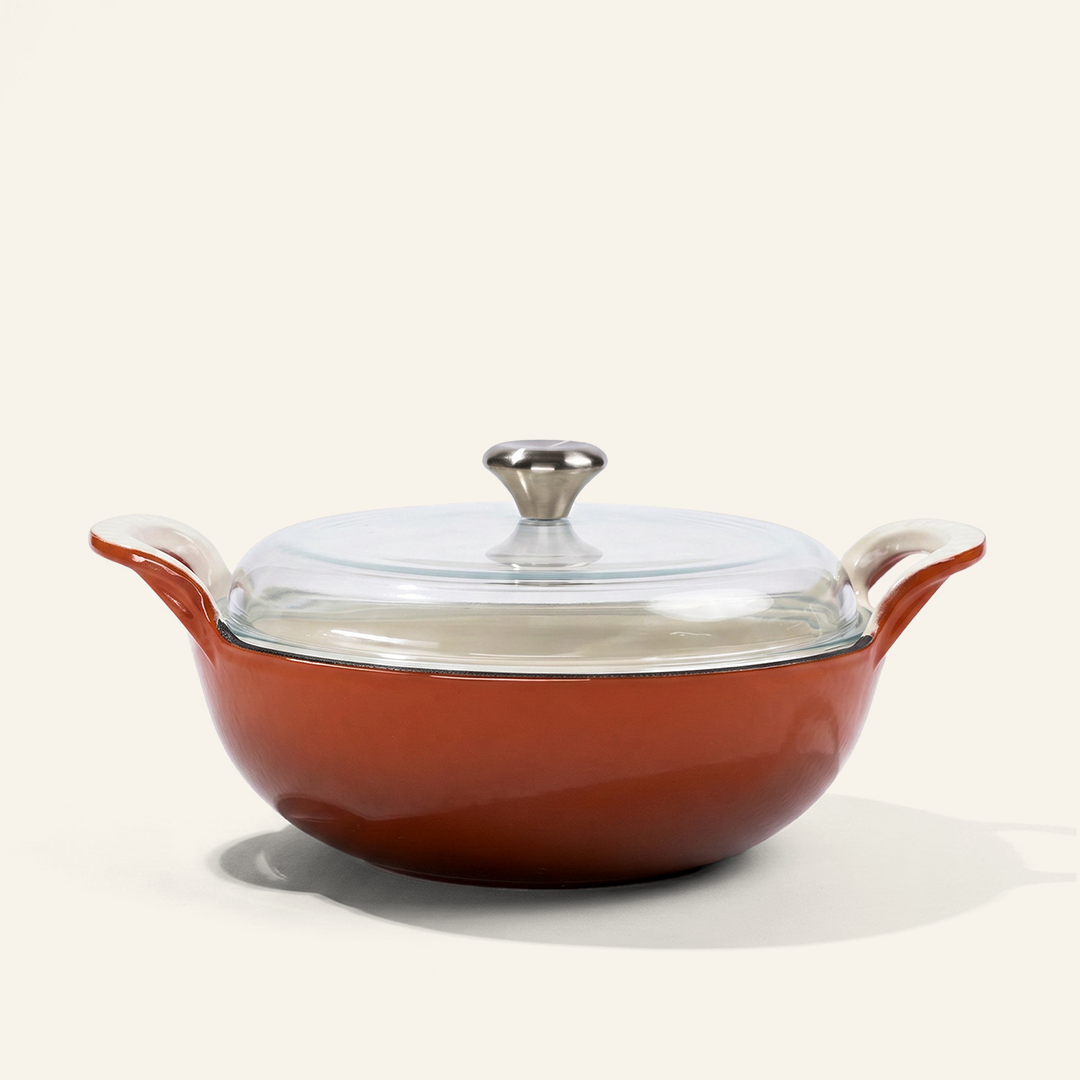
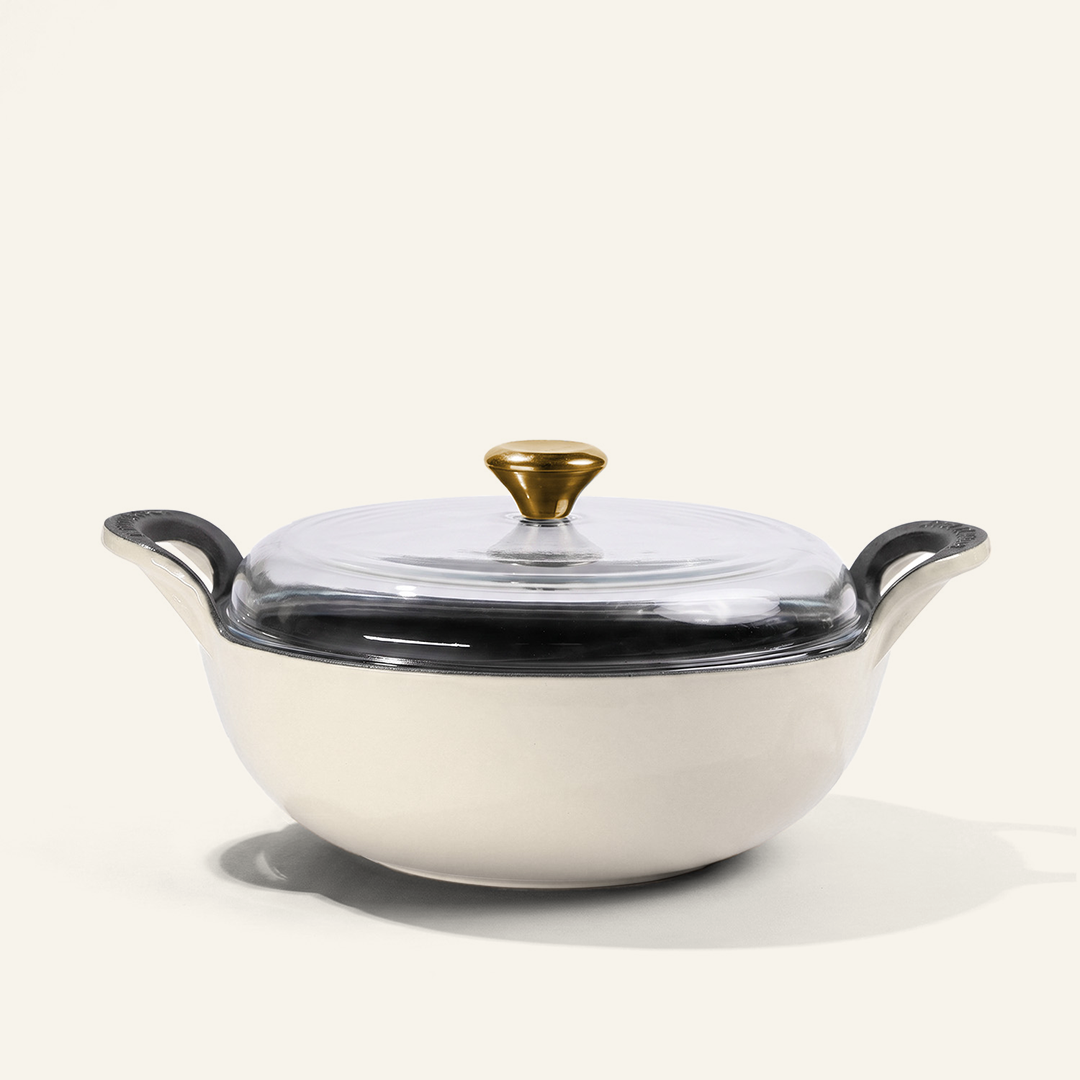
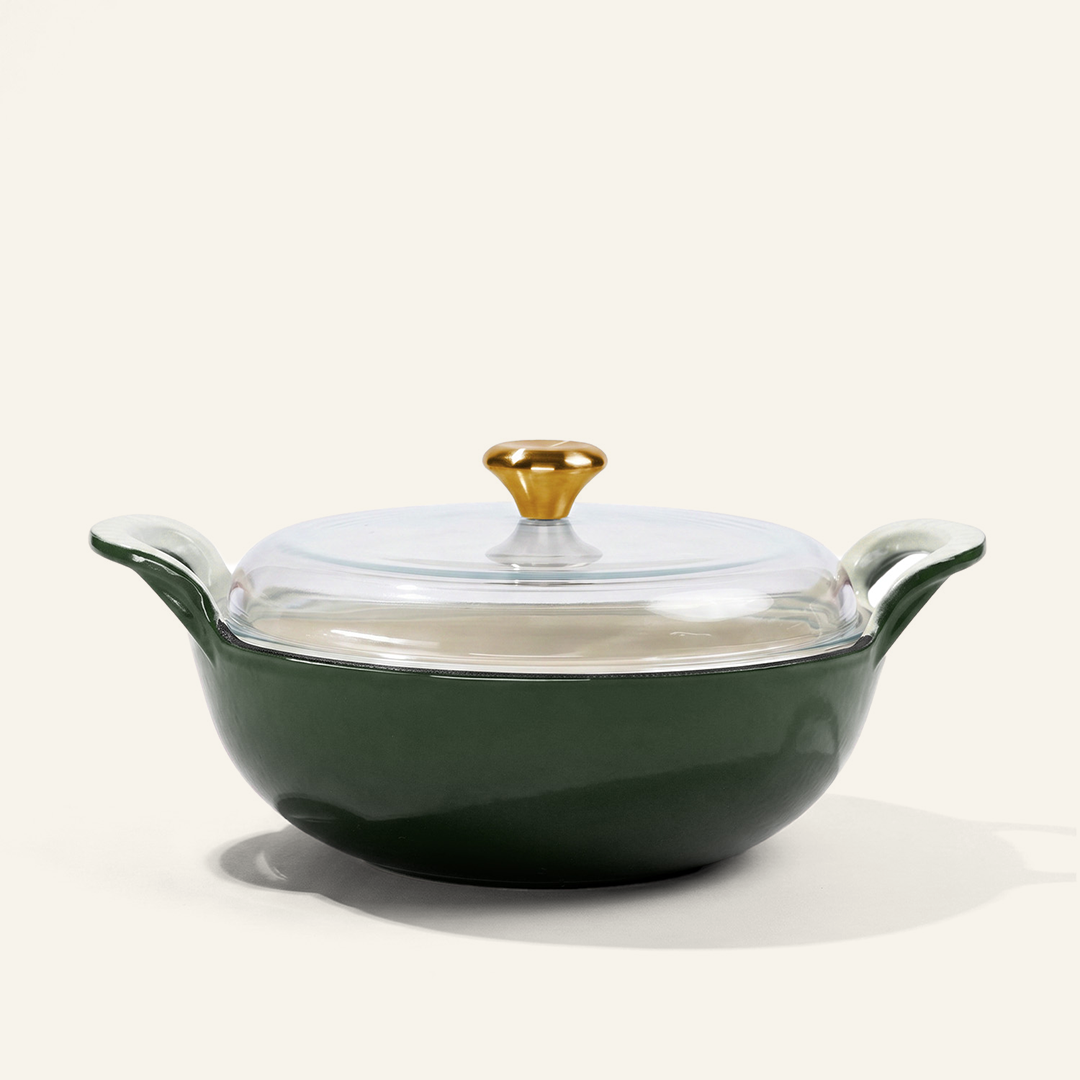
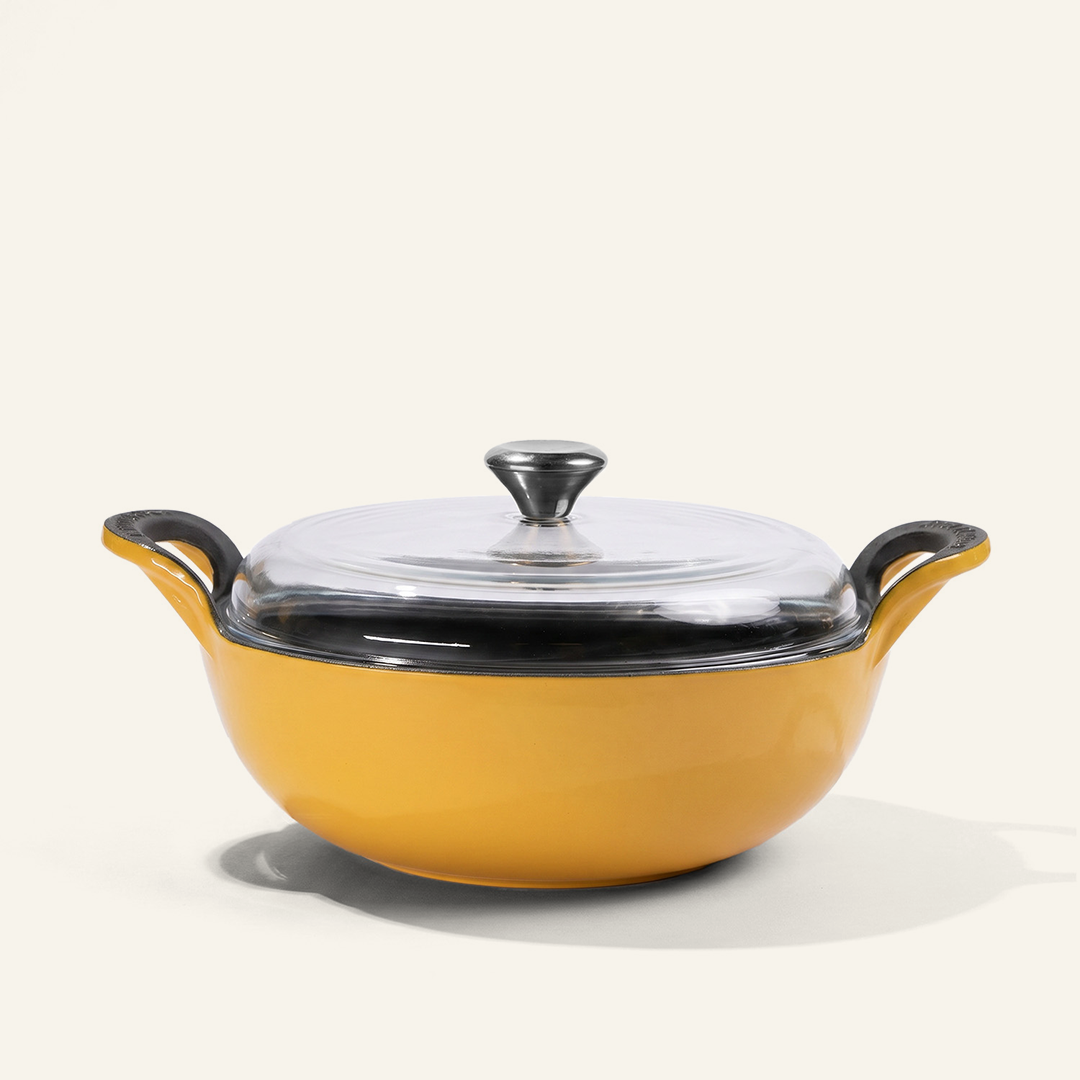
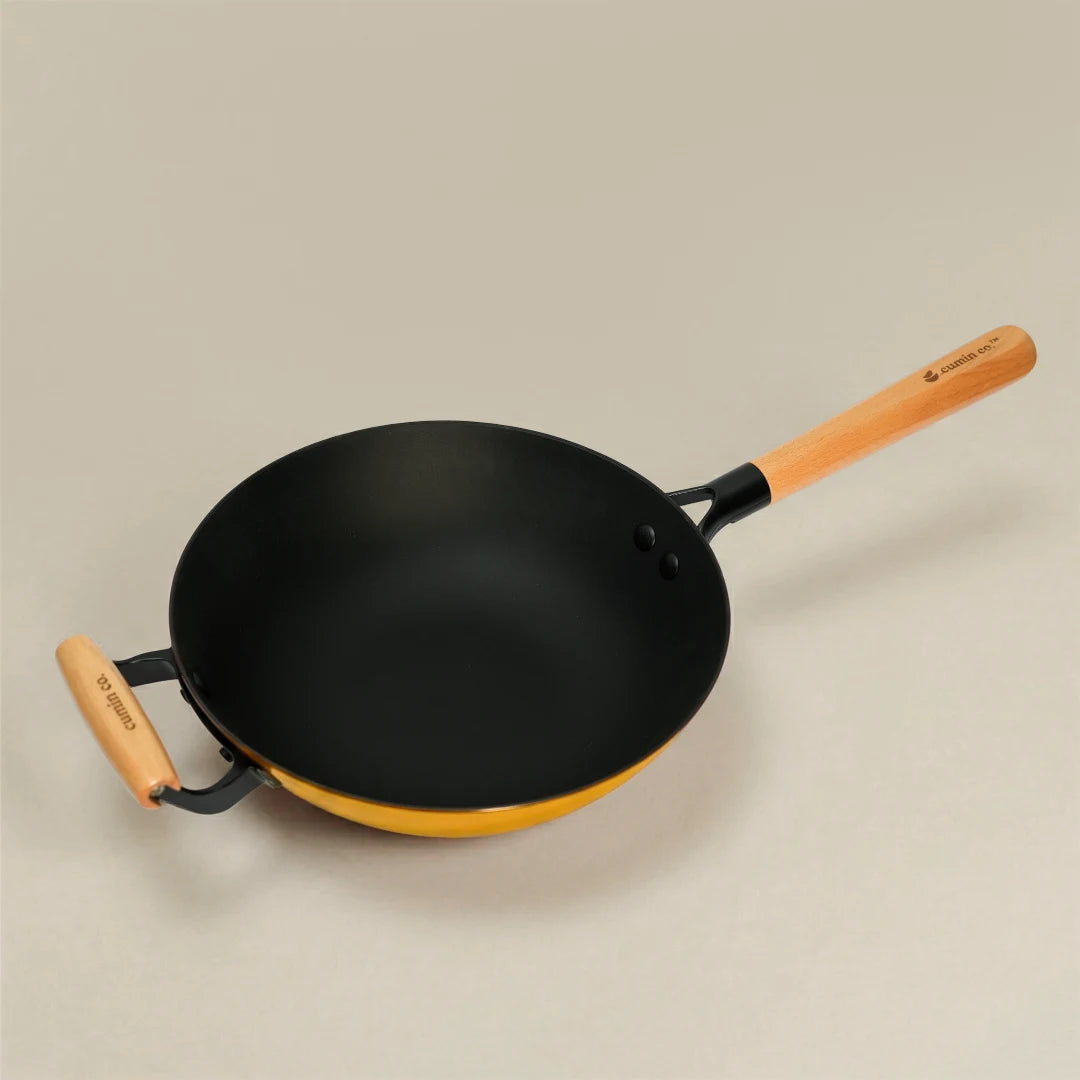
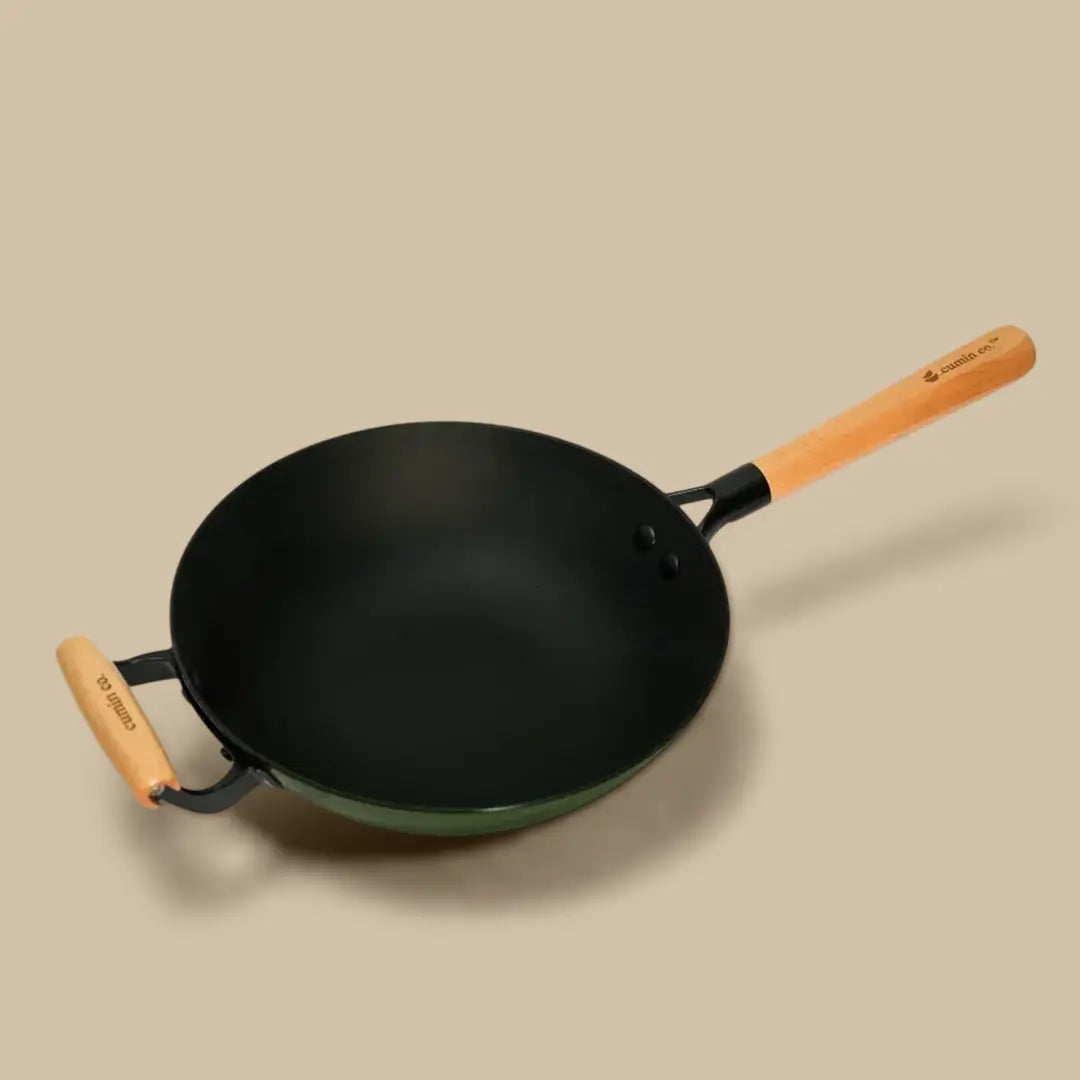
Cumin Co.'s range is enamel fused to cast iron. Four sizes from 2.1L to 5.5L, each available with or without a lid, a compatible base for induction cooking, a four layer titanium infused enamel surface recognised by three patents, and no seasoning at any point in its life.
What Is an Enamel Cast Iron Kadai?
An enamel cast iron kadai is cast iron with a glass surface fired onto the metal at high temperature. It carries cast iron's thermal mass without cast iron's maintenance.
A non stick kadai has a polymer film applied on top of aluminium, and it sits on the surface until it eventually separates. Enamel is fused into the iron across four layers, so it cannot break down at frying temperature.
The difference from bare iron is the release mechanism. Seasoned iron becomes non stick through a layer of polymerised oil built over weeks, a layer that acid dissolves and detergent thins, which is why bare iron sellers advise against tomato gravies and dishwashers. Enamel releases food through surface smoothness and stable heat. There is nothing to build up and nothing to strip, so it behaves the same in year five as in week one.
Why This Is Genuinely a Non Toxic Kadai?
Non toxic is printed on nearly every cookware box in India and carries no information alone. A non toxic kadai should name what it excludes, specifically enough to be checked.
Non Teflon Kadai: No Coating That Can Peel
Most easy release kadais use a fluoropolymer sprayed onto aluminium. It performs for a year or two, then scratches and lifts near the centre, exactly where a kadai runs hottest and where the spatula scrapes during cooking action
This is a non teflon kadai in the literal sense, there is no polymer layer at all. The cooking surface is titanium infused enamel, an inorganic glass fused to iron across four layers. Nothing separates into food, and nothing degrades when you dry roast jeera or hold oil at frying temperature.
PFOA Free Kadai: What That Claim Leaves Out
PFOA was phased out of cookware manufacturing over a decade ago, which is why nearly every brand can claim it. A kadai can be PFOA free and still carry a PTFE coating from the same chemical family.
This kadai is free of PFOA, PTFE, PFAS, lead, cadmium, mercury, and arsenic and other heavy metals, the full list, not the one line most brands print.
PFAS Free Kadai: The Claim Most Brands Avoid
PFAS is the fluorinated forever chemicals family, and most non-stick coatings belong to it. That is why this claim is rarer than PFOA free.
This is a PFAS free kadai by material rather than formulation. enamel contains no fluorinated compounds at any stage of manufacture.
Lead & Cadmium Free Kadai
Lead and cadmium were historically used in glaze pigments to produce bright, heat stable colour, and unregulated enamelware can still carry them. Both are heavy metals that migrate faster in acidic conditions, which describes most of what a kadai cooks.
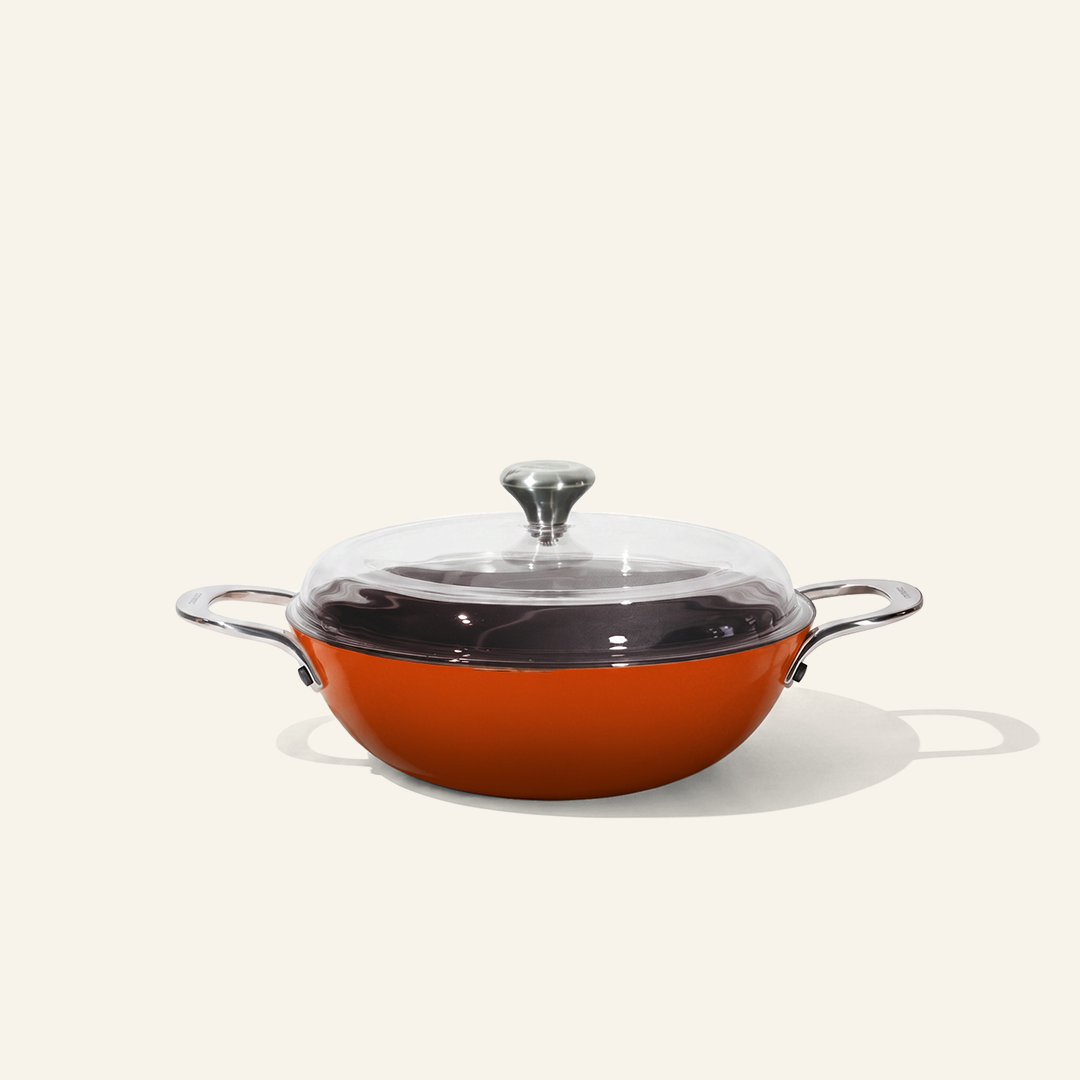
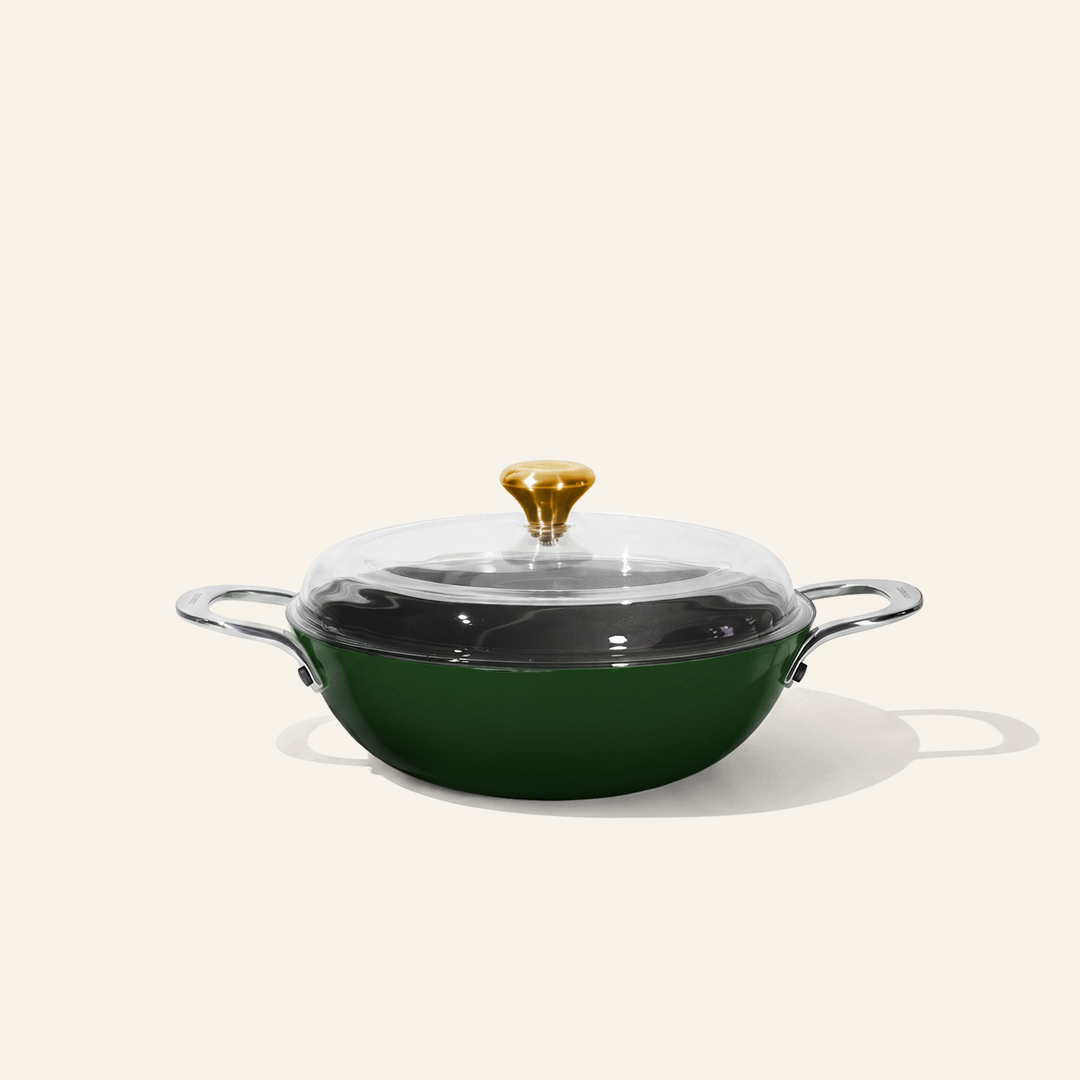
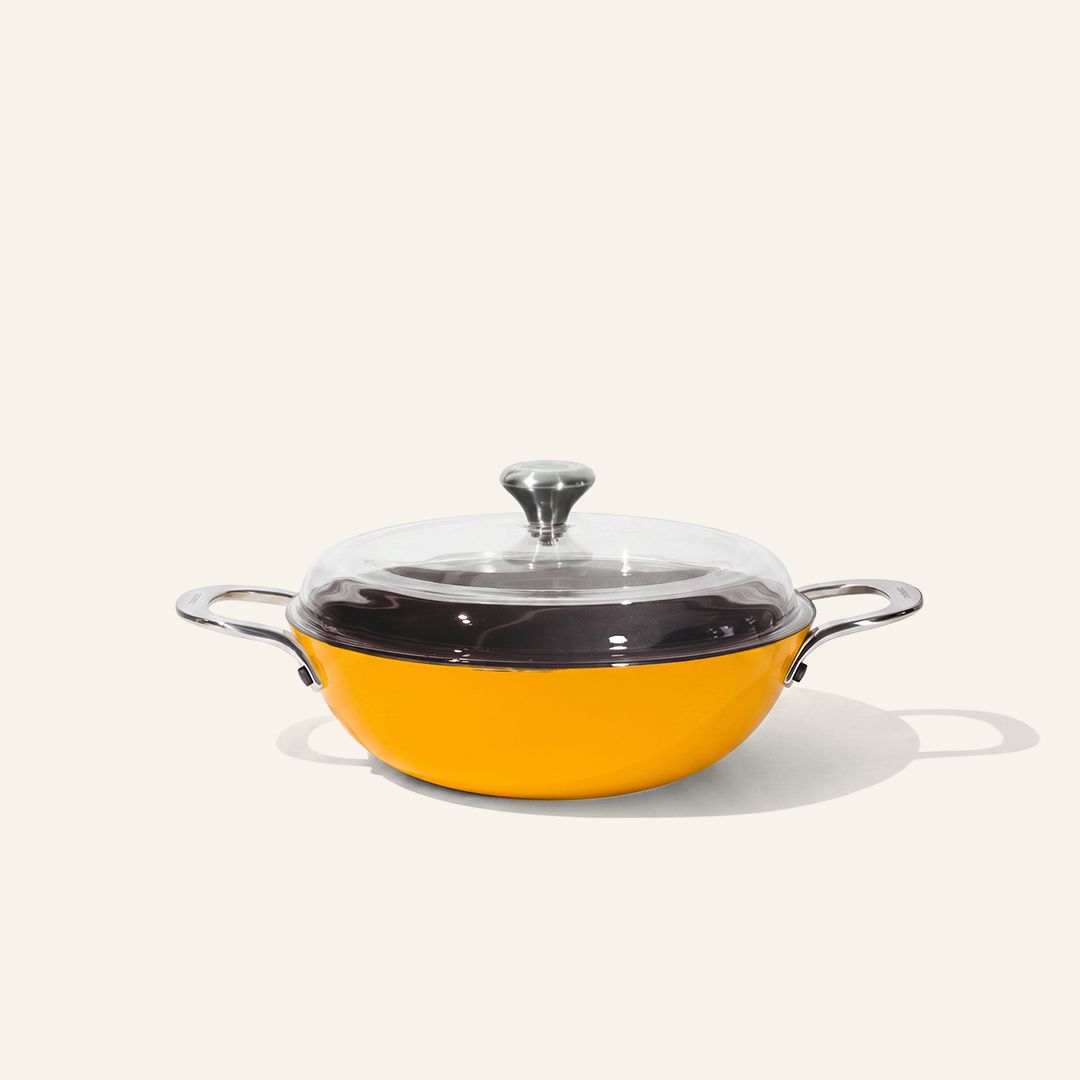
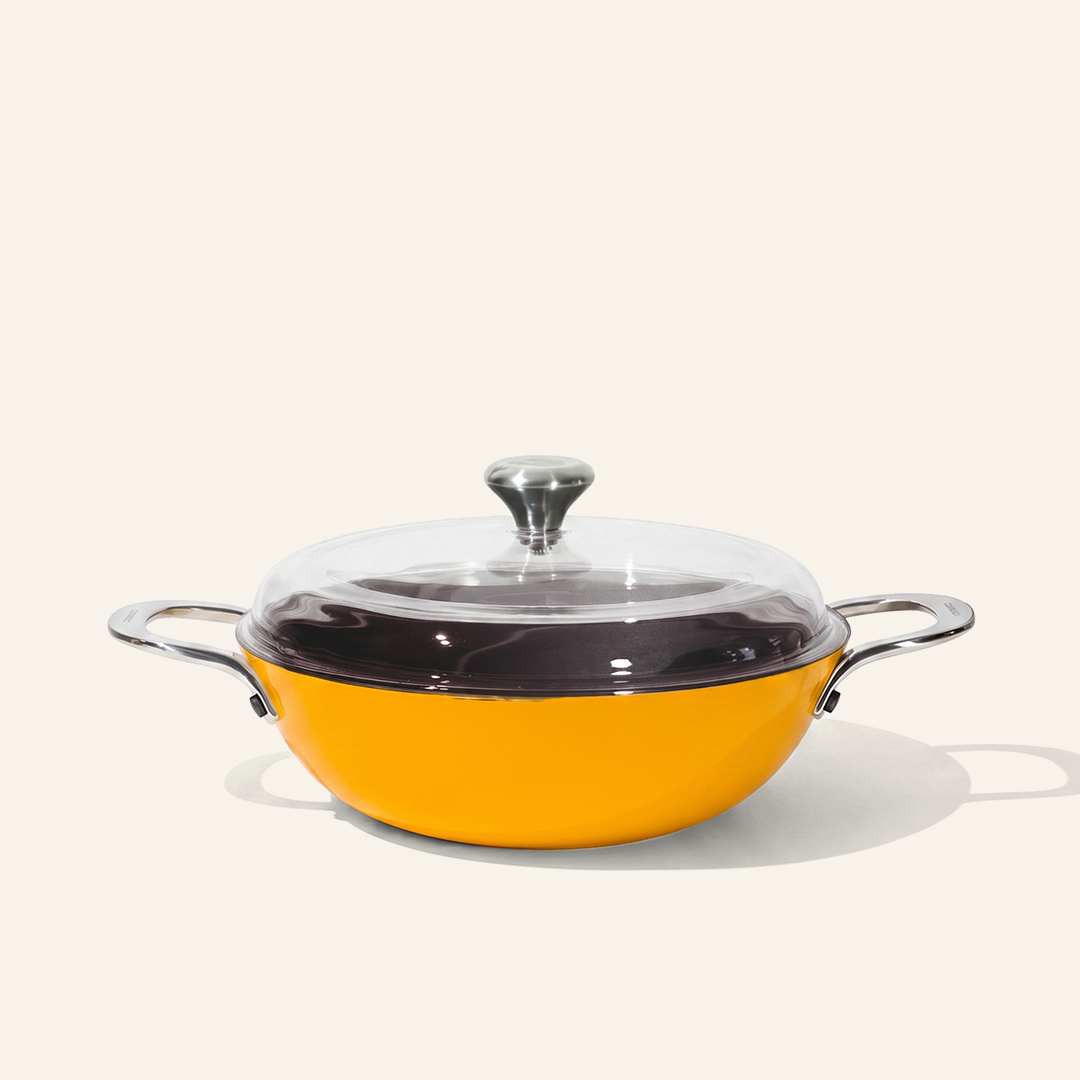
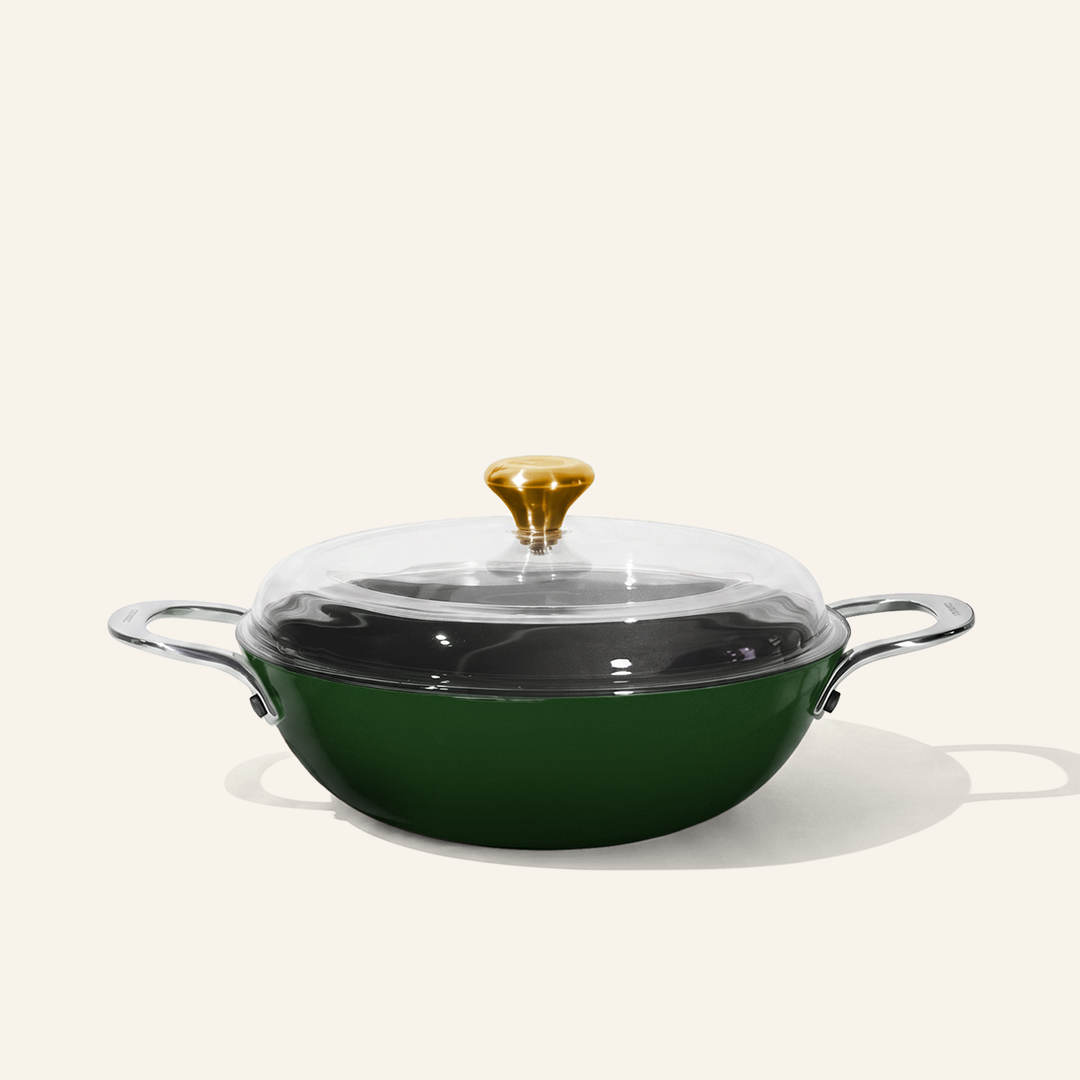
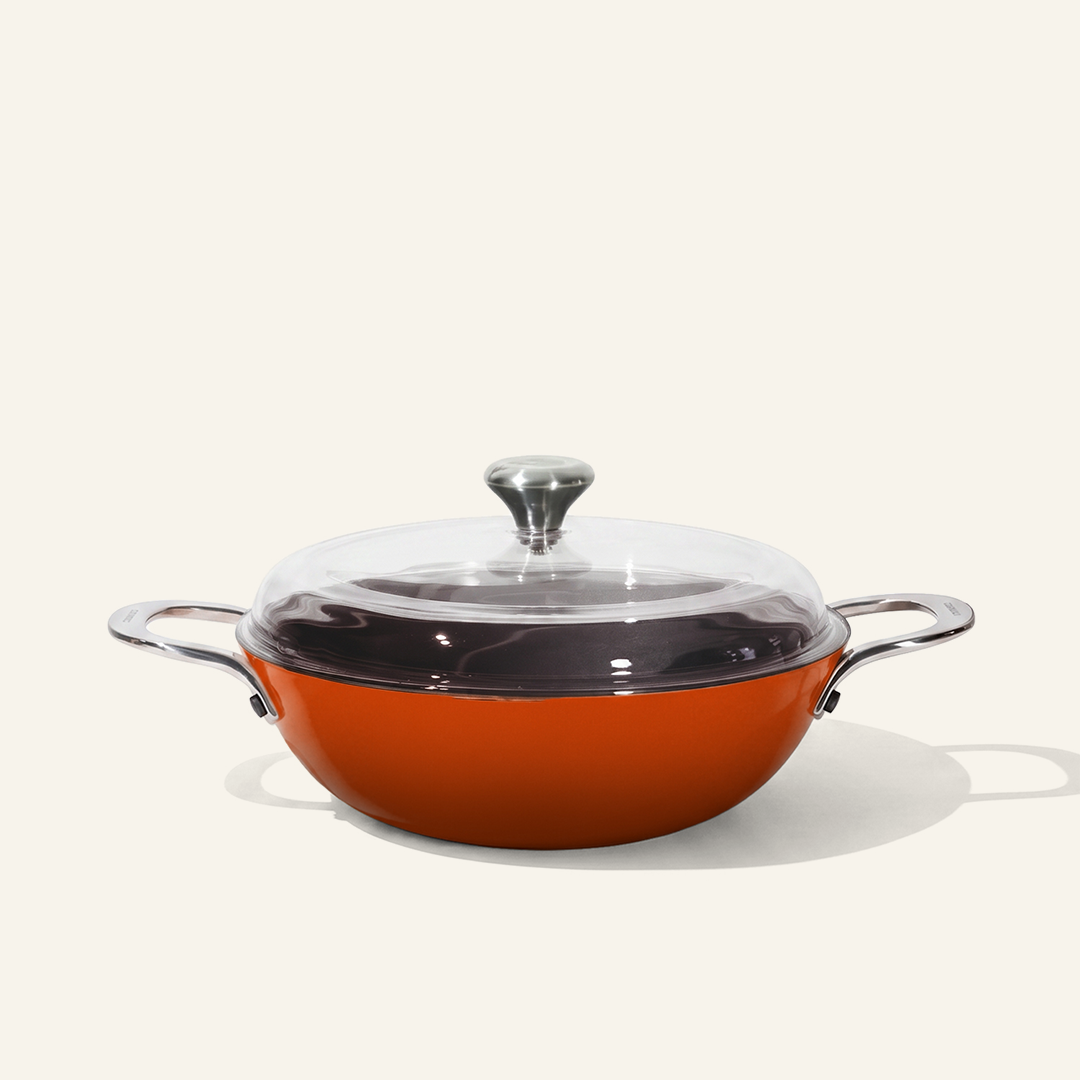
Every colour here, Moringa Green, Kulhad Rust, Sarso Mustard, and Malai White, or the other ones use mineral oxide pigments with no lead or cadmium in the glaze, and no mercury or phthalates. Those oxides stay stable at cooking temperature, which is why the finish holds colour through years of frying instead of dulling.
Special Benefits of Enamel Cast Iron Kadai
Zero seasoning: Non stick from the first tadka, with no oil bake before first use and no re-seasoning cycle after.
Zero rust: Enamel seals the iron completely, so a wet kadai left overnight is not a problem, and neither is a humid coastal kitchen.
Zero reactivity: Tomato, tamarind, lemon, curd marinades, and milk based gravies cook without metallic taste and without surface damage. On bare iron, all of these strip seasoning, and curd can grey.
No metal leaching: Food contacts fused glass, not raw metal. No aluminium in the construction.
Scratch resistant: Titanium infusion raises surface hardness enough for daily spatula work. Wood and silicone remain best practice, but occasional metal will not damage it.
Deglazes cleanly: Fond that sticks during browning lifts off glass with a splash of water or tomato. On seasoned iron, deglazing with acid costs you seasoning. Here it costs nothing and adds flavour to the gravy.
Low maintenance: Wash, dry, store. No oiling before storage, no special detergent, no keeping it away from moisture.
No migration into food: With no PTFE, PFAS, lead, arsenic cadmium, mercury, in the surface, and enamel being chemically non-reactive, nothing transfers from the kadai during cooking, which is what matters in kitchens cooking for infants or during pregnancy.
Naturally Non Stick Kadai: How the Surface Actually Works
Release on a naturally non-stick kadai of this type comes from surface smoothness plus stable heat, not from a coating and not from seasoning. The practical consequence is order of operations: heat the kadai first, then add oil, then the aromatics.
On seasoned bare iron the oil layer is already on the surface, so cold oil in a cold kadai still releases reasonably. On enamel there is no such layer, put oil into a cold kadai, add onions, and they will grip. Give the kadai two to three minutes on medium, then oil, then spices. The seeds should pop within two seconds of hitting the oil. If they sit silent, the kadai went in too cold.
How to Get the Best Out of an Enamel Kadai
Four techniques that differ from seasoned iron or thin steel
Deep frying: test the oil, don't time it. Drop in a bit of batter. It should sink, then rise within about two seconds with steady fine bubbles. Stays down means the oil is too cool and the pakora will soak it up. Floats and browns at once means too hot, so you get a dark shell over raw batter.
Wait between batches. Cold food drops the oil temperature, and that drop is what makes batch two soggy. Cast iron recovers faster than thin steel but still needs 30 to 60 seconds. Let the bubbling settle first.
For spices: let it stick, then deglaze. Masala catching at the base is browning, not burning. On seasoned iron you cannot lift it with tomato or water, because acid takes the seasoning too. Enamel has nothing to lose, so add a splash of water, scrape with a wooden spoon, and the fond goes into the gravy.
Curd and milk need no precautions. Curd in a hot bare iron kadai can grey and split. Enamel is inert, so kadhi and korma bases behave as they would in steel.
Avoid thermal shock. Enamel is technically glass. Never put a hot kadai under a cold tap, least of all after frying. Let it stand for a few minutes. Do not preheat it empty on a full flame.
The lid chips first. Rims chip from impact, not cooking. Set the lid down flat, and do not stack heavy metal on it.
Flat Base Kadai: Even Oil Depth, No Wobble
Traditional kadais have round or curved bottoms. That shape suits a gas flame but creates two problems.
On induction it rocks and loses contact with the plate, so heating goes uneven regardless of the metal being magnetic. And for frying, a round bottom means oil pools deep at the centre and shallow at the edges, so pieces sitting at the rim fry in less oil at a lower temperature, which is why one batch comes out unevenly coloured.
Every Cumin Co. kadai has a flat, wide base. Oil sits at a uniform depth across the whole surface, so every piece in a batch fries the same. On gas, that flat area also gives you a more usable surface for browning, so masala spreads instead of concentrating in a hot central well where it sticks.
Cast Iron Kadai Heat Retention: Steady Oil, Even browning
This is where weight does the work. A cast iron kadai stores heat in its own body, a thin steel or aluminium kadai stores almost none.
The consequence is measurable in frying. Cold pakoras entering oil pull heat out of it. In a light kadai that heat comes only from the flame, so the temperature crashes and stays down while the burner catches up, batch one crisp, batch two oily. In cast iron the vessel itself feeds heat back into the oil, so the drop is smaller and recovery is faster.
The same technique runs the rest of the kadai's work. Onions brown at an even rate instead of browning only where the flame sits. Gravies reduce steadily rather than in surges. You adjust the flame less often.
Enamel Kadai vs Bare Iron Kadai vs Non-Stick
|
Feature |
Cumin Co. Enamel Cast Iron |
Bare / Traditional Iron Kadai |
Non-Stick (PTFE) |
|
Seasoning |
Never |
Before first use, plus periodic |
No |
|
Rust |
Never |
Within days if left wet |
Maybe, if coating’s gone |
|
Black residue initially |
None |
Yes |
None |
|
Acidic food (tomato, imli, lemon) |
Safe |
Strips seasoning, metallic taste |
Safe |
|
Curd and milk based gravies |
Safe |
Can react and grey |
Safe |
|
Deglazing |
Easy to do |
Costs you seasoning |
Little fond forms |
|
PTFE / PFOA / PFAS |
None |
None |
Coating is PTFE based |
|
Lead & cadmium |
None |
None |
Varies by brand |
|
Heat retention |
Excellent |
Excellent |
Poor |
|
Oil temperature recovery |
Fast |
Fast |
Slow |
|
How it eventually fails |
Chipped rim from impact or thermal shock |
Rust, or seasoning stripped by acid |
Coating lifts at centre, 1 to 2 years |
|
Weight (24cm, with lid) |
2.4 kg (LITE) |
3 to 3.5 kg typical |
About 1 kg |
|
Induction |
Flat machined base, full contact |
Many round base models are not induction friendly |
Yes |
Which Kadai Size Should You Choose?
Listed capacity is brim full, which is not working capacity. For deep frying, fill to roughly one third, because oil rises sharply the moment wet batter goes in, so a 3L kadai holds about 1L of frying oil safely. For gravies, two thirds is the practical ceiling before splatter. Size up accordingly.
|
Size |
Diameter |
Capacity |
Weight (with lid) |
Best For |
|
No. 9 LITE |
24 cm |
2.1 L |
2.4 kg |
3 to 4 people, daily sabzi, tadka, quick curries |
|
No. 10 Classic |
26 cm |
3 L |
3 kg |
4 to 5 people, everyday all-rounder, deep frying |
|
No. 11 LITE |
28 cm |
3.9 L |
2.8 kg |
4 to 5 people, gravies with volume, weekend frying |
|
No. 13 LITE |
32 cm |
5.5 L |
4 kg |
5 to 6 people, joint families, biryani, bulk frying |
Kadai with Lid or Without?
Every size is available both ways. A lid does three specific things in Indian cooking. It traps steam so dum-style cooking works, it keeps sabzi from drying out during a long simmer, and it cuts oil splatter substantially during frying.
Buy without a lid only if you already own one that fits the same diameter. A lid that sits loose lets steam escape and defeats the purpose.
Induction Kadai: Kadai with an Induction Base That Actually Works
Cumin Co.'s kadai range has a flat base that sits flush against the plate, so the full base heats rather than a ring at the centre. The same base gives stable contact on a gas burner, and the range works on ceramic and electric cooktops too. Heat safe up to 260°C, so it goes from stovetop to table for finishing and serving.
Our Enamel Kadai Range
|
Product |
Size |
Capacity |
Colours |
|
24 cm |
2.1 L |
Moringa Green, Kulhad Rust, Sarso Mustard, Malai White |
|
|
24 cm |
2.1 L |
Moringa Green, Kulhad Rust, Sarso Mustard |
|
|
26 cm |
3 L |
Moringa Green, Kulhad Rust, Sarso Mustard, Malai White |
|
|
28 cm |
3.9 L |
Moringa Green, Kulhad Rust, Sarso Mustard, Malai White |
|
|
28 cm |
3.9 L |
Moringa Green, Kulhad Rust, Sarso Mustard |
|
|
32 cm |
5.5 L |
Moringa Green, Kulhad Rust, Sarso Mustard |
|
|
32 cm |
5.5 L |
Moringa Green, Kulhad Rust, Sarso Mustard |
What You Can Cook In this Enamel Cast Iron Kadai?
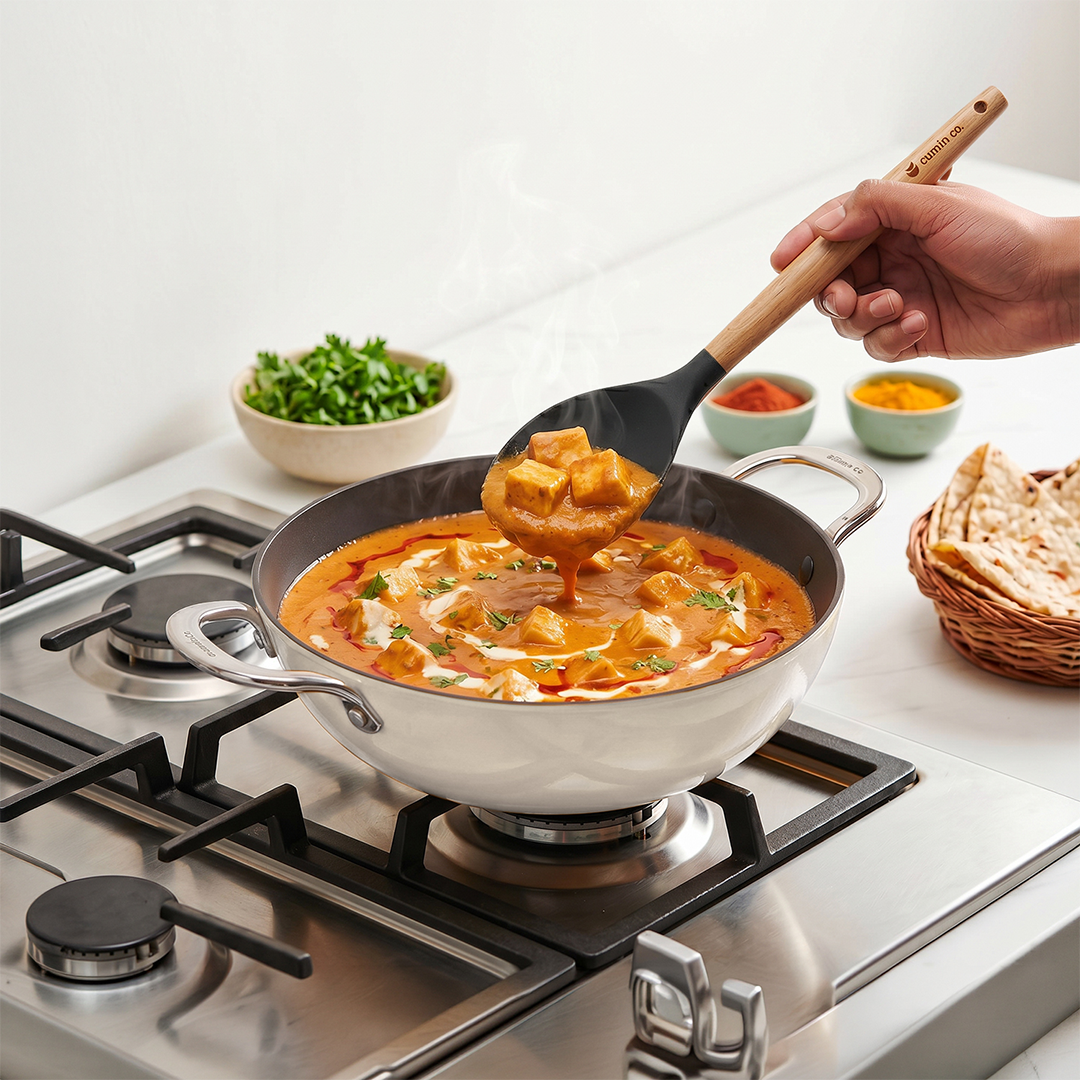
Sabzi, curries, and gravies. browning, onion tomato bases, curries that simmer for thirty to forty minutes without catching. The enamel is non reactive, so tamarind, tomato, and lemon finishes are all safe, and the fond that forms during browning deglazes straight into the gravy.
Deep frying. Pakoras, samosas, bhajiya, puris. Thermal mass keeps oil temperature stable between batches, and the deep wide profile reduces splatter compared with a shallow pan.
Biryani and dum cooking. The flat base spreads heat across the bottom layer instead of concentrating it in a central well, which is what stops the base catching before the top is done. The lid does real work here.
Kadhi, korma, and curd based gravies. Enamel is inert, so curd goes in without splitting from metal contact, something bare iron cannot promise.
Halwa and traditional sweets. Sooji and besan halwa need long, controlled roasting without temperature spikes. Thin cookware scorches the base before the middle is done, cast iron's mass prevents that.
Dry roasting spices, peanuts, whole spices. Enamel takes dry heat without damage, and unlike seasoned iron there is no oil layer to burn and taint the next dish. Keeping it at medium, empty high heat is the one condition enamel dislikes.
How to Use and Care for Your Enamel Kadai?
First use: rinse, dry, cook. No seasoning, no oil bake, no conditioning.
Preheat: medium, two to three minutes, then add oil. Cast iron at medium does what a thin pan does at high. Do not run it empty on a full flame.
Utensils: wood or silicone daily. Occasional metal is fine, daily metal scraping is not.
Cleaning: warm water and regular dish soap. No wire scrubbers. A short soak lifts stubborn residue without scrubbing.
Cooling: let it stand several minutes before it meets water, especially after frying. Hot enamel into cold water risks crazing.
The lid: set it down flat rather than resting it against the kadai rim. Rim chips come from impact, not from cooking.
Storage: anywhere, including humid or coastal kitchens. No oiling, no rust precautions.
Why Buy an Enamel Kadai from Cumin Co.?
Certified to food contact standards, US FDA and Germany's LFGB. LFGB is the demanding one, it tests migration and sensory transfer rather than composition alone, meaning the surface was tested for what actually moves into food, not just what the recipe says is in it.
Three patents on the enamel. Enviromax Pro is proprietary four layer titanium infused enamel, not a generic coating bought in. That formulation is what lets one surface be simultaneously non stick, rust proof, scratch resistant, and stable under acid at frying temperature.
A named exclusion list. Free of PTFE, PFOA, PFAS, lead, cadmium, mercury, and phthalates.


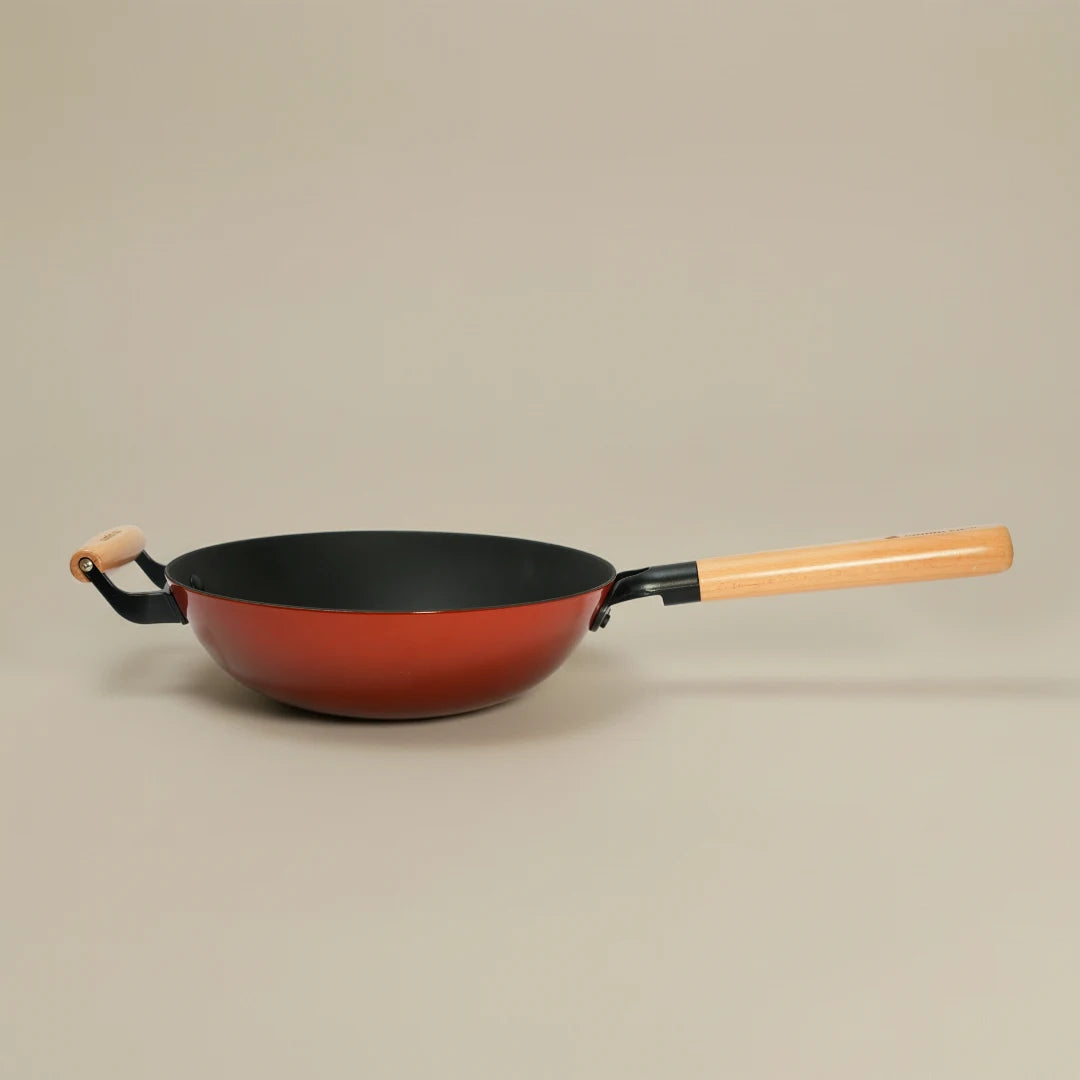
Where masalas truly bloom
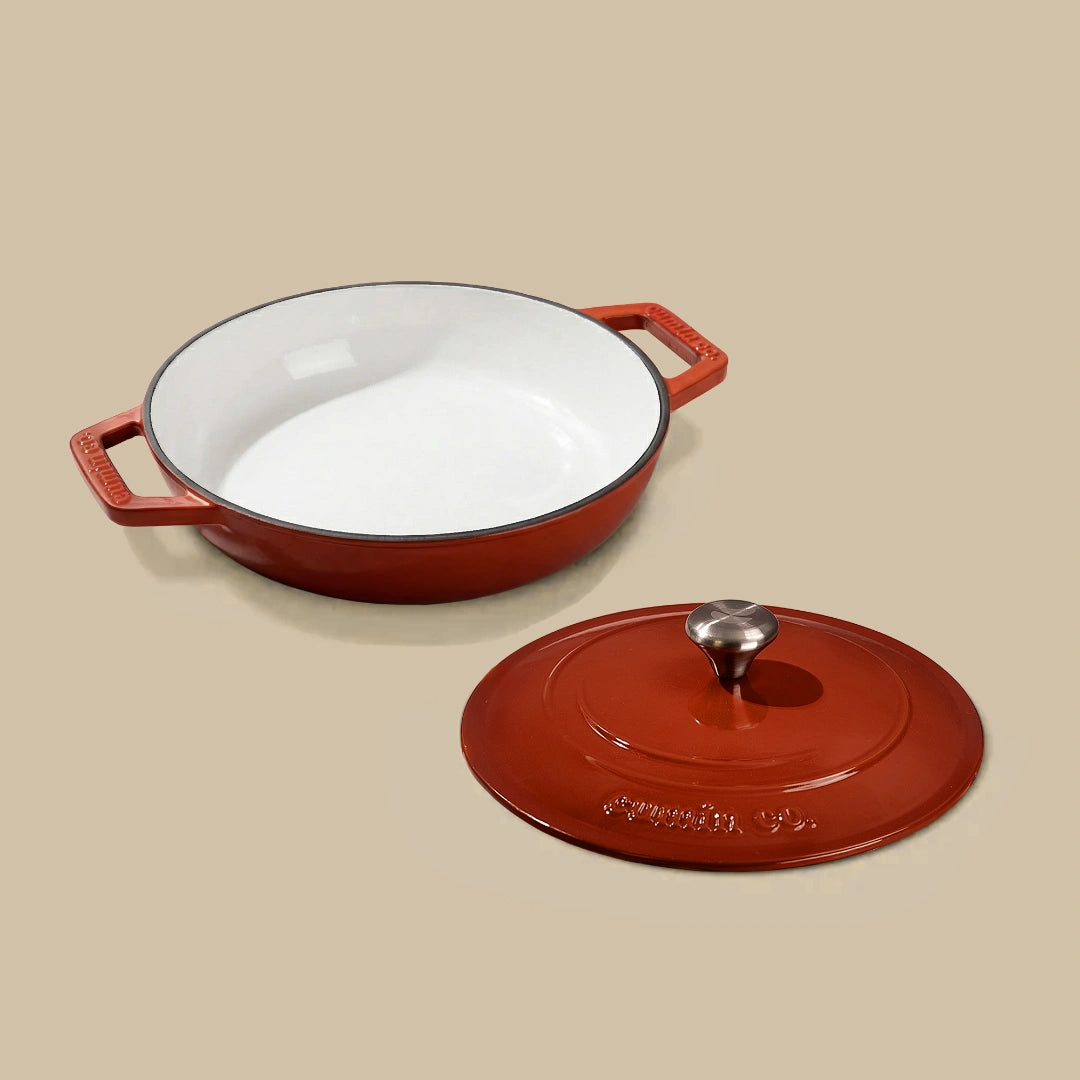
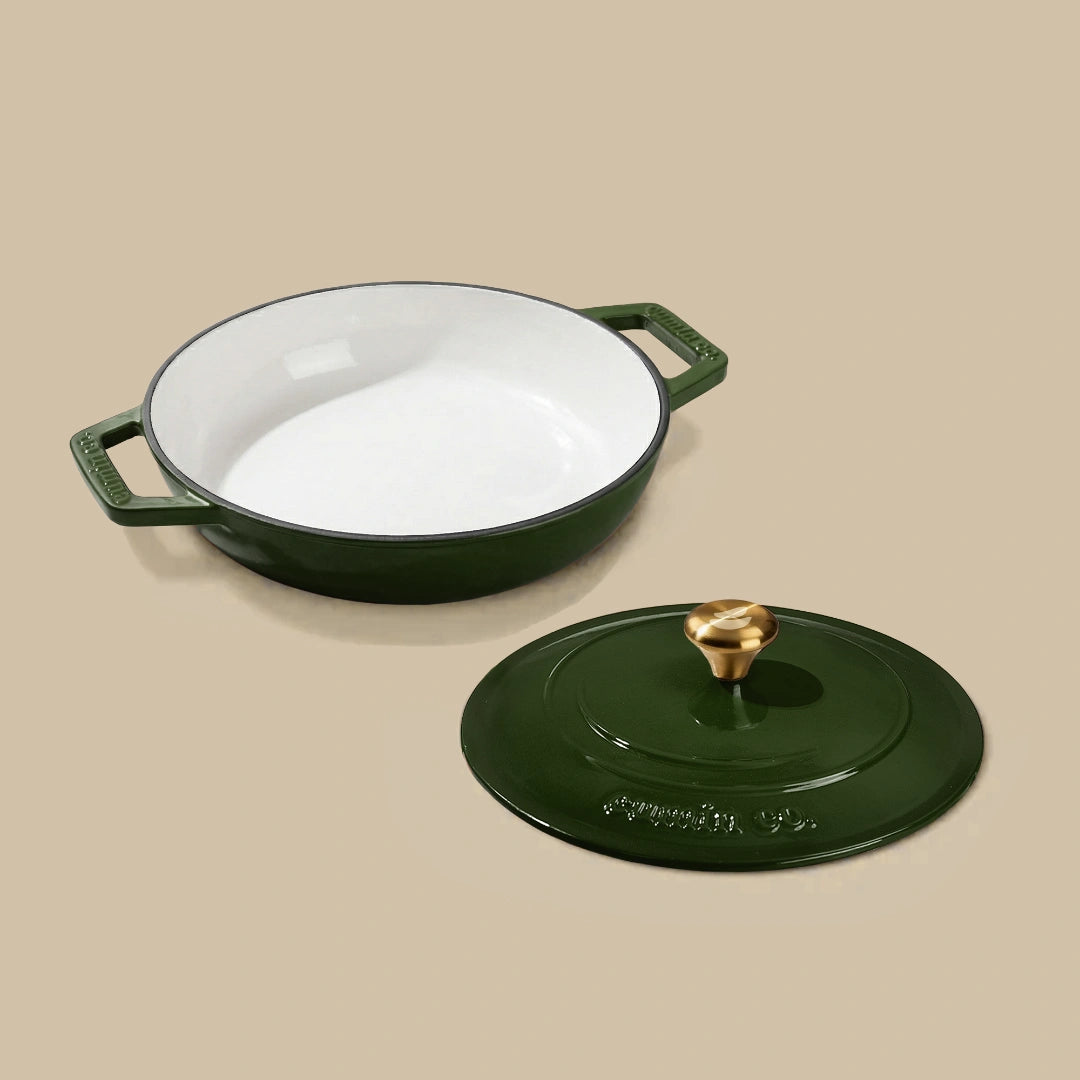
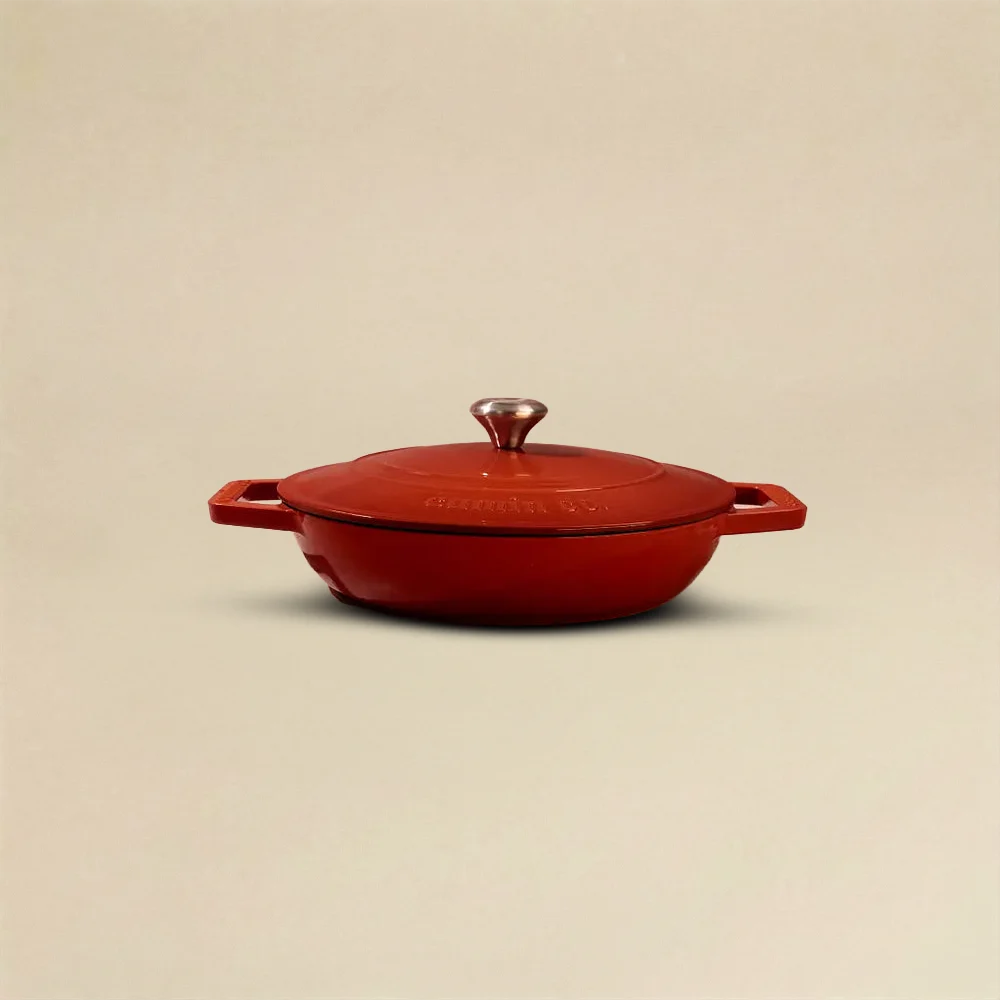
Flip flawless pancakes every day.
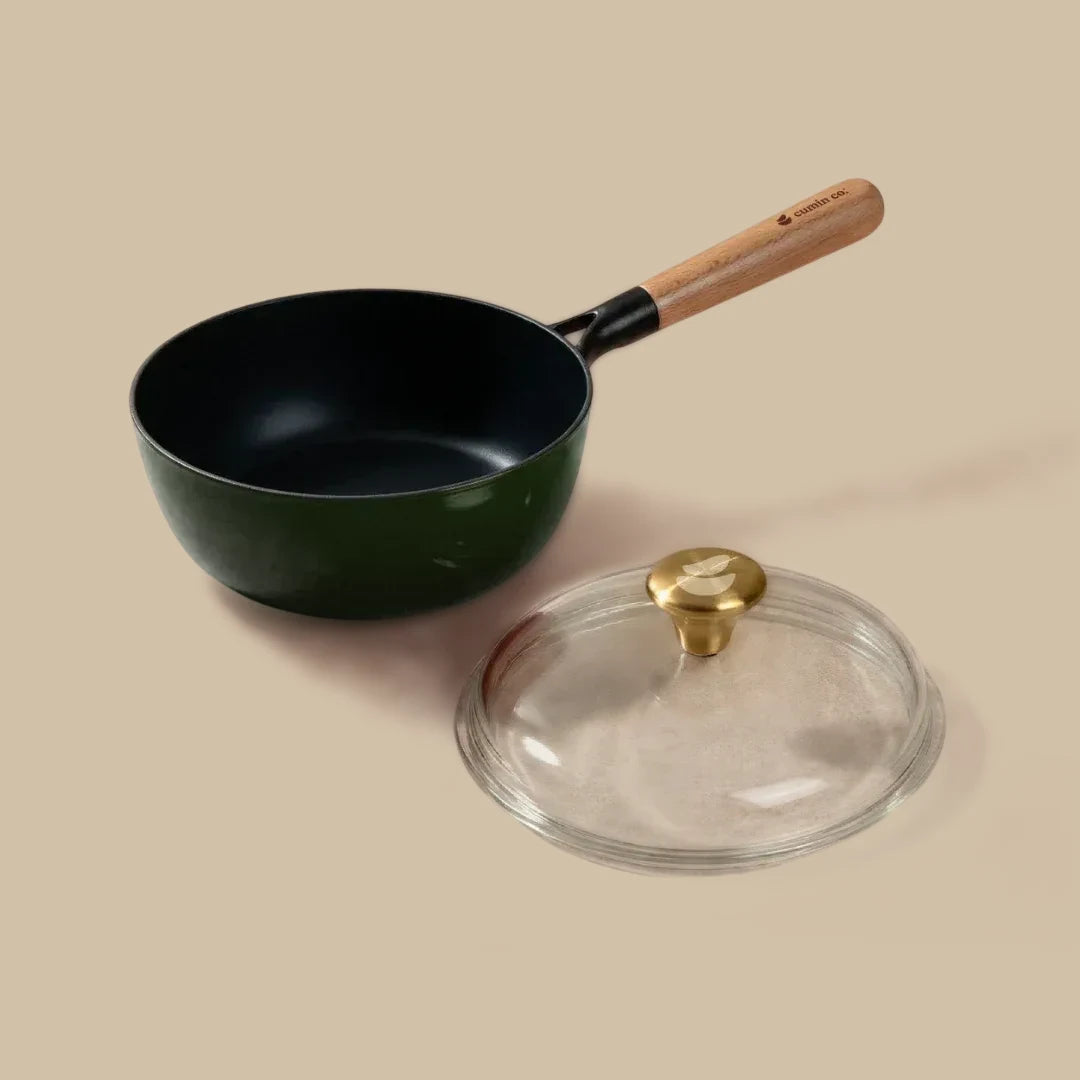
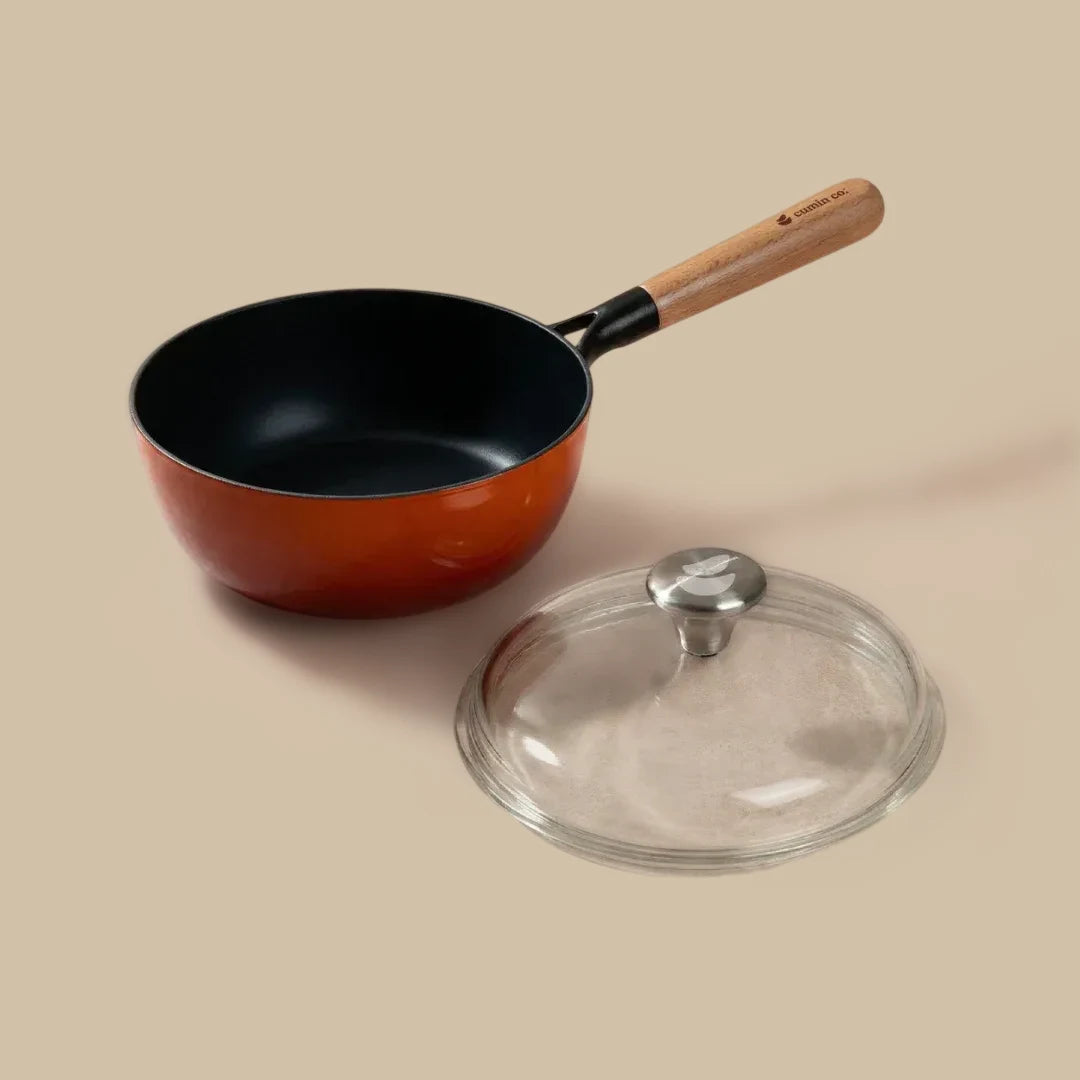
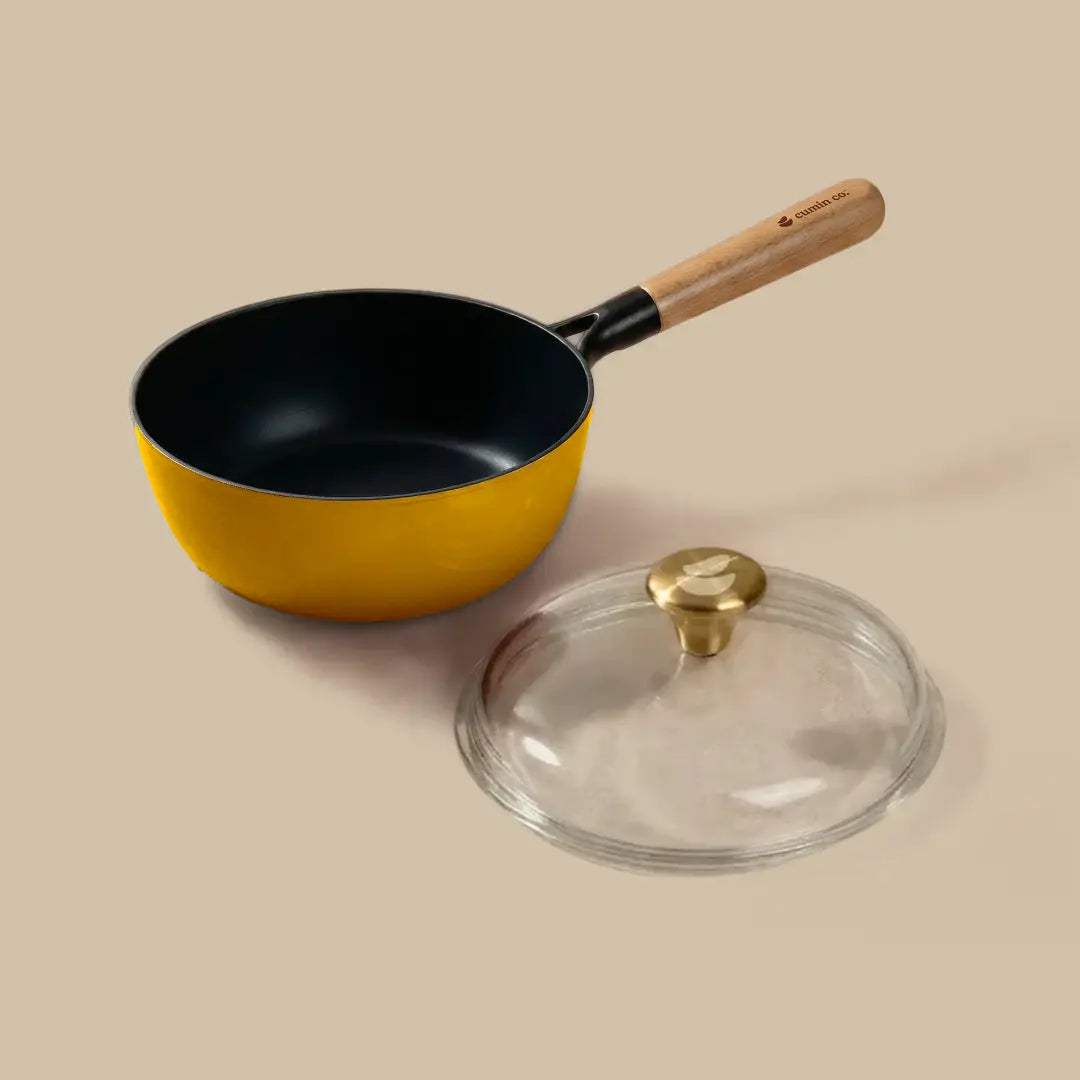
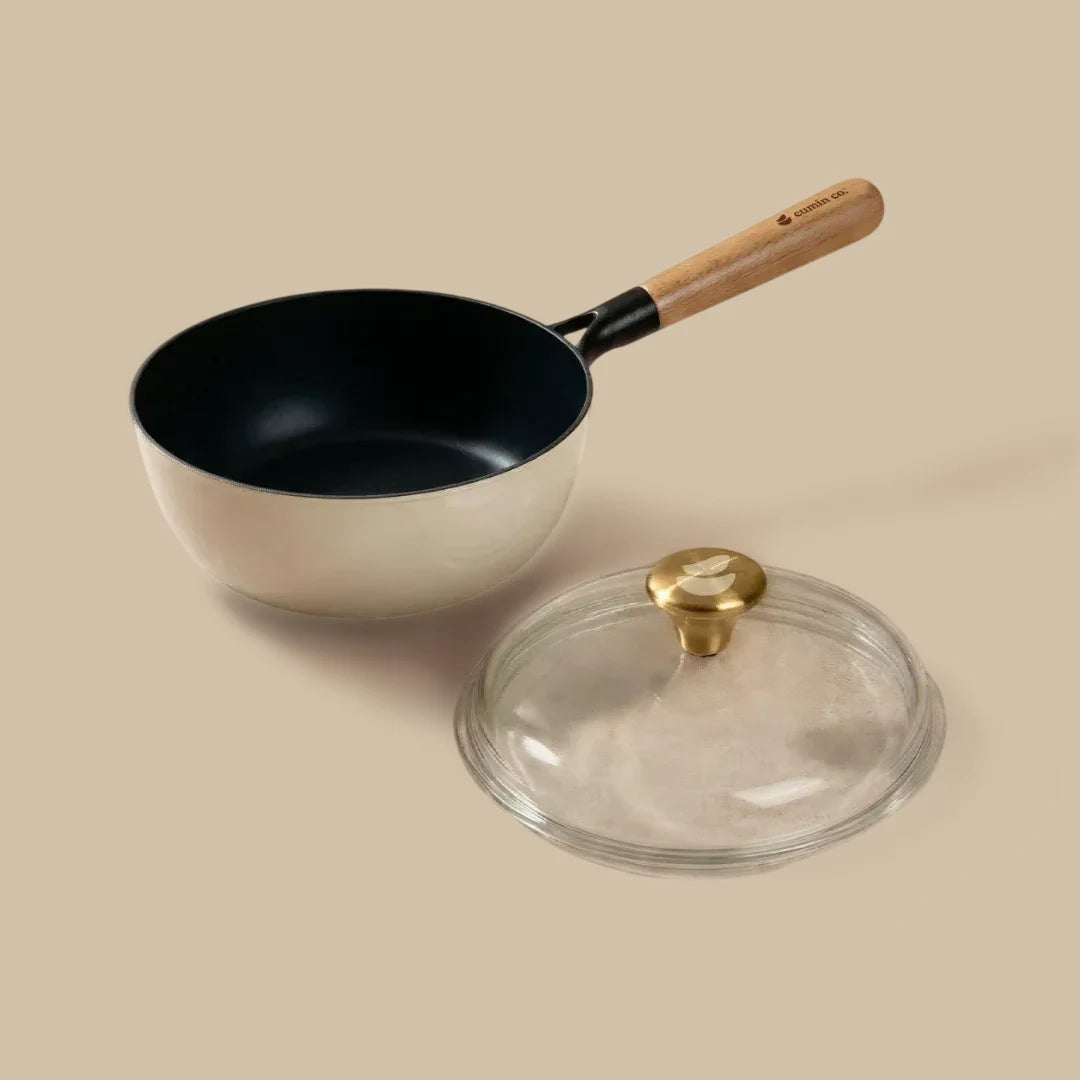
100% Toxin Safe Tadka Pan - Enamel Cast Iron Tadka Pan with Wooden Handle
In a lot of Indian kitchens, the smallest pan somehow gets used the most.
Morning tadka for dal. Garlic oil for noodles at night. Curry leaves crackling in hot ghee before lunch.
Tempering is an essential part of Indian cooking but needs a cookware that delicately balances heat.
If oil overheats suddenly, garlic burns before the jeera catches up. The handle gets too hot halfway through pouring.
Cumin Co. tadka pan is made with Enviromax pro enamel-coated cast iron. No synthetic non-stick layer. No seasoning required either.
What is a Tadka Pan & Why Every Indian Kitchen Needs One?
Most Indian food feels unfinished without tempering. Dals, kadhis, saambhar, curd rice are all incomplete without tadka.
Hot oil hitting spices right at the end changes the smell of the entire dish and sometimes the whole kitchen.
That final drizzle of sizzling garlic, curry leaves, mustard seeds or hing does more than people give it credit for.
What Actually Makes a Good Tadka Pan
The shape and material used matters.
Too shallow and oil splashes out too easily. Too flat and the spices spread around instead of frying properly together. A slightly deeper curve usually works better because the oil stays concentrated near the center.
And the handle matters much more than people expect. Anybody who has awkwardly tried pouring hot tadka into dal while oil splutters everywhere already knows this.
Why Choose Enamel Cast Iron Tadka Pan Over Other Materials
Cast Iron Tadka Pan vs Non Stick Tadka Pan
A non-stick tadka pan feels easy in the beginning because it heats quickly and weighs almost nothing.
But repeated tadka is rough on coatings. Smoking oil every day at high heat can cause non-stick coatings to peel and flake. Eventually the center starts looking worn-out.
An enamel cast iron tadka pan behaves differently once it gets hot. The heat stays steadier while cooking, which helps while tempering spices quickly. Mustard seeds pop more evenly. Garlic gets time to turn golden instead of going dark immediately.
Cast Iron vs Stainless Steel Tadka Pan
Stainless steel heats very fast. Sometimes too fast for tadka. You look away for five seconds and suddenly the garlic tastes bitter.
Cast iron heats up more consistently giving more room for oil to heat evenly so that the aromatics do not turn bitter.
Enamel Coated Cast Iron vs Raw Cast Iron
Raw cast iron works beautifully until somebody leaves it wet after washing.Then comes the rust panic. Raw cast iron also required frequent seasoning.
An enamel-coated cast iron tadka pan removes most of that extra maintenance. No seasoning. No oiling after every wash. No worrying about moisture sitting overnight.
Wash it normally. Use it again tomorrow.
Key Features of Cumin Co. Enamel Cast Iron Tadka Pan
100% Toxin Safe & Chemical-Free Cooking
This pan is made without PFOA, PTFE, or lead-based coatings.
Smaller cookware usually reaches high temperatures faster than larger pans. Which is exactly why material quality matters more here than people think.
Steady Heat for Better Tadka
Thin pans get too aggressive sometimes. One second the oil seems fine. Next second the garlic has already browned too much and sometimes the oil also catches fire.
A heavier base slows that down, especially useful for spices like hing or curry leaves that burn quickly once the oil overheats.
Works on Gas & Induction Cooktops
Finding a proper induction tadka pan that still feels solid in hand can be strangely difficult.
This pan works on both gas and induction cooktops without feeling flimsy or overly lightweight. Useful for smaller kitchens where induction cooking happens daily.
Comfortable Handle & Easy Pour Spout
Tadka cooking already moves fast, the pan should not make it harder.
A long beechwood handle and an easy pour spout helps while pouring hot oil or ghee over food. Especially once the spices start spluttering aggressively.
Durable Enamel Coating (No Seasoning Needed)
Raw cast iron asks for attention constantly. Dry it immediately. Oil it properly. Don’t leave moisture sitting.
Our tadka pans come with 4 layers of enamel coating that make the pan stain & rust-resistant without any seasoning.
Cooking Compatibility of a Tadka Pan in Daily Cooking
Tadka for Dal, Kadhi & Curries
This is probably what the pan gets used for most.
Jeera in ghee. Garlic frying slowly. Dried red chilli darkening at the very end before everything gets poured over dal.
Tempering Spices for South Indian Dishes
South Indian tempering usually needs quick but controlled heat so that the aromatics do not burn or get bitter. Mustard seeds, urad daal, curry leaves, hing etc are ingredients that tend to turn black if the heat is uncontrolled
Making Chutneys & Garlic Oil Tadka
Smaller pans work better for garlic oil or chilli tempering because the oil stays pooled together instead of spreading thinly around the base. This helps in crisping the ingredients without burning them or turning them bitter.
Small Portion Frying & Quick Saute
Most homes use tadka pans for random small things too. Roasting garlic. Frying green chillies quickly. Toasting spices before grinding them.
The kind of cooking that keeps happening between larger meals.
Serving Hot Tadka Directly on Food
Cumin Co. tadka pan with long beechwood handle and easy-pour spout makes serving hot tadka directly on food safe and easy.
How to Use a Tadka Pan the Right Way
The Usual Tadka Process
Heat the oil or ghee first.
Then add mustard seeds or cumin. Only after they crackle properly should aromatics like garlic, curry leaves, hing or dried chillies go in.
Rushing this stage usually ends in burnt spices and bitter oil.
Common Mistakes While Tempering
Most problems start because the oil or ghee gets too hot too quickly. This leads to aromatics burning within seconds and turning the oil/ghee bitter instead of fragrant. That’s why it is important to use a tadka pan that heats consistently and evenly.
Using very little oil also causes spices to scorch faster than expected.
Why Cumin Co. Tadka Pan is the Healthier Choice
A lot of smaller tempering pans are made using lightweight aluminium or synthetic-coated materials because they are cheap and heat quickly.
The problem usually shows up later.
Repeated high heat slowly leads to coatings wearing off. This causes PFAS to leach into your food.
Our enamel cast iron tadka pan is built for regular Indian cooking without synthetic coatings. Which
And unlike cookware people keep replacing every couple of years, enamel-coated cast iron tends to stay useful for much longer.
FAQs on Tadka Pan
Is cast iron tadka pan safe for daily use?
Yes. Especially in kitchens where tempering happens constantly for dal, curries, sabzi, chutneys and leftovers.
The pan handles repeated high heat comfortably, which matters because tadka cooking is usually much harsher than regular cooking.
Can I use a tadka pan on induction stove?
Yes, provided the base sits flat enough for induction contact.
Some traditional rounded pans struggle slightly there.
Does enamel cast iron need seasoning?
No.
That’s usually the biggest reason people move from raw cast iron to enamel-coated cookware.
No seasoning routine. No drying rituals after washing.
What size tadka pan is best for home use?
Smaller sizes usually work better because tempering does not need large quantities of oil.
A compact pan keeps the spices closer together while cooking.
Enamel Cast iron tadka pan vs non stick which is better?
For occasional use, both work.
But daily Indian cooking tends to be rough on non-stick coatings because tadka often involves very high heat. Cast iron generally handles that kind of repeated cooking more comfortably over time.
For a deeper cookware comparison, read here:
Hard Anodized vs Stainless Steel vs Non Stick vs Cumin Co. Enamel Cast Iron?