 Food Containers
 Cookware Sets
 Limited Edition Launches
 Bakeware
 Serveware
 Corporate Gifting



Why a Toxin-Free Kitchen Matters
In today’s fast-paced world, we focus on buying organic ingredients, avoiding processed foods, and experimenting with healthier recipes. But there’s one element of clean cooking we often overlook: the kitchen itself.
Everyday cookware, plastic storage, and synthetic cleaning supplies may be exposing your family to hidden toxins. Research shows that traditional non-stick pans release harmful chemicals like PTFE and PFOA, and plastic containers can leach microplastics into food.
The solution? Designing a 100% toxin-free kitchen—a safe, sustainable, and modern cooking space that protects your health.
Step 1: Upgrade to Healthy Cookware
The foundation of any toxin-free kitchen is healthy cookware. Traditional options like aluminum, low-grade stainless steel, and cheap non-stick pans degrade over time, releasing toxins into food.
Switch to 100% toxin-free cookware like:
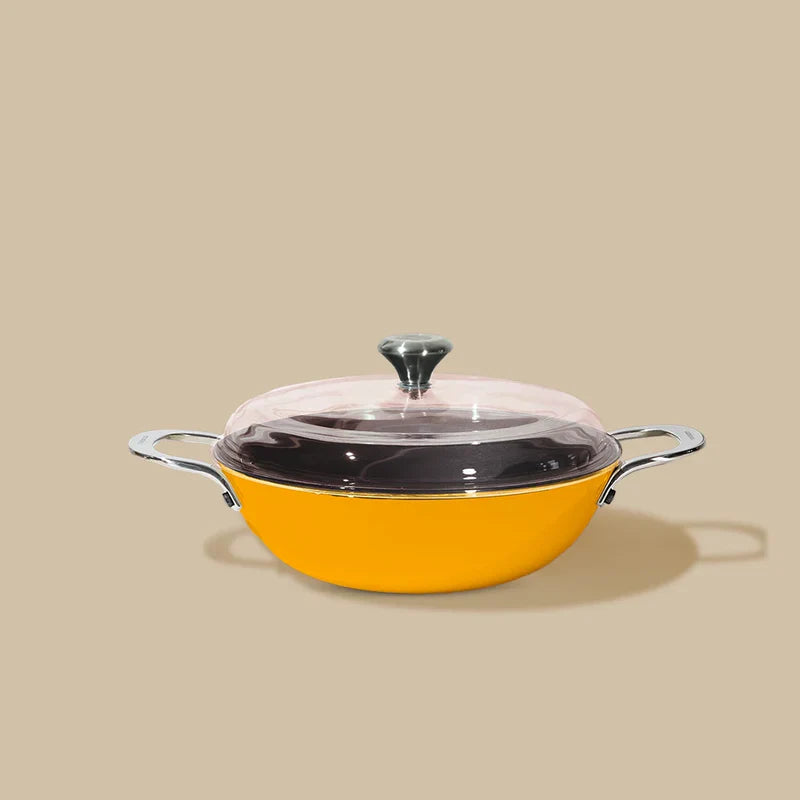
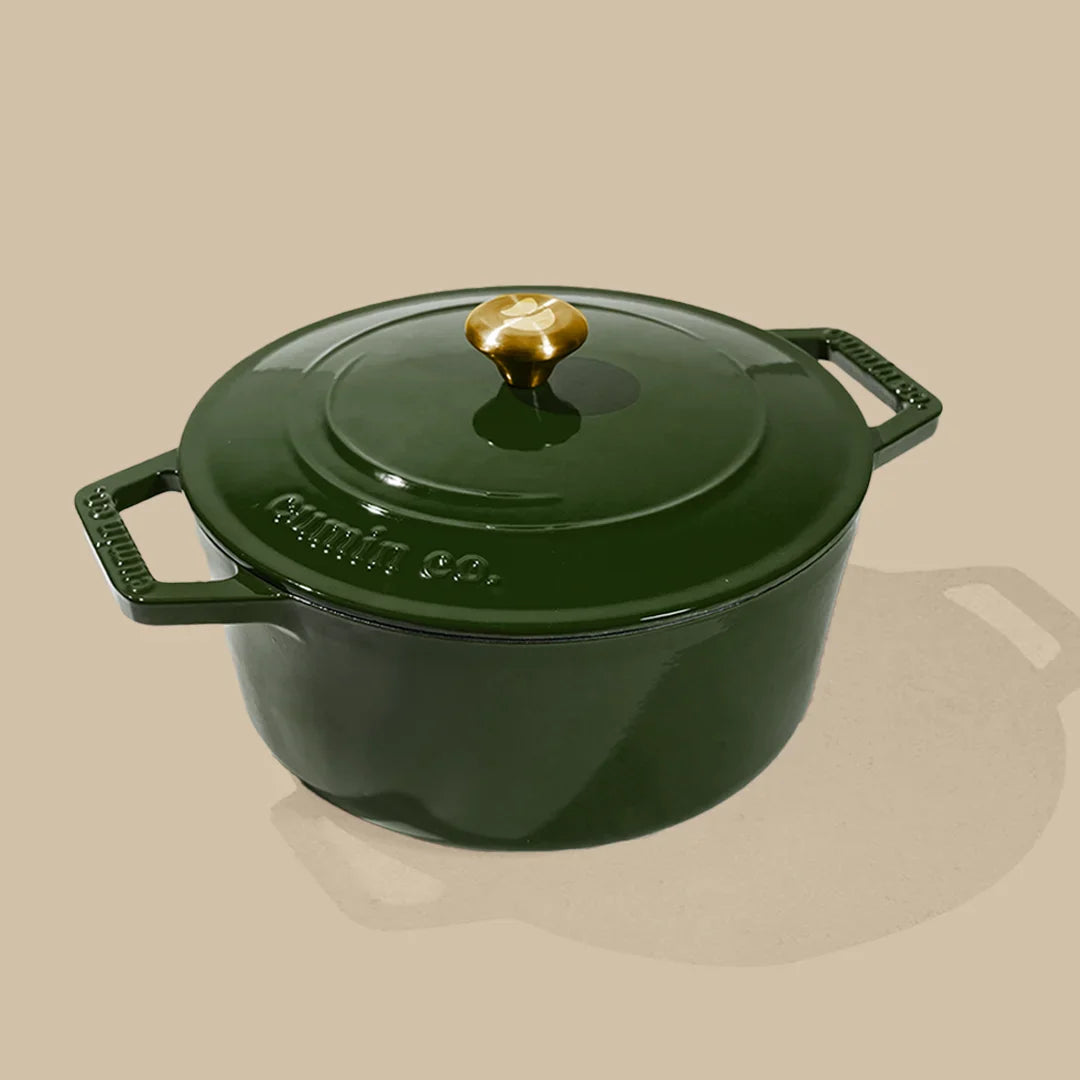
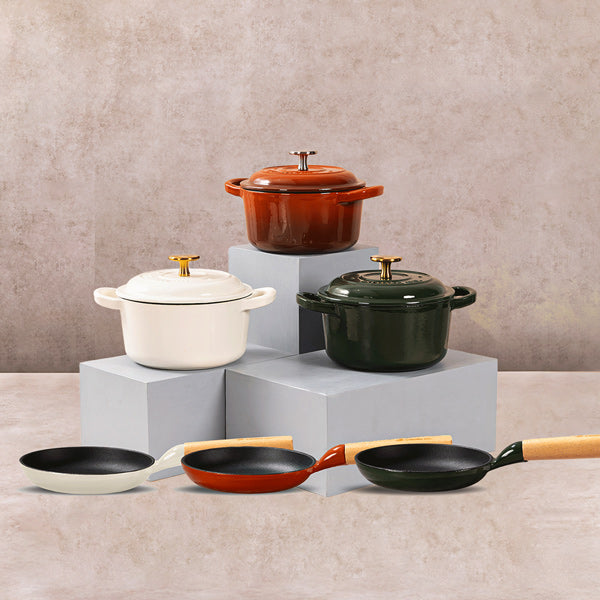
- Enamel Cast Iron Cookware – Non-reactive surface that prevents metallic leaching. Perfect for high-heat Indian cooking.
- Food-Grade Stainless Steel – Durable and safe for all types of cooking.
- Clay and Glass Cookware – Great for slow cooking and storage.
Why Enamel-Coated Cast Iron? Unlike untreated cast iron, enamel-coated cookware requires no seasoning and resists rust. It’s free from PTFE, PFOA, and heavy metals—making it the ultimate upgrade for toxin-free kitchens.
Step 2: Rethink Storage Solutions
Plastic containers and wraps can release microplastics and harmful chemicals like BPA. Instead, go for:
- Glass Jars – Airtight and chemical-free.
- Stainless Steel Tiffins – Long-lasting and non-reactive.
- Silicone Lids – Flexible, reusable, and safe for food contact.
These swaps reduce exposure to toxins and support an eco-friendly kitchen design.
Step 3: Choose Non-Toxic Cleaning Products
Conventional kitchen cleaners often contain harsh chemicals that linger on surfaces and utensils. Opt for:
- Natural ingredients like vinegar, baking soda, and lemon
- Plant-based cleaning liquids free from ammonia and bleach
- Microfiber cloths instead of disposable wipes
A clean kitchen isn’t just about appearances—it’s about maintaining an environment free from invisible chemical residues.
Step 4: Mind Your Utensils
Metal spatulas and cheap plastic spoons can scratch non-stick surfaces or release toxins under heat. Invest in:
- Wooden or bamboo spoons
- Silicone ladles
- Stainless steel whisks
These tools protect your cookware and your health.
Step 5: Cook and Store Smart
Avoid cooking at extremely high temperatures to prevent fumes. Always let food cool before storing in containers to avoid chemical leaching.
Use multi-purpose enamel cookware that transitions seamlessly from stove to tabletop to fridge—reducing the need for multiple dishes.
Why Indian Kitchens Need Toxin-Free Solutions
Indian cooking involves high flames, acidic ingredients (like tomatoes and tamarind), and frequent frying. These stress-test conventional cookware and storage solutions.
Google Trends shows a surge in searches for:
- “healthy cookware India”
- “100% toxin free cookware”
- “non toxic kitchen design”
This reflects a growing awareness among Indian consumers about safer, healthier kitchens.
Why Cumin Co. Is Your Partner in Clean Cooking
- Enamel Cast Iron Cookware – Stylish, toxin-free, and designed for Indian cooking.
- Eco-Friendly Manufacturing – Made from recycled iron.
- Certified Safe – FDA and LFGB certifications for global food safety standards.
Whether you’re cooking, serving, or storing, Cumin Co.’s healthy cookware supports your toxin-free kitchen goals.
Final Thoughts
Designing a 100% toxin-free kitchen isn’t about replacing everything overnight. It’s about making mindful upgrades—one pan, one container, one utensil at a time.
By choosing healthy cookware and eco-friendly alternatives, you create a space that supports wellness, sustainability, and joy in cooking.
Upgrade to Cumin Co.’s enamel cast iron cookware and take the first step towards clean, confident cooking.