


Meal prep makes homemade eating easier even when weekdays are busy. Whether you're new to cooking, trying to eat healthier, or just tired of last-minute decisions, meal prepping is a tried and tested solution.
This guide is made for meal prep in Indian kitchens. Batch-cooking dal and rice, prepping a sabzi base, marinating paneer or chicken, chopping vegetables for the week. You'll also learn which meal prep containers actually work, how to store food and how to keep it fresh till the end of the week.
What Is Meal Prep and Why It Works
Meal prep is cooking and portioning food in advance so it's ready to reheat through the week. It cuts down on time, wastes less food, and means fewer last-minute orders or grocery runs.
Meal prep doesn't mean cooking seven identical meals every Sunday. Instead, prepare the building blocks instead: a batch of dal, some rice, chopped vegetables, marinated paneer or chicken, a sabzi base. Mix and match these bases through the week to ensure nothing gets repetitive.
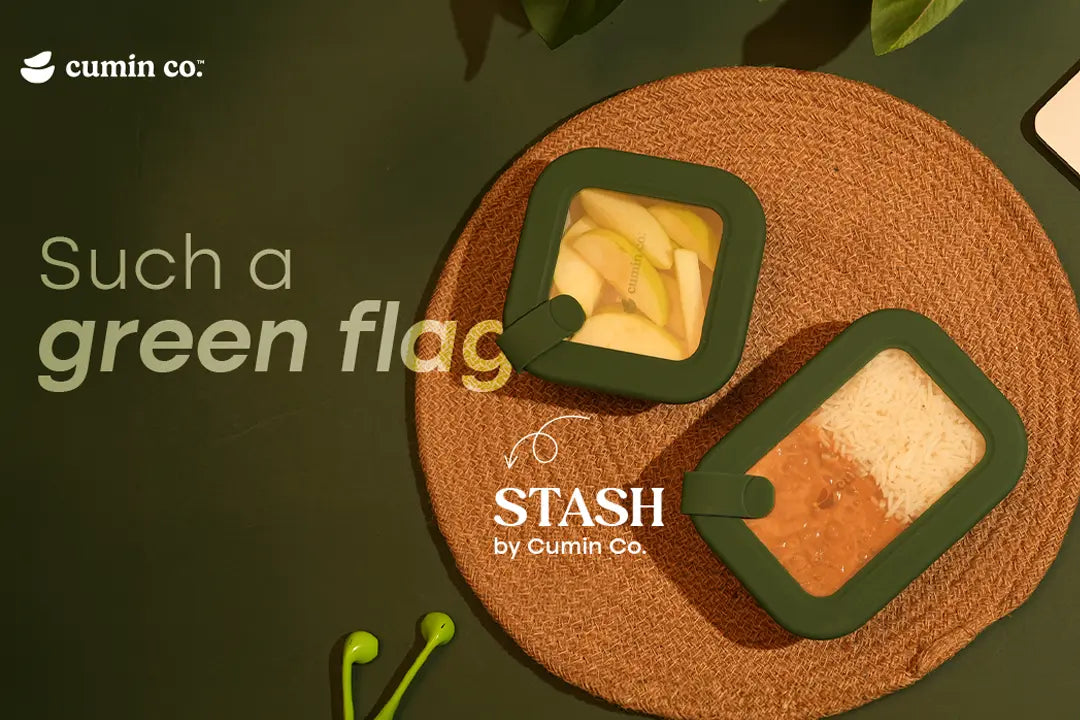
Storage is the other half of this. Food stored in wrong meal prep containers can go stale fast. Airtight glass containers fix most of that as they go from fridge to microwave with no issue, no staining or odor, helping food stay fresh longer.
What Containers Should You Use for Meal Prep?
Go with stackable, leak-resistant meal prep glass containers that can move from the fridge or freezer straight into the microwave.
Material matters more than you would think. High borosilicate glass handles temperature swings without cracking, and a BPA-free, food-grade lid creates a proper seal for less spillage and easier storage, even when you’re on the move.
Stack a few different sizes instead of relying on one big container. It keeps the fridge organized and makes portioning mains, sides, snacks, and prepped ingredients much simpler.
Why Glass Containers Are Better Than Plastic for Meal Prep
Glass wins because it reheats safely, doesn't stain or hold onto smells, and survives daily use better than plastic does.
Plastic absorbs the color of curries and tomato-based gravies over time. Glass containers for meal prep are stain & odor resistant and also handle heat changes better, so moving between the fridge, freezer, and microwave isn't a problem. Pair it with a BPA-free, food-grade lid and you've got something that lasts while also keeping your food safe.
How to Portion With Different Container Sizes
Use small containers for snacks and sides, bigger ones for full meals — that's the whole system.
Small containers work for nuts, fruit, chutneys, dips and dressings. Medium ones hold dal, cooked vegetables, sabzis and leftovers. Large ones are best for full meals like rice, curries, salads, all in one place.
When everything has its own size, portion control becomes easier than ever and the fridge stays easier to manage.
How Long Does Meal Prep Last? (Fridge vs Freezer)
Most prepped meals last 3–4 days in the fridge and 2–3 months in the freezer if they're sealed properly. If you won't eat something for a few days, freeze it.
|
Storage |
Best For |
|
Fridge |
Meals you'll eat within the next 3–4 days |
|
Freezer |
Meals you're saving for later in the month |
The duration shifts depending on the ingredients and how the food was made, so label containers with dates and use the oldest ones first.
Sources: USDA FSIS, Mayo Clinic
How to Store Meal Prep So It Stays Fresh
Let food cool slightly before sealing it. Sealing it hot traps moisture inside, and that affects its quality over time.
Get food into the fridge within two hours of cooking. If you're freezing it, leave a little room at the top of the container so it has space to expand.
Group similar ingredients together — grains with grains, proteins with proteins, sauces with sauces. This makes it easier to mix meals through the week without and confusion.
How to Reheat Meal-Prepped Food
Using containers with vented lids is the key to reheating well. Add some water to rice, grains, or gravies first to help keep the moisture in.
The vent lets steam escape while reheating, so food warms more evenly and pressure doesn't build up inside the container. The water helps bring back texture that would otherwise dry out.
A Simple One-Hour Indian Meal Prep Plan
A one-hour meal prep session can set you up for an entire week. Cover the basics first, then portion everything into stackable glass containers.
In that hour, you can usually:
-
Cook a batch of rice or any other grain
-
Prepare a pot of dal
-
Chop vegetables for stir-fries or sabzis
-
Make one or two curry/sabzi bases
-
Marinate paneer, chicken or any other source of protein
-
Wash and portion fruit or snacks
Let everything cool, then store into separate containers of appropriate sizes. This makes mixing and matching later on, effortless.
Conclusion
Meal prep doesn't need to be complicated to work. The right containers, an hour of prep, and a little planning at the start of the week is all it takes.
FAQs
How long does meal prep last in the fridge?
3–4 days, if it's stored in airtight containers. Beyond that, freeze it and label the date.
Should you store meal prep in the fridge or freezer?
Fridge if you'll eat it within 3–4 days — freezer for anything further out.
What are the best containers for meal prep?
Stackable glass containers with airtight, vented lids — they reheat well, resist stains and odors, and hold up to daily use.
Can you freeze meal prep in glass containers?
Yes — high borosilicate glass is freezer-safe, just leave space at the top for the food to expand.
How do you reheat meal prep without drying it out?
Keep the vent open and add a splash of water to rice, grains, or gravies before reheating.