



Appam, or palappam as it’s often called, is one of those dishes that looks far more complicated than it really is. The first time you see it, that bowl shape and those lace-like edges can feel intimidating.
But once you understand the basics, it’s actually a very forgiving dish.
At its core, it’s just rice, coconut, and time doing their thing. What makes the difference is how you handle the batter, and how you cook it.
What is Appam? (Kerala’s Famous Appam Dish)
If you’ve never made it before, appam is essentially a fermented rice pancake, cooked in a curved pan so it naturally forms a thicker center and thin edges.
Where Appam Comes From (And Why Kerala Loves It)
It comes from Kerala, where rice and coconut are part of everyday cooking. You’ll find appam in homes, small eateries, and breakfast tables across the state. It’s one of those dishes that doesn’t try too hard, but just works.
What Makes a Good Appam So Hard to Resist
It really comes down to texture.
The center should be soft and slightly spongy. The edges should be thin, almost lacy, with a light crispness. When both come together, you know you’ve done it right.
Appam Ingredients (Traditional Kerala Style)
There’s nothing complicated here, and that’s the beauty of it.
What Goes Into a Classic Appam Batter
You’ll need:
-
Raw rice
-
Coconut or coconut milk
-
A little cooked rice (optional, but helpful)
-
Yeast (optional)
-
Sugar and salt
Choosing the Right Rice for the Perfect Texture
Raw rice gives you that classic taste. Idli rice makes things softer. If you’ve made appam a few times, you’ll probably settle into what works for you.
Coconut or Coconut Milk—What Should You Use?
Both work. Coconut milk gives you a smoother batter and slightly richer taste. Grated coconut gives a more traditional feel. It’s really a preference thing.
Appam Batter Recipe (Step-by-Step Guide)
If something goes wrong with an Appam recipe, it’s usually here. A perfect batter already takes you half-way through to perfect appams.
Starting Right: Soaking and Grinding the Batter
Soak your rice for a few hours and grind it with coconut or coconut milk. Add a bit of cooked rice if you want a softer center.
Getting the Batter Consistency Just Right
The batter shouldn’t be too thick, and definitely not watery.
When you pour it, it should spread easily but still hold in the center.
A rough ratio that works well:
2 cups rice, ½ cup coconut, a little cooked rice.
The Fermentation Step That Changes Everything
This is where patience matters.
If you’re using yeast, it’ll be ready in a few hours. Without yeast, just leave it overnight. By morning, it should look slightly airy and have a mild sourness.
How to Make Appam at Home (Step-by-Step Cooking Process)
Once your batter is ready, the rest is fairly quick.
-
Heat the appam pan
-
Pour batter in the center
-
Swirl once, quickly
-
Cover and let it cook
-
Take it out when the edges look done
The first couple might not be perfect but that’s okay.
Using an Appam Pan the Right Way
The shape of the pan does most of the work for you. A slight swirl is enough. Don’t keep moving it around too much.
How to Get That Soft Center and Lacy Edge Every Time
A few things that help:
-
Batter that’s fermented properly
-
Not overloading the pan
-
Keeping the heat steady
-
Always covering while cooking
You’ll get a feel for it after 2–3 tries.
A Few Mistakes That Can Ruin Your Appam
-
If the batter is too thick, edges won’t form
-
Under-fermented batter will lead to dense center
-
Too much heat will lead to uneven cooking
Kerala Appam Recipe Variations You Must Try
The Classic Way to Enjoy Appam With Coconut Milk
This is probably the simplest way to eat it. Slightly sweet coconut milk poured over a warm appam. Nothing else needed.
Short on Time? Try This Instant Version
You can make a quicker version using rice flour and skipping fermentation. It won’t be exactly the same, but it works when you’re short on time.
The Traditional Palappam, Just Like in Kerala Homes
The slower version, with natural fermentation, always has more depth. If you have the time, it’s worth doing it this way.
Best Side Dishes to Serve with Appam
The Classic Pairing: Appam and Vegetable Stew
A mild coconut-based stew is probably the most common pairing. It balances the texture really well.
For a Sweeter Mood: Coconut Milk and Jaggery
Simple, familiar, and honestly underrated.
If You Prefer Something Heartier
Egg curry, chicken curry, even fish. Appam works with all of them.
Appam Calories & Nutritional Value
Appam is fairly light compared to most breakfasts.
Low oil, naturally gluten-free, and easy to digest.
Of course, what you pair it with changes everything.
FAQs on Appam Recipe
Why is my appam batter not fermenting?
Usually due to colder temperatures. Keep it somewhere slightly warm.
How to fix watery appam batter?
Let it rest longer or add a little rice flour.
Can I make appam without yeast?
Yes. The batter will just need to rest overnight.
How long can appam batter be stored?
2–3 days in the fridge works fine.
Which rice is best for appam?
Raw rice or idli rice are both reliable.
Which Appachetty do you suggest for perfect cooking?
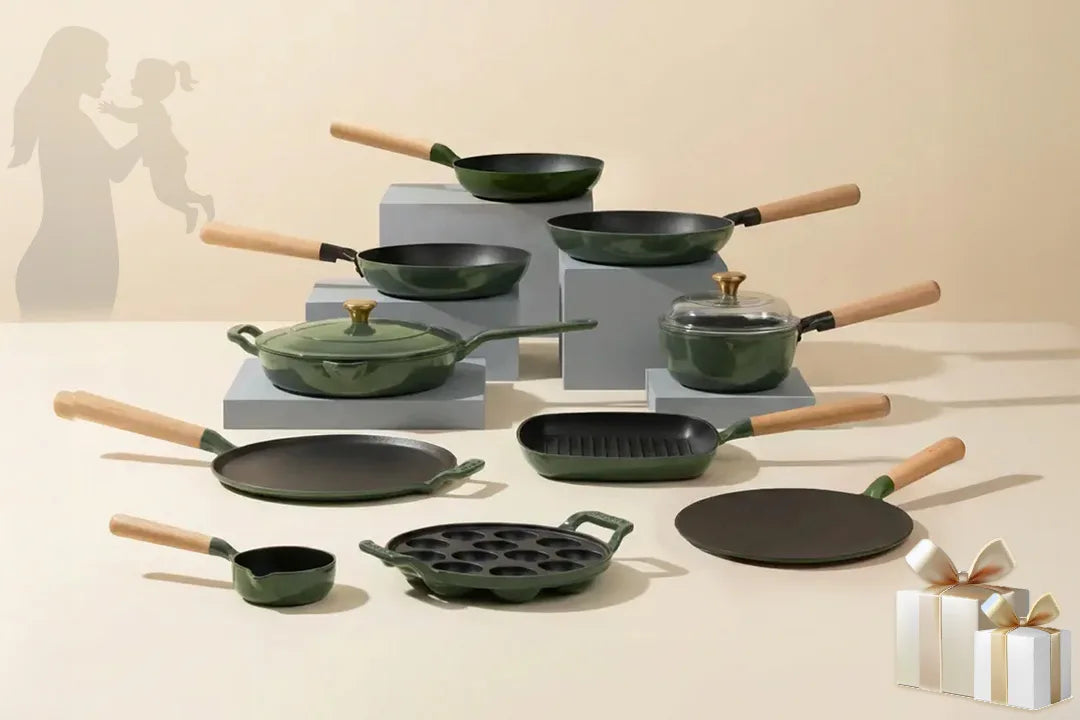
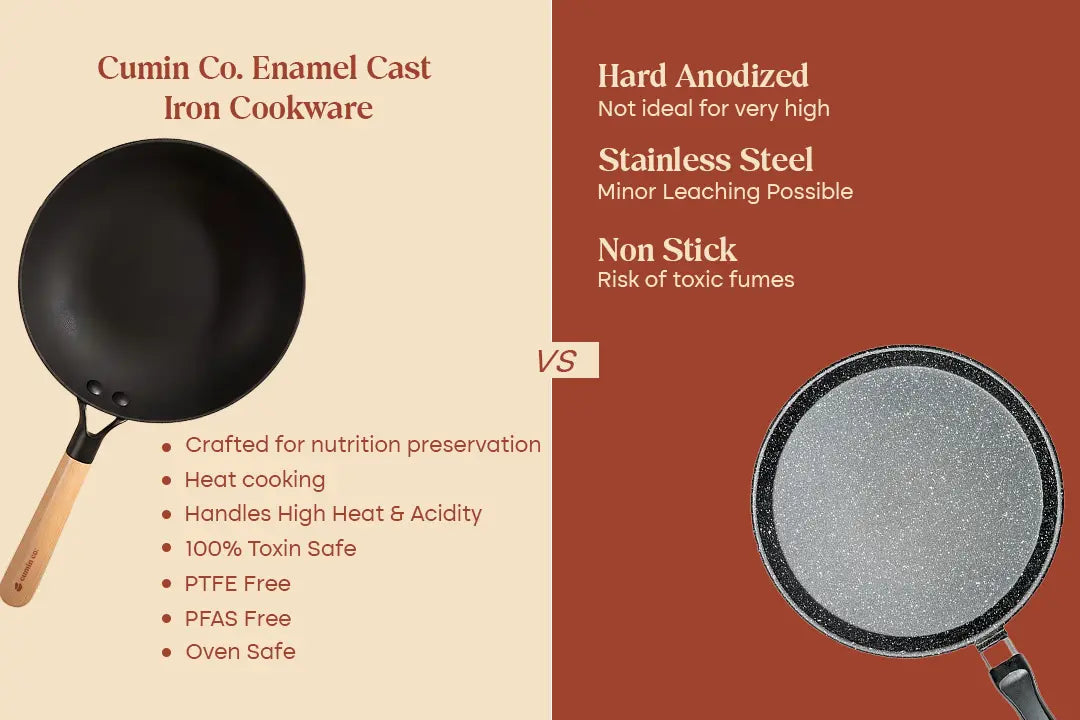
Anything with a bit of weight to it works better because it holds heat evenly. Cast iron appam patra is great for that. If you don’t want the maintenance that comes with it, something like an enamel-coated pan, like the Cumin Co. appam pan, gives you a similar result without needing seasoning every time.